The Hawkish Shadow of a Shifting Fed: Warsh's Influence
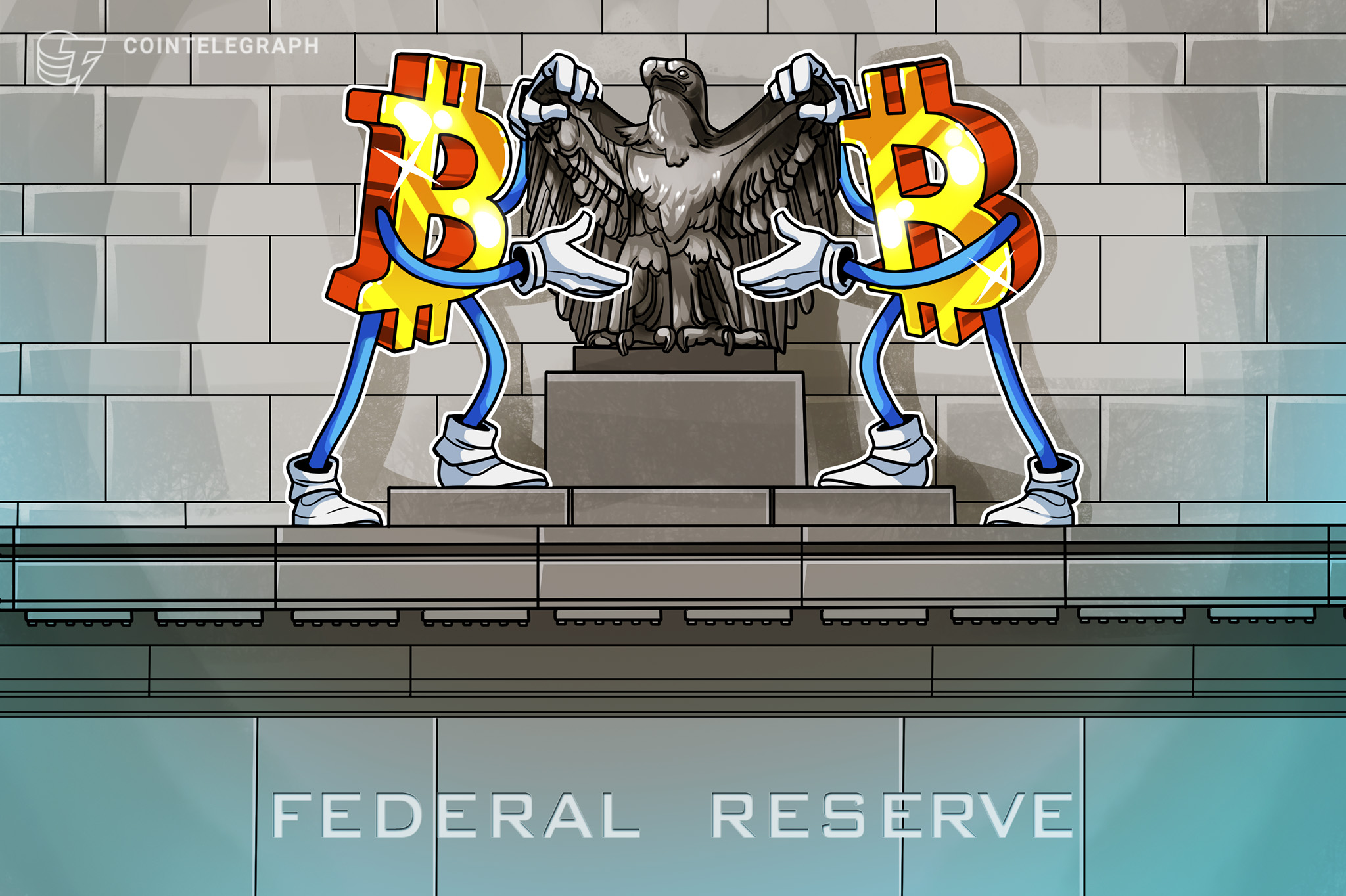
Kevin Warsh, a figure often discussed in relation to the Federal Reserve's future policy direction, recently delivered remarks interpreted by many as a clear signal of an impending hawkish pivot. While the exact context of "Warsh FOMC" isn't fully detailed, the implication of a "new direction" from the Fed almost invariably points towards tighter monetary policy – a move away from quantitative easing, potential interest rate hikes, or a more aggressive stance on inflation control. For the crypto market, this narrative is a significant headwind.
Cryptocurrencies have flourished in an era of abundant liquidity and accommodative monetary policy. When the cost of capital is low, speculative assets with high growth potential tend to perform well. Conversely, a hawkish Fed means higher borrowing costs, a stronger dollar, and a general tightening of financial conditions. This environment reduces the appetite for risk, as traditional assets become more attractive. Investors may de-risk portfolios, pulling capital from speculative ventures like crypto to seek safer havens. The narrative of Bitcoin as a "digital gold" often clashes with its observed correlation to risk assets when faced with real-world liquidity crunches. A Fed determined to rein in inflation implies less easy money flowing into the crypto ecosystem, potentially stifling parabolic growth and demanding a recalibration of valuations.
Geopolitical Crosscurrents: Trump's Iran Comments
Adding another layer of complexity to an already fragile market sentiment were President Trump's "mixed comments" regarding the Iran peace deal. Geopolitical stability is a cornerstone of global economic confidence, and any ambiguity or perceived escalation in international relations invariably triggers market jitters. The source context indicates that these comments led to a general "wobble" in markets, suggesting a broad risk-off reaction.
Historically, significant geopolitical events can elicit diverse reactions from the crypto market. While Bitcoin is sometimes touted as a hedge against state-sponsored instability, in broader contexts of global uncertainty, cryptocurrencies often behave as high-beta assets. Trump's comments, by injecting uncertainty into the delicate balance of international diplomacy surrounding Iran, likely fostered an environment of caution. Such events can trigger capital outflows from riskier assets globally, as investors prioritize capital preservation over speculative gains. The mixed nature of the comments likely exacerbated the uncertainty, preventing a clear market direction and instead promoting volatility.
Crypto's Vulnerability and Evolving Correlations
The combined effect of these macro and geopolitical pressures highlights a persistent challenge for the crypto market: its growing susceptibility to external shocks. While proponents argue for crypto's fundamental independence, recent cycles have demonstrated a strong correlation with traditional risk assets, particularly high-growth tech stocks. This correlation suggests that as institutional adoption grows, crypto markets are increasingly integrated into the broader financial system, making them less impervious to conventional market forces.
During periods of market uncertainty, liquidity often dries up, and trading volumes can become erratic. This typically leads to sharp price corrections and increased volatility, a scenario observed in the wake of the Warsh and Trump comments. The immediate market response saw a dip in major cryptocurrencies, underscoring the delicate balance of current market valuation. Retail investors, often reacting emotionally, may exacerbate sell-offs, while institutions might re-evaluate their exposure. The "thin ice" mentioned in the source aptly describes the current sentiment, where any unexpected tremor can lead to significant price erosion.
Navigating the Shifting Sands: An Analyst's Outlook
For crypto investors, the current environment demands heightened vigilance and a nuanced understanding of both macroeconomics and geopolitics. The Federal Reserve's stance on inflation and its monetary policy trajectory will likely remain the most dominant factor influencing asset prices. Any definitive shift towards tighter policy will necessitate a re-evaluation of risk-adjusted returns across all asset classes, including digital ones. Similarly, the geopolitical chessboard, especially involving key global players, will continue to contribute to market sentiment.
While the long-term fundamentals of blockchain technology remain compelling, short-to-medium term price action will largely be dictated by these external forces. Investors should consider adopting a diversified approach, understanding that not all cryptocurrencies react identically to these pressures. Robust risk management strategies, including setting clear entry and exit points, are paramount. Furthermore, cultivating a long-term perspective, focusing on underlying technological advancements, rather than succumbing to short-term market noise, may be the most prudent path during such volatile times. The crypto market is maturing, but its journey continues to be shaped by the very forces it once sought to escape.
Conclusion
In conclusion, the crypto market's recent "wobble" following Warsh's signals from the Fed and Trump's comments on Iran serves as a potent reminder of its interconnectedness with global events. The days of pure decoupling seem increasingly distant. As a senior crypto analyst, my assessment is that market participants must now navigate a landscape where monetary policy and geopolitical developments cast long shadows over digital asset valuations. Prudence, informed decision-making, and a deep understanding of macro trends are essential for thriving in this evolving ecosystem.