The Looming Legislative Battle for US Crypto
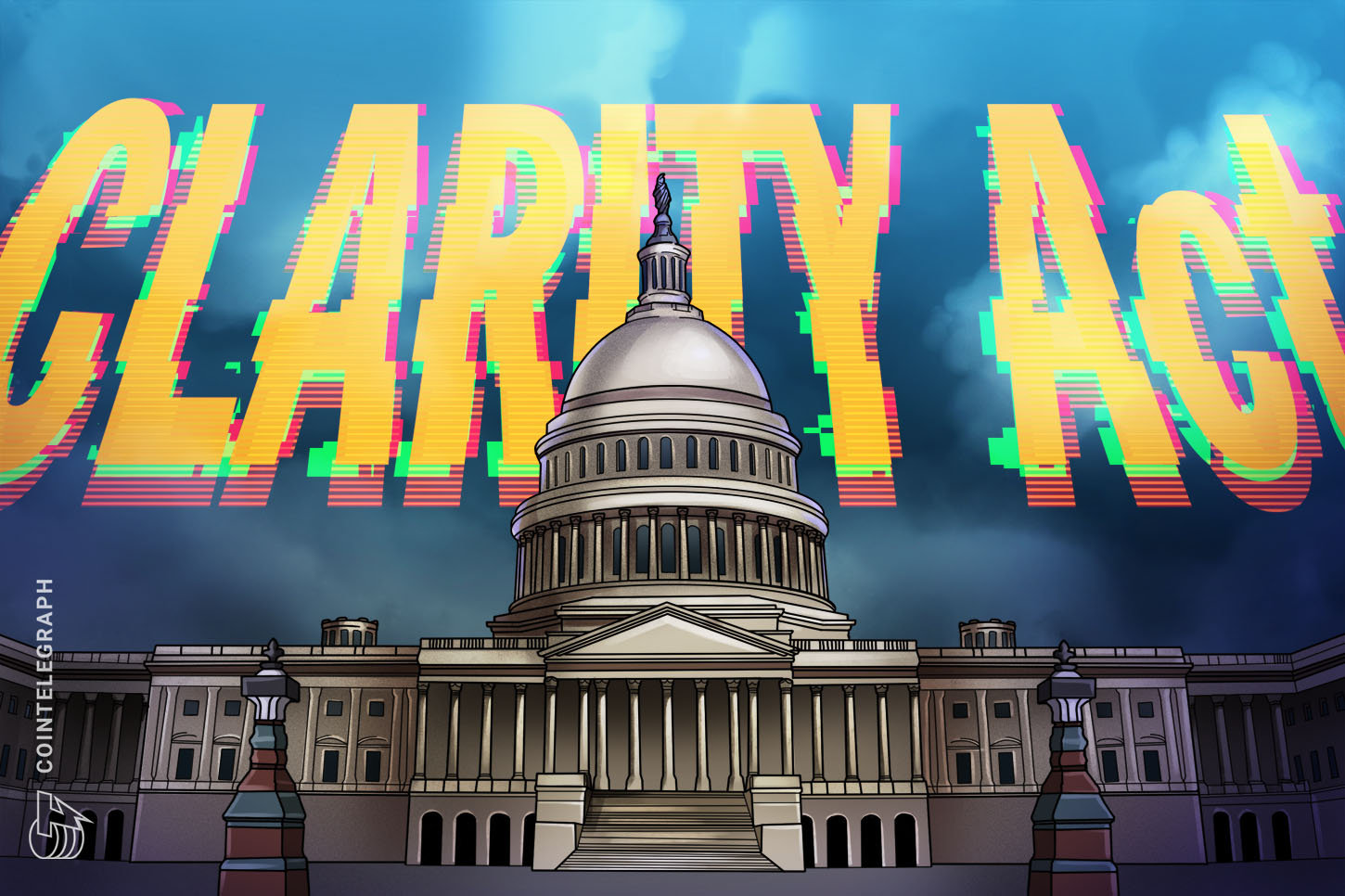
The US crypto industry finds itself at a pivotal juncture as a critical piece of legislation, the CLARITY Act, approaches a Senate vote with significant headwinds. Senate Majority Leader John Thune has indicated that the chamber will consider the crypto market structure bill before August 10. However, the path to passage is far from clear, particularly in light of reports that three US senators are opposing the bill on 'ethics grounds,' raising questions about its integrity and the broader implications for digital asset regulation in the United States.
As a Senior Crypto Analyst, my assessment is that this development is not merely a procedural hiccup but a profound challenge to the industry's quest for regulatory certainty. The 'ethics grounds' opposition suggests a deeper level of scrutiny and potential distrust that could delay or even derail efforts to establish a comprehensive framework for digital assets, an outcome with significant ramifications for innovation, investment, and market stability.
Understanding the CLARITY Act: A Bid for Regulatory Structure
While the full text and specifics of the CLARITY Act remain under wraps for public consumption at this early stage, its designation as a 'crypto market structure bill' suggests a broad ambition. In the absence of clear legislative definitions, the digital asset landscape has been characterized by a regulatory vacuum, leading to turf wars between the SEC and CFTC and a patchwork of state-level initiatives. The CLARITY Act is widely anticipated to provide much-needed jurisdictional clarity, potentially delineating the roles of existing agencies or establishing new bodies to oversee various facets of the crypto market, from spot trading and derivatives to stablecoins and NFTs.
Such a framework is crucial for institutional adoption and long-term market maturation. A well-defined regulatory environment would reduce legal uncertainty for businesses, foster greater investor protection through standardized disclosures and oversight, and potentially unlock significant capital inflows from traditional finance. It's an attempt to transition crypto from the 'Wild West' narrative to a recognized and integrated component of the financial system, allowing US firms to compete globally.
The Ethical Quandary: Unpacking Senatorial Opposition
The opposition from three senators on 'ethics grounds' introduces a potent and often politically charged element into the debate. While specific concerns have not been publicly detailed, typical ethics criticisms in legislative processes often revolve around several key areas:
- Conflicts of Interest: Concerns may arise if lawmakers, their families, or senior staff hold substantial investments in cryptocurrency or have financial ties to entities that would significantly benefit or be disadvantaged by the bill's provisions.
- Lobbying Influence: The crypto industry has rapidly expanded its lobbying efforts in Washington. Critics might argue that the bill's drafting or specific provisions have been unduly influenced by industry players, prioritizing their interests over broader public welfare or consumer protection.
- Regulatory Capture: There could be apprehension that the proposed framework, rather than providing robust oversight, might be susceptible to 'regulatory capture,' where the regulated industry effectively dictates the terms of its own regulation.
- Transparency and Public Input: Ethical concerns can also stem from a perceived lack of transparency in the bill's development process or insufficient opportunities for public and expert input, leading to suspicions about hidden agendas or rushed legislation.
- Consumer Protection Gaps: Some senators might argue that despite its intentions, the bill may not adequately protect consumers from fraud, market manipulation, or the inherent risks of volatile digital assets, viewing it as prematurely legitimizing a still-evolving asset class without sufficient safeguards.
These 'ethics grounds' are not to be dismissed lightly. They can galvanize public opinion, sway undecided legislators, and create a narrative that paints the bill as potentially serving private interests rather than the public good, regardless of its underlying merits for market structure.
Political Dynamics and the August 10 Deadline
The impending August 10 deadline for a vote adds a layer of urgency and political maneuvering. Majority Leader Thune's announcement signals a serious intent to bring this legislation to the floor, but the caveat about 'unclear whether it has enough Democratic support to pass' is crucial. Significant market structure bills typically require bipartisan consensus to succeed in the Senate, especially in a politically divided Congress.
The ethics concerns, therefore, could serve as a convenient rallying point for Democrats who may already harbor reservations about the bill's scope, its impact on existing regulatory bodies, or its perceived leniency towards a nascent, high-risk industry. If the CLARITY Act fails to garner sufficient Democratic votes, it faces an uphill battle, potentially leading to its tabling, significant amendments, or even outright failure. This would prolong the regulatory uncertainty that has plagued the US crypto market, potentially driving innovation and investment offshore.
Implications for the Crypto Market and Beyond
For investors, innovators, and market participants, the fate of the CLARITY Act holds immense weight. A successful passage, even with amendments, would signal a maturation of the US approach to crypto, potentially leading to increased institutional engagement and a clearer path for product development and listing. Conversely, its failure would re-entrench the current regulatory ambiguity, leaving the SEC and CFTC to continue their often-conflicting enforcement-by-litigation approach.
This uncertainty could deter both domestic and international crypto businesses from establishing or expanding operations in the US. It could also lead to continued market volatility driven by regulatory FUD (fear, uncertainty, and doubt) and a fragmented regulatory landscape that makes compliance a nightmare. The 'ethics grounds' opposition, regardless of its specific merits, will cast a long shadow, forcing the industry to not only advocate for clear rules but also to demonstrate unequivocally its commitment to transparency and ethical conduct.
Conclusion: A Defining Moment for US Digital Asset Policy
The CLARITY Act stands as a litmus test for America's readiness to embrace and responsibly regulate the digital asset revolution. The reported ethical opposition by three senators elevates the debate beyond mere policy differences to fundamental questions of integrity and public trust. As the August 10 deadline approaches, the crypto community must keenly observe not just the legislative process, but also the underlying narratives being shaped in Washington. The outcome of this vote will not only define the future regulatory landscape for cryptocurrencies but also send a powerful message about the US's commitment to fostering innovation within a framework of accountability and ethical governance.