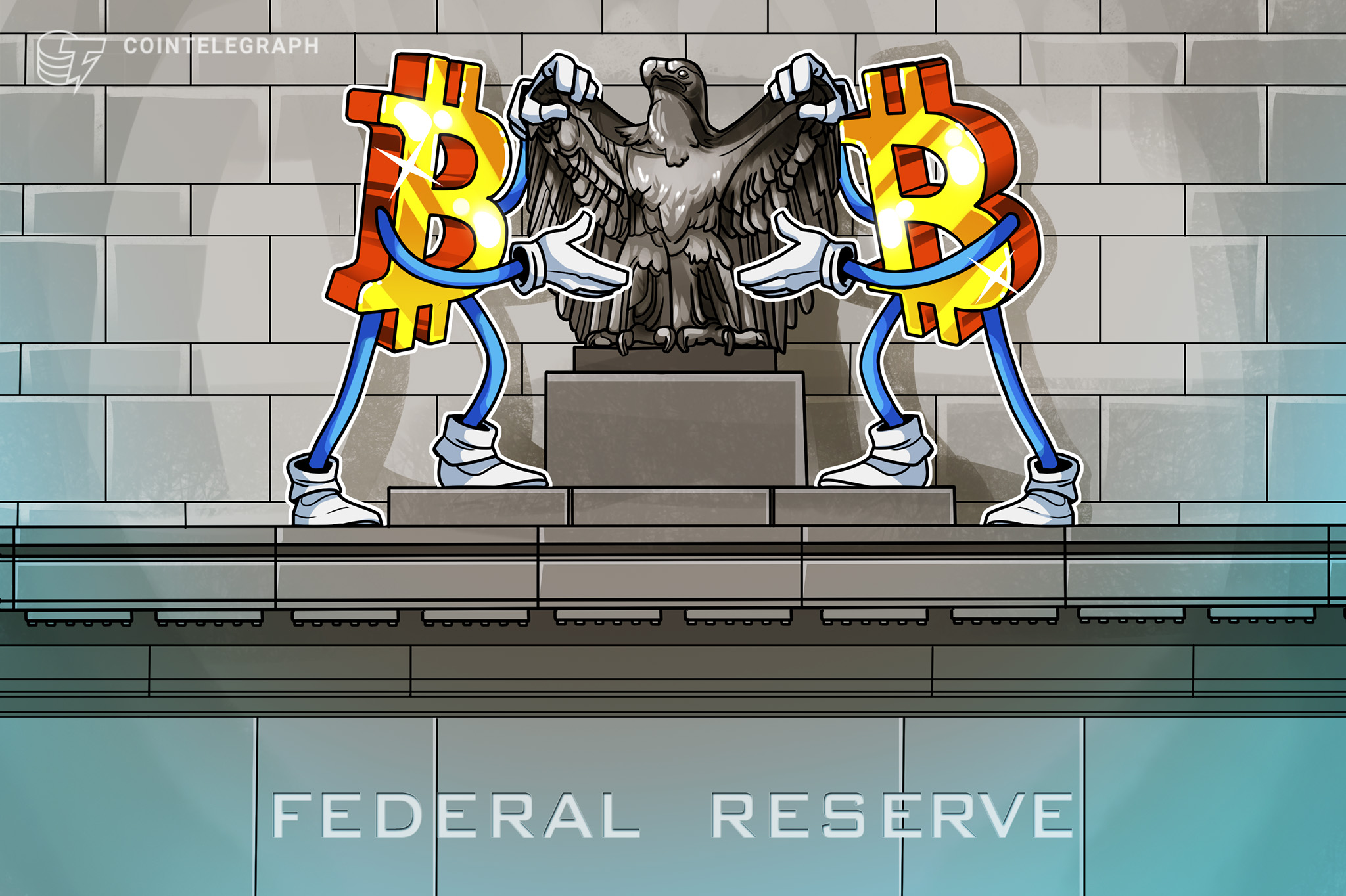
Crypto Markets Face Double Whammy: Warsh's Fed Hints & Trump's Iran Stance Fuel Uncertainty
The cryptocurrency market, often characterized by its inherent volatility, finds itself treading on increasingly thin ice. Recent developments from two seemingly disparate spheres—the United States Federal Reserve and global geopolitics—have converged to cast a palpable shadow over digital asset valuations. A combination of influential Fed figure Kevin Warsh signaling a potential shift in monetary policy and President Trump's characteristically mixed comments on the Iran peace deal has sent ripples of uncertainty across all financial markets, with crypto feeling a particularly acute pinch.
The Fed's Shifting Sands: Kevin Warsh and the Specter of Tighter Monetary Policy
The murmurs emanating from the Federal Reserve are arguably the more significant long-term driver of market sentiment. Kevin Warsh, a former Fed Governor and an influential voice often considered for leadership roles within the central bank, has reportedly signaled a 'new direction' for the Federal Reserve. While specifics are often nuanced, such signals from a figure of Warsh's stature typically imply a potential pivot towards a more hawkish stance. This could manifest in several ways: a more aggressive approach to interest rate hikes, accelerated tapering of asset purchases, or a sharper reduction of the Fed's balance sheet.
For risk assets like cryptocurrencies, the implications are profound. A tighter monetary policy environment generally translates to reduced liquidity in the financial system. When central banks withdraw stimulus, the cost of capital rises, and investors tend to re-evaluate their exposure to riskier, more speculative assets. Higher interest rates make traditional, less volatile investments (like government bonds) more attractive, drawing capital away from innovative but unproven sectors like crypto. Furthermore, a stronger U.S. dollar, often a consequence of hawkish Fed policy, can exert downward pressure on dollar-denominated assets globally, including cryptocurrencies.
The crypto market, having thrived in an era of abundant liquidity and low interest rates, is particularly sensitive to such shifts. The 'easy money' policies post-2008 and during the COVID-19 pandemic fueled significant capital inflows into digital assets. A reversal of this trend, even a hinted one, forces a fundamental repricing of risk and a re-evaluation of valuation models that often rely on future growth prospects heavily discounted by interest rates.
Trump's Iran Comments: Geopolitical Volatility and Its Ripple Effect
Compounding the macroeconomic headwinds are President Trump's recent comments regarding the Iran peace deal. Known for his unpredictable and often confrontational foreign policy rhetoric, Trump's 'mixed comments' likely introduced a fresh wave of geopolitical uncertainty. Whether threatening to withdraw from the deal, imposing new sanctions, or simply expressing dissatisfaction, such statements tend to heighten tensions in an already volatile region. Geopolitical instability, particularly involving major oil-producing nations, has immediate repercussions for global markets.
Historically, in times of geopolitical unrest, investors often flock to traditional safe-haven assets such such as gold, the Japanese Yen, or U.S. Treasury bonds. The impact on cryptocurrencies, however, is more complex and often multifaceted. On one hand, Bitcoin has, at times, been championed as 'digital gold'—a decentralized, censorship-resistant asset that could serve as a hedge against state-sponsored instability or currency debasement. This narrative suggests that increased geopolitical risk might theoretically drive some adoption towards Bitcoin.
On the other hand, widespread fear and uncertainty can trigger a broad 'risk-off' sell-off across *all* asset classes, including crypto. When faced with significant global instability, many investors prioritize liquidity and deleveraging, leading to a flight from even perceived safe-haven assets in the short term. The crypto market, still relatively nascent compared to traditional finance, remains highly susceptible to such broad-market sentiment shifts. The 'wobble' observed in markets suggests that the latter reaction—a general de-risking—is currently prevailing.
The Intersection: A Perfect Storm for Crypto?
The confluence of these two powerful forces—tighter monetary policy signals from the Fed and escalating geopolitical tensions—creates a challenging environment for the cryptocurrency market. Warsh's comments underscore a potential shift away from an era of easy money, directly impacting the availability and cost of capital for speculative assets. Simultaneously, Trump's stance on Iran injects an additional layer of unpredictability, prompting investors to seek safety or simply reduce exposure to risk across the board.
For crypto, this dual pressure tests its resilience and its dual narrative. Is it a risk-on growth asset, akin to tech stocks, that thrives on liquidity and growth optimism? Or is it a safe-haven, a decentralized hedge against traditional financial and geopolitical instability? The current market reaction suggests a struggle between these two identities, with immediate sensitivity to macro factors often outweighing the long-term safe-haven thesis during periods of acute uncertainty.
Navigating the Choppy Waters Ahead
As a senior crypto analyst, my advice to investors is clear: prudent risk management is paramount in such an environment. The coming months will likely see continued volatility as markets digest the implications of potential Fed policy shifts and monitor the evolving geopolitical landscape. Key indicators to watch include official Fed communications, inflation data, and developments in international relations.
While the long-term thesis for decentralized digital assets remains robust, short-to-medium term price action will likely be heavily influenced by these powerful external forces. Investors should prepare for potential further drawdowns and consider strategies that account for both macroeconomic headwinds and geopolitical uncertainties. The crypto market is maturing, but its journey remains inextricably linked to the broader global economic and political currents.