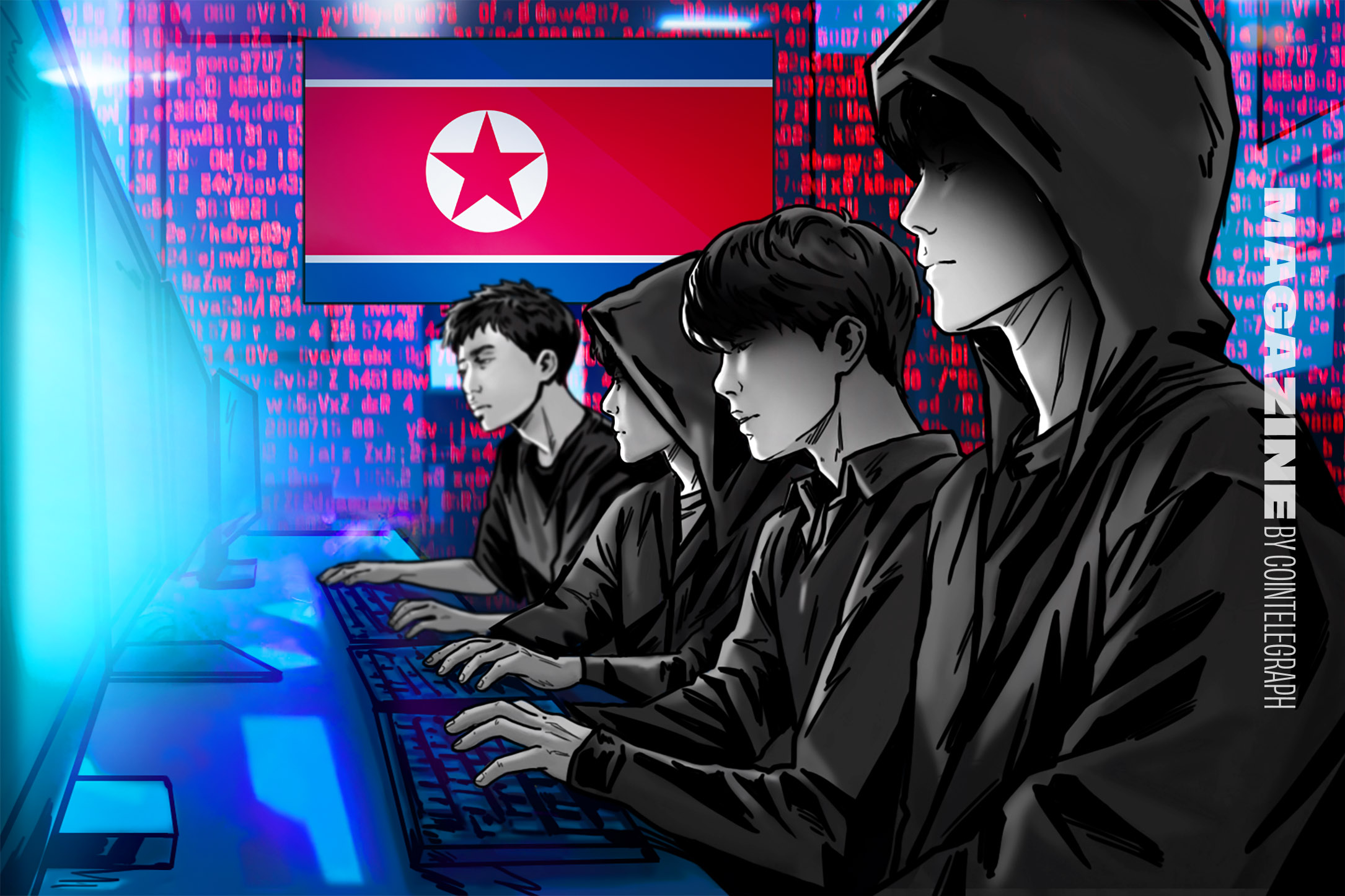
A New Frontier in Digital Espionage: The Crypto Startup as a Spy Tool
In an industry often celebrated for its innovation, decentralization, and the promise of financial freedom, a chilling counter-narrative has emerged, exposing a sophisticated intelligence operation disguised as a cutting-edge crypto startup. This isn't a typical story of hacks or scams but a meticulously crafted honeytrap designed to ensnare and track suspected North Korean IT workers. The revelation sends ripples not only through the cybersecurity community but also raises profound questions about geopolitical espionage, the vulnerabilities inherent in remote work, and the often-unseen layers of digital conflict.
Reports indicate that a seemingly legitimate blockchain venture lured these individuals, offering them roles within its ranks. Unbeknownst to them, every keystroke, project contribution, and digital footprint was being meticulously monitored, transforming what appeared to be a lucrative job opportunity into an unprecedented intelligence-gathering exercise. As a Senior Crypto Analyst, the implications of such an operation extend far beyond mere curiosity, touching upon the very fabric of trust, security, and global compliance within the digital asset ecosystem.
The Modus Operandi: A Sophisticated Lure in the Web3 Landscape
The brilliance of this operation lay in its simplicity and its deep understanding of the global tech landscape, particularly within the nascent Web3 sphere. The fake startup likely mimicked a typical, dynamic blockchain firm – perhaps focusing on emerging DeFi protocols, NFT marketplaces, or decentralized infrastructure – areas known for rapid innovation and a constant demand for specialized technical talent. These positions, often remote and advertised across various global job platforms, would have appealed directly to North Korean IT workers looking to leverage their skills in an international market, often to circumvent stringent sanctions and generate foreign currency for their regime.
It’s probable that the 'company' employed standard remote work tools – project management software, communication platforms, and version control systems – all meticulously instrumented to log user activity. This wouldn't have raised immediate suspicions, as these are common practices in agile tech environments. The goal wasn't merely to identify the individuals but to build comprehensive profiles: understanding their technical capabilities, preferred development stacks, work hours (which could hint at their time zones and therefore physical locations), communication patterns, and potentially even their networks. This granular data offers an invaluable window into the operational methods and resources available to North Korea’s state-sponsored cyber apparatus.
Why Crypto? The Irresistible Appeal and Cover for Espionage
The choice of a crypto startup as the vehicle for this intelligence operation is far from accidental. For North Korean IT workers, the sector represents several strategic advantages. Firstly, it offers potentially high-paying remote roles, a critical lifeline for individuals and a nation under stringent international sanctions. Secondly, the decentralized and often pseudonymous nature of crypto transactions might have offered a perceived layer of security or deniability for those attempting to bypass financial regulations. The industry's rapid growth and constant need for skilled developers also create numerous legitimate-looking entry points, making it easier to blend in.
From the perspective of the intelligence agencies behind the operation, crypto’s global, borderless, and often remote-first hiring environment provides ideal cover. It allows for engagement with individuals who might otherwise be difficult to access through traditional channels, without triggering immediate governmental alerts. Furthermore, the technical skills required in crypto — cryptography, smart contract development, network architecture — align perfectly with the expertise often cultivated by state-sponsored actors, making the 'job' a believable front for highly capable individuals.
The Intelligence Goldmine: Unmasking North Korea's Cyber Capabilities
The data extracted from these unwitting participants would be nothing short of an intelligence goldmine. Beyond mere identification, the tracking likely yielded deep insights into North Korea’s cyber capabilities. Imagine understanding the exact programming languages favored by their top developers, the specific vulnerabilities they're trained to exploit, or the unique coding patterns that could link them to previous state-sponsored attacks. This operational intelligence could be crucial for attribution efforts, improving defensive strategies, and potentially even disrupting future cyber campaigns emanating from the Democratic People's Republic of Korea (DPRK).
Furthermore, observing their project management styles, collaboration tools, and even personal communication habits could expose weaknesses in their operational security. Any financial transactions associated with their 'salaries' within the fake firm could also shed light on money laundering routes or financial networks used by the regime to funnel funds abroad, thus assisting global anti-money laundering (AML) and counter-terrorist financing (CTF) efforts. The ability to monitor real-time work patterns provides an unprecedented understanding of North Korea's cyber workforce, their tools, and their tactical execution.
Implications for the Crypto Industry: Trust, Security, and Compliance
This incident casts a long shadow over the crypto industry's image, albeit in a complex manner. While the crypto sector wasn't the perpetrator, it was the stage, highlighting how its unique characteristics can be weaponized. It underscores the critical need for enhanced Know Your Customer (KYC) and Anti-Money Laundering (AML) protocols, not just for financial transactions but also in the vetting of remote global teams. For legitimate crypto projects, the incident serves as a stark reminder of the sophisticated threats lurking in the digital shadows and the imperative to bolster internal security measures against potential espionage and insider threats.
The ease with which a fake entity could operate, recruit, and track individuals for an extended period should prompt a re-evaluation of current hiring practices, especially for roles that touch sensitive intellectual property or core infrastructure. The 'trustless' nature of blockchain should not be confused with a 'trust-no-one-in-your-team' approach, but rather an imperative to verify extensively. Companies must invest in robust background checks, identity verification technologies, and continuous monitoring, particularly when engaging with talent from high-risk geopolitical areas.
Geopolitical Ramifications: Escalating Digital Warfare
At its core, this operation is a testament to the escalating digital warfare between nation-states. It demonstrates the creative and persistent efforts by intelligence agencies to counter threats like North Korea's prolific cyber activities, which range from multi-million dollar crypto heists to sophisticated malware attacks targeting critical infrastructure. This isn't merely about catching a few individuals; it's about systematically dismantling the infrastructure and human capital that underpins a state-sponsored cyber threat. The implications stretch far beyond the digital realm, impacting international relations, sanctions enforcement, and global security frameworks.
The incident highlights the ingenuity of intelligence agencies in leveraging the very technologies that state adversaries attempt to exploit for their own nefarious purposes. It represents a significant strategic win in the ongoing cat-and-mouse game of cyber espionage, providing invaluable insights into a notoriously opaque and aggressive cyber power.
Conclusion: Vigilance in a Blurred Digital Landscape
The fake crypto startup that tracked North Korean IT workers is a compelling, if disturbing, case study in modern espionage. It meticulously blends cutting-edge technology, geopolitical strategy, and human psychology to achieve high-stakes intelligence objectives. For the crypto world, it’s a sobering reminder that innovation, while powerful, is not immune to exploitation by state actors seeking to exploit its inherent openness. As the digital frontier continues to expand, the lines between legitimate enterprise, cybercrime, and state-sponsored espionage will only become more blurred, demanding unprecedented vigilance and robust countermeasures from all stakeholders in the global digital ecosystem. The need for comprehensive due diligence, robust security protocols, and a heightened awareness of geopolitical chess moves within the digital space has never been more critical.