The Evolving Threat Landscape: A New Vector for Crypto Theft
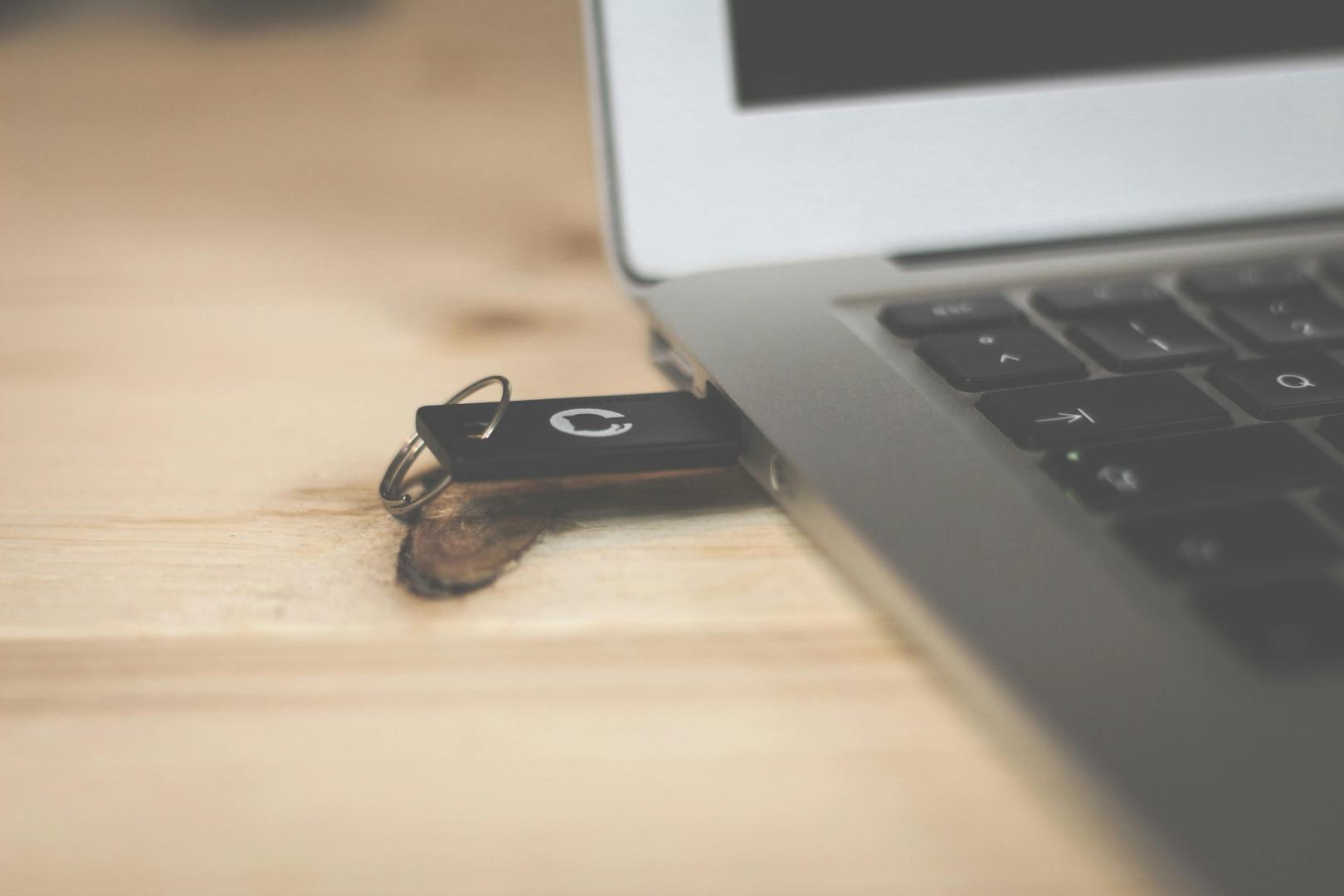
In an alarming development for the digital asset community, Microsoft's security researchers have unveiled a sophisticated new piece of malware designed to hijack cryptocurrency wallets and pilfer funds. What makes this threat particularly insidious is its low-tech, high-impact propagation method: standard USB sticks. As a senior crypto analyst, this discovery underscores the relentless ingenuity of cybercriminals and the ever-present need for heightened vigilance among cryptocurrency holders and enterprises alike.
The malware, whose specifics are still under investigation, operates with a chilling efficiency, capitalizing on common user behaviors and leveraging stealthy tactics to achieve its nefarious goals. Its primary mechanism involves intercepting shortcut files on USB drives, subtly redirecting them to install a persistent worm. Once embedded, this worm becomes a digital parasite, lurking in the background, specifically targeting cryptocurrency transactions and private keys—the very bedrock of digital asset ownership.
Unpacking the Malware's Modus Operandi: A Dual-Threat Mechanism
The core of this malware's danger lies in its two-pronged attack strategy, meticulously designed to bypass basic user scrutiny. First, its propagation via USB devices exploits the age-old trust users place in physical storage media. When an infected USB stick is inserted into a Windows machine, the malware takes control of existing shortcut files (.lnk files). Instead of directly opening the intended application or folder, these shortcuts are cleverly re-engineered to first execute the worm's installer, subsequently infecting the host system before the legitimate shortcut destination is even accessed. This initial infection vector is particularly concerning as it preys on inadvertent actions, turning a seemingly innocuous USB drive into a potent Trojan horse.
Once the worm is active on a system, it employs two critical functions to steal crypto:
- Private Key Harvesting via Clipboard: The malware continuously monitors the Windows clipboard, a temporary storage area used for copy-paste operations. Many users, especially those managing multiple wallets or transferring between exchanges, often copy private keys or seed phrases to the clipboard. The worm is designed to detect these sensitive strings and exfiltrate them, effectively handing over complete control of a user's digital assets to the attacker. This highlights a critical vulnerability in common practices, where convenience often trumps security.
- On-the-Fly Wallet Address Swapping: Perhaps the most insidious feature is its ability to detect cryptocurrency transfer operations. When a user initiates a transaction and copies a destination wallet address to the clipboard (a common step before pasting it into a wallet interface), the malware intercepts this action. It then surreptitiously replaces the legitimate destination address with one belonging to the attacker. The user, often accustomed to quick verification, might paste the attacker's address and confirm the transaction without realizing the substitution. This 'man-in-the-middle' clipboard attack is incredibly dangerous because the transaction appears legitimate to the user until the funds are irrevocably sent to the wrong destination.
The Perilous Impact on Crypto Users and Trust
The implications of such a widespread, stealthy threat are profound. For individual users, the immediate consequence is often the irreversible loss of funds. Unlike traditional banking where fraudulent transactions can sometimes be reversed, cryptocurrency transactions are immutable. Once a transfer is confirmed on the blockchain, there is virtually no recourse to recover stolen assets. This can lead to significant financial hardship, emotional distress, and a profound sense of violation.
Beyond individual losses, this malware erodes trust in the broader cryptocurrency ecosystem. A continuous stream of such incidents can deter new users and institutional investors, hindering the mainstream adoption and growth of digital assets. It also places a greater burden on cryptocurrency exchanges, wallet providers, and security firms to implement more robust safeguards and educate their user bases about these evolving threats. The psychological impact of realizing one's private keys or transaction destinations have been silently compromised can be devastating.
A Blast from the Past, With a Modern Twist
While the target—cryptocurrency—is distinctly modern, the propagation method via USB sticks harks back to an earlier era of cyber threats. Historically, USB-borne malware like Conficker or Stuxnet leveraged similar physical vectors for widespread infection. However, this new threat combines the 'old-school' distribution with 'new-school' targeted financial extraction, moving beyond simple data theft or system disruption to directly siphoning high-value digital assets. It serves as a stark reminder that even seemingly antiquated attack vectors can be repurposed with devastating effect when combined with contemporary targets and sophisticated execution.
Fortifying Your Digital Assets: Essential Safeguards
As senior crypto analysts, our primary role is not just to identify threats but to equip users with actionable strategies for defense. In light of this new malware, here are critical safeguards:
- Extreme USB Caution: Never insert an unknown USB stick into your computer. Even trusted USBs should be scanned with up-to-date antivirus software before use. Treat all external media with suspicion.
- Hardware Wallets (Cold Storage): For significant holdings, hardware wallets like Ledger or Trezor are indispensable. They keep your private keys isolated from internet-connected devices, making them impervious to software-based clipboard monitoring or keylogging.
- Verify, Verify, Verify Wallet Addresses: Before confirming any cryptocurrency transaction, meticulously verify the destination wallet address. Do not rely solely on copy-paste. Manually compare the first few and last few characters of the address displayed in your wallet interface with the intended recipient's address. Some experts even recommend sending a small test transaction first for large sums.
- Keep Software Updated: Ensure your operating system, antivirus software, and all crypto-related applications are always updated to the latest versions. Security patches often address vulnerabilities exploited by such malware.
- Clipboard Management Tools: Consider using secure clipboard managers that can notify you of changes or provide a history, though none are foolproof against highly sophisticated malware.
- Dedicated 'Clean' Machine: For very large transactions, consider using a dedicated computer solely for crypto operations, kept offline as much as possible, and regularly wiped or checked for integrity.
- Education and Awareness: Stay informed about the latest crypto scams and malware. A well-informed user is the first and best line of defense.
The Collective Defense: Industry Vigilance and User Empowerment
Microsoft's discovery is a crucial step in understanding and combating this threat. It underscores the critical role that cybersecurity firms play in the ongoing arms race against malicious actors. However, effective defense is a collective responsibility. Cryptocurrency platforms need to enhance their security protocols, implement warning systems, and educate their users more proactively. Regulators may need to consider guidelines for handling sensitive crypto information.
Ultimately, individual users must take ownership of their security posture. The decentralized nature of cryptocurrency bestows immense freedom but also places a significant burden of responsibility on the user. Relying solely on platform security or external safeguards is insufficient when threats like this USB worm are actively exploiting common human tendencies.
Conclusion: Staying Ahead in the Crypto Security Game
The unveiling of this USB-spreading, wallet-hijacking malware is a stark reminder that the frontier of cryptocurrency security is constantly shifting. The low barrier to entry for infection combined with its sophisticated payload targeting private keys and transaction addresses makes it a formidable adversary. As the crypto ecosystem matures, so too does the sophistication of those seeking to exploit it. By embracing robust security practices, staying informed, and exercising extreme caution, we can collectively fortify our digital assets against these evolving threats and ensure the continued growth and integrity of the decentralized future.