Introduction: Bitcoin's Geopolitical Tug-of-War
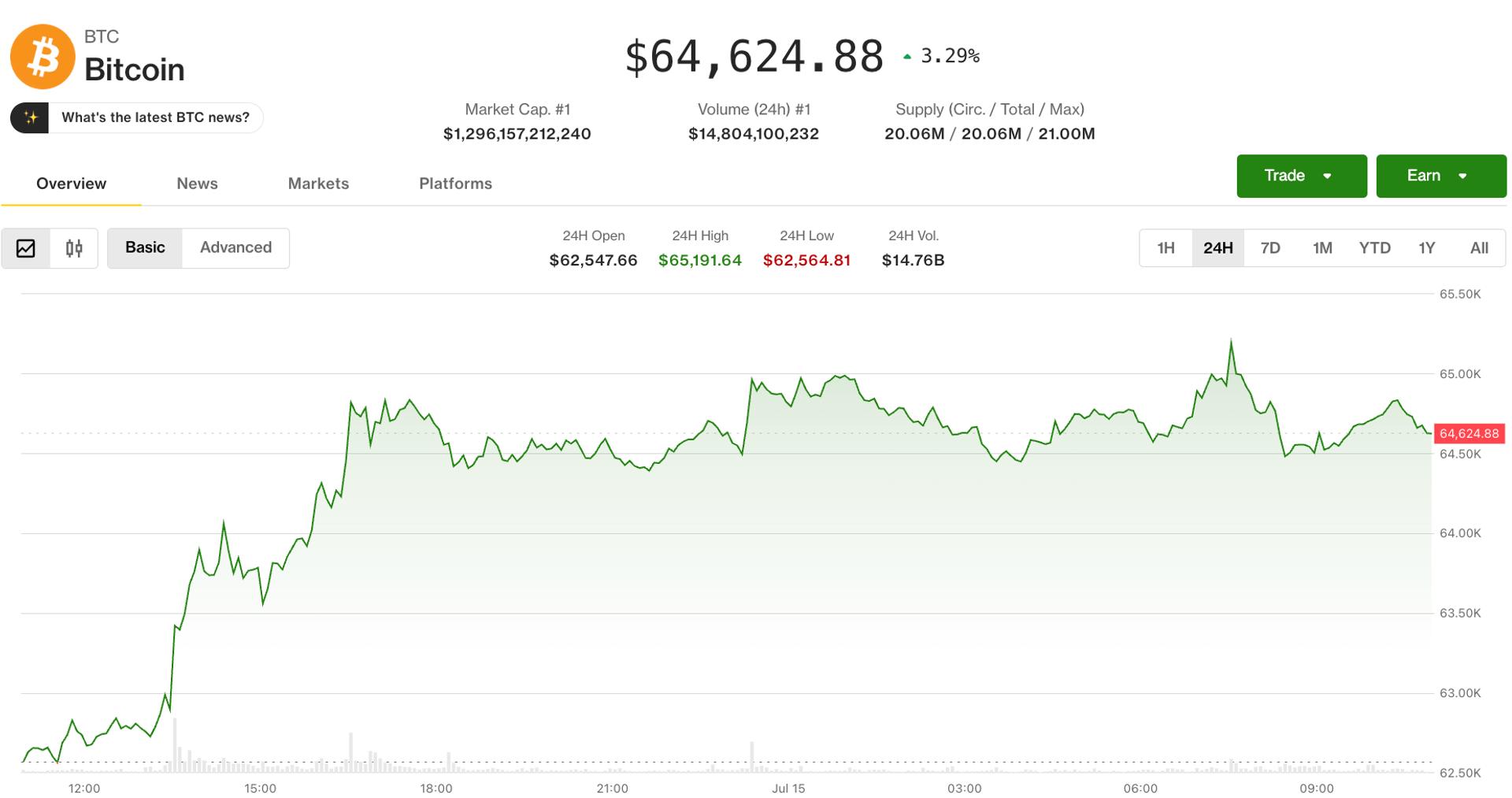
The cryptocurrency market, often characterized by its volatility and susceptibility to global macroeconomic shifts, recently presented a fascinating case study in conflicting market forces. Bitcoin, the flagship digital asset, found itself navigating a complex interplay of positive domestic economic news and escalating international geopolitical tensions. While a softer-than-expected U.S. inflation report offered a significant tailwind, rising tensions between the U.S. and Iran acted as a potent headwind, ultimately reining in potential gains and leaving Bitcoin remarkably steady at a three-week high. This dynamic underscores the evolving maturity of the crypto market and its increasing entanglement with both traditional economic indicators and global stability.
As a senior crypto analyst, understanding these crosscurrents is paramount. The market’s reaction, or in this case, its stabilization, speaks volumes about the underlying investor sentiment, the growing influence of institutional capital, and Bitcoin's contested role as either a risk asset or a safe-haven. This analysis delves into the intricate mechanisms by which these two powerful forces exerted their influence, dissecting the market’s equilibrium and peering into the potential implications for Bitcoin’s trajectory.
The Inflation Tailwind: A Sigh of Relief for Risk Assets
The announcement of a softer-than-expected U.S. inflation report was initially met with widespread relief across financial markets, particularly in sectors sensitive to interest rate expectations. Inflation data, primarily the Consumer Price Index (CPI), is a critical barometer for the Federal Reserve’s monetary policy decisions. When inflation cools more rapidly than anticipated, it typically reduces the pressure on central banks to maintain or further tighten restrictive monetary policies.
For risk assets like Bitcoin, this news is generally bullish. Lower inflation forecasts suggest that the Fed may either pause its rate hike cycle sooner or even begin contemplating rate cuts in the not-too-distant future. A less aggressive monetary policy stance translates into a more accommodative financial environment, where the cost of borrowing decreases, and investors are more inclined to seek higher returns in growth-oriented or alternative assets. Historically, Bitcoin has shown a strong inverse correlation with real interest rates – when rates fall or are expected to fall, Bitcoin tends to perform well as the opportunity cost of holding non-yielding assets diminishes. Furthermore, a perception of controlled inflation can boost overall market confidence, encouraging capital allocation towards riskier ventures. The initial market reaction would have likely seen a strong upward push for Bitcoin, reflecting this renewed optimism and a potential resurgence of institutional interest as the macroeconomic outlook brightened.
Geopolitical Headwinds: Middle East Tensions and the Flight to Safety
In stark contrast to the domestic economic optimism, the geopolitical landscape quickly injected a dose of caution. Reports of rising tensions between the U.S. and Iran, while often vague in specifics, are enough to trigger a significant shift in global investor sentiment. Geopolitical instability inherently introduces uncertainty, which financial markets typically abhor. Such developments tend to prompt a 'flight to safety,' where investors reallocate capital from riskier assets into traditionally stable havens.
The conventional safe havens include assets like gold, U.S. Treasury bonds, and sometimes the U.S. Dollar itself. The rationale is simple: in times of global uncertainty or potential conflict, these assets are perceived to retain their value or even appreciate due to their liquidity and historical reliability. For risk assets, including equities and, by extension, cryptocurrencies (when viewed through a risk-asset lens), geopolitical flare-ups often lead to selling pressure. The concern extends beyond direct economic impact; it encompasses the potential for supply chain disruptions, energy price spikes, and broader global economic slowdowns, all of which erode investor confidence. The timing of these renewed tensions, immediately following a positive inflation report, created a direct counterforce, effectively neutralizing much of the bullish momentum Bitcoin had gained. This phenomenon highlights how global political events can swiftly override fundamental economic improvements in shaping market dynamics.
Bitcoin's Resilience: Navigating the Conflicting Narratives
Perhaps the most compelling aspect of this scenario is Bitcoin’s ability to hold steady at a three-week high despite these powerful conflicting forces. This stability is not merely a lack of movement; it represents a delicate equilibrium achieved amidst significant market pressure. It suggests that the underlying positive sentiment from the inflation data was substantial enough to prevent a significant downturn triggered by geopolitical concerns, while the geopolitical worries were potent enough to cap the upside.
This steady holding pattern also reignites the debate surrounding Bitcoin's evolving identity. Is it predominantly a risk asset, highly correlated with tech stocks and susceptible to broader market fears? Or is it increasingly being viewed as a 'digital gold' – a safe-haven asset, uncorrelated with traditional markets, especially in times of fiat currency instability or political unrest? The current behavior suggests a nuanced position. For some investors, the softer inflation news might have cemented Bitcoin's appeal as an alternative investment, particularly given the ongoing debasement concerns of fiat currencies. For others, particularly those seeking pure safe havens, the Middle East tensions might have prompted a move towards traditional assets, preventing Bitcoin from truly soaring.
The fact that Bitcoin maintained its three-week high indicates a degree of resilience and perhaps a growing maturity in the market. It suggests that despite external pressures, there's a strong base of holders and a steady inflow of capital that prevents significant price erosion. This could be attributed to long-term conviction from institutional players, retail accumulation during dips, or even a nascent recognition of its uncorrelated potential by some sophisticated investors who view geopolitical strife as a reason to diversify into decentralized assets.
Market Implications and Forward Outlook
The current market dynamics paint a picture of a Bitcoin ecosystem that is increasingly complex and sophisticated in its reactions to global events. The interplay between U.S. economic policy and international relations will continue to be a dominant theme shaping Bitcoin’s price action in the coming months.
Looking forward, investors should pay close attention to several key indicators. Firstly, continued inflation data will be critical. Any further signs of cooling inflation could strengthen the bullish case for Bitcoin by reinforcing expectations of a dovish shift from the Fed. Conversely, an unexpected resurgence in inflation could reintroduce hawkish sentiment, dampening risk appetite. Secondly, geopolitical developments in the Middle East and other volatile regions will remain a significant factor. Any de-escalation could remove a major headwind, allowing the positive inflation narrative to fully play out. Conversely, an intensification of tensions could lead to renewed risk-off sentiment, testing Bitcoin's resilience and potentially driving it downwards or into a prolonged period of consolidation.
Furthermore, the correlation of Bitcoin with traditional assets, particularly equities and gold, will be a crucial metric to watch. A continued decoupling from equities during periods of uncertainty could strengthen its 'digital gold' narrative, attracting a new class of investors. Meanwhile, an increasing correlation with gold might also suggest its growing acceptance as a store of value. The market's current state of equilibrium suggests a cautious optimism, where fundamental improvements are battling geopolitical uncertainties, leaving Bitcoin poised at a fascinating crossroads.
Conclusion: A Delicate Balance
Bitcoin's performance, holding steady at a three-week high amidst contrasting forces, offers a compelling narrative of a market in flux. The undeniable boost from a favorable U.S. inflation report was effectively countered by the cautious sentiment induced by rising Middle East tensions. This delicate balance highlights Bitcoin’s dual identity as both a high-beta risk asset influenced by macroeconomics and an asset increasingly considered for its potential safe-haven properties during times of geopolitical instability.
As the crypto market matures, its responses to global events will likely become more nuanced and reflective of a broader investor base. The current stability, rather than volatility, in the face of such significant crosscurrents, may well be a testament to Bitcoin's growing fundamental strength and its evolving role in the global financial architecture. For investors and analysts alike, navigating this intricate landscape requires a keen understanding of both economic fundamentals and the unpredictable currents of international relations, all while keeping a close eye on Bitcoin’s unique position at the intersection of these powerful forces.