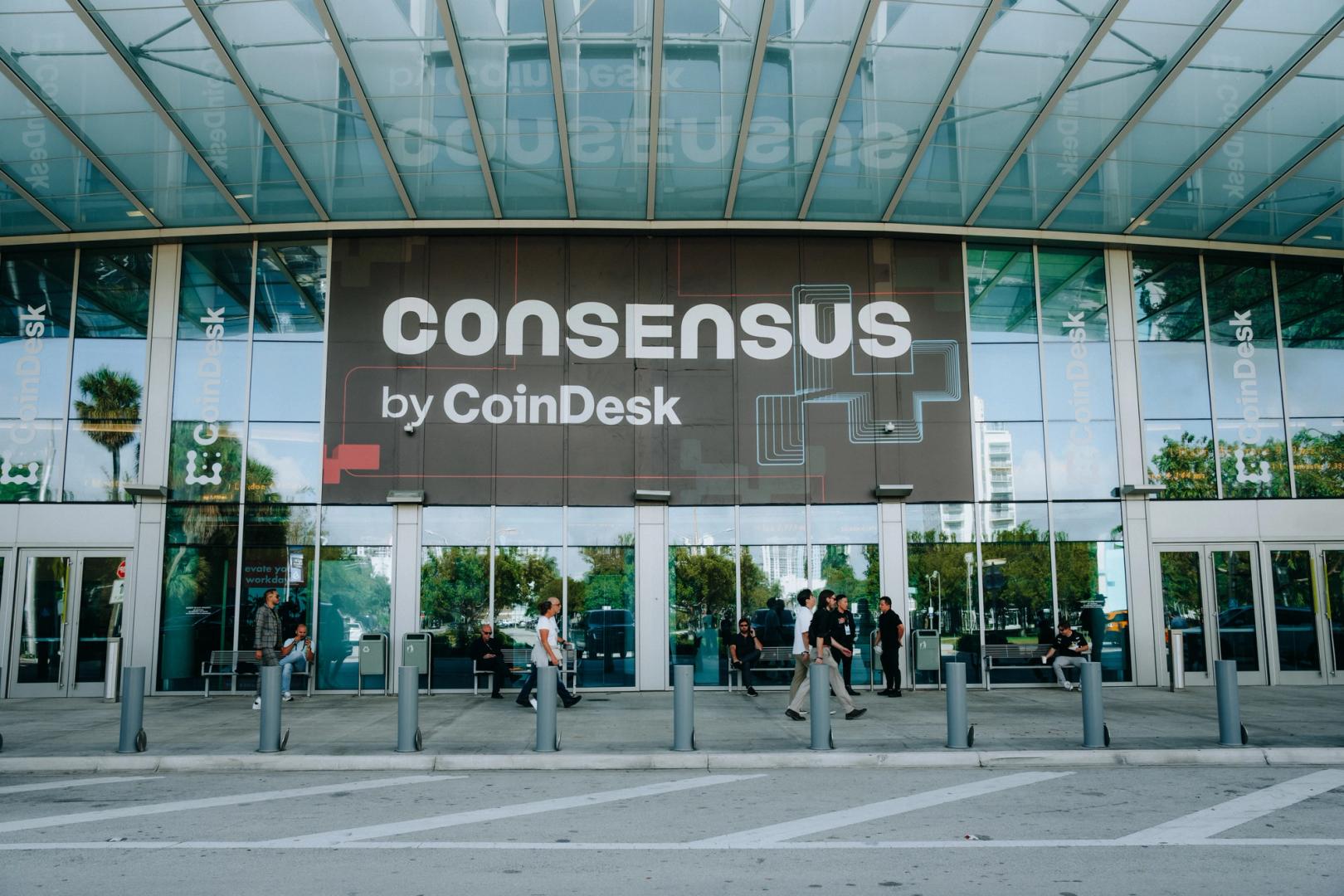
Consensus Miami: A Crucible for Policy and Progress
The energy at Consensus Miami was palpable, embodying a week described as 'hectic' yet profoundly pivotal for the global crypto industry. As a Senior Crypto Analyst, observing the confluence of policymakers, innovators, and investors, it became unequivocally clear that the state of crypto is now inextricably linked to the trajectory of its regulation. Far from merely a tech conference, Consensus Miami emerged as a critical forum where the industry grappled with its most pressing existential challenge: how to reconcile rapid innovation with the imperative for clear, equitable, and forward-thinking policy frameworks.
The central theme resonating across countless panels and hallway conversations was the urgent need for regulatory clarity. The digital asset space, having matured beyond its nascent stages, now faces an inflection point. The 'wild west' narrative, while perhaps romanticized in retrospect, is no longer sustainable for an industry poised to reshape global finance and digital interaction. This week in Miami wasn't just about showcasing new protocols or investment opportunities; it was about laying the groundwork for how these innovations will integrate into, and potentially transform, the existing global economic order.
The Global Regulatory Patchwork: A Call for Harmonization
One of the most striking aspects of the policy discussions was the stark contrast in approaches taken by different jurisdictions. While Europe, notably with MiCA (Markets in Crypto-Assets), is progressing towards a comprehensive framework, the United States continues to grapple with a fragmented and often conflicting regulatory landscape. Speakers highlighted the 'regulation by enforcement' approach often seen from the SEC, which creates uncertainty and stifles innovation, particularly for smaller projects and startups. Conversely, the CFTC's more commodity-centric view offers a different lens, but the lack of a unified federal strategy remains a significant headwind.
Discussions delved deep into the nuances of stablecoin regulation, a topic gaining increasing political traction globally. The collapse of UST and subsequent market volatility underscored the need for robust oversight, but also presented a clear dichotomy: how to ensure stability and consumer protection without stifling the utility and innovation that stablecoins offer. Experts debated the merits of fiat-backed reserves, algorithmic stability mechanisms, and central bank digital currencies (CBDCs), often concluding that a nuanced, technology-agnostic approach is paramount.
Innovation vs. Inhibition: Navigating the Policy Minefield
Despite the regulatory anxieties, the spirit of innovation at Consensus remained undimmed. Builders and entrepreneurs showcased advancements in layer-2 scaling solutions, decentralized finance (DeFi) protocols, real-world asset (RWA) tokenization, and privacy-enhancing technologies. However, a recurring plea from the innovation community was for policymakers to understand the underlying technology and its potential before imposing broad, restrictive rules.
Many argued that current regulatory frameworks, designed for traditional financial instruments, are ill-suited for the dynamic, programmable nature of digital assets. The call was for bespoke legislation that recognizes the unique characteristics of blockchain technology, such as its transparency, immutability, and decentralized governance. There was a strong push for 'regulatory sandboxes' and pilot programs that would allow new technologies to be tested and refined under controlled conditions, fostering learning and collaboration between industry and regulators.
The discussion around DeFi was particularly charged. While proponents championed its potential for financial inclusion and disintermediation, regulators expressed concerns about systemic risk, money laundering, and consumer protection in an often pseudonymous and permissionless environment. The challenge articulated was finding a way to mitigate these risks without undermining the core principles of decentralization that make DeFi revolutionary.
The US Policy Standoff: A Critical Outlook
For the US market, the policy discussions at Consensus Miami were particularly poignant. The ongoing debate over whether cryptocurrencies are securities or commodities, and which agency should assert primary jurisdiction, has created an environment of legal ambiguity that is hindering domestic growth. This 'hectic week' underscored the frustration felt by many US-based crypto companies contemplating relocating to jurisdictions with clearer guidelines.
Several sessions highlighted the critical role of congressional action. While executive orders have provided some direction, comprehensive legislation is needed to provide the certainty required for significant institutional investment and mainstream adoption. The conversation touched on bipartisan efforts, acknowledging that while progress is slow, there is growing recognition among lawmakers of crypto's permanence and importance.
The role of industry advocacy groups was also emphasized, with speakers urging greater engagement with policymakers to educate them on the technology and articulate the industry's vision. The sentiment was clear: the future of crypto in the US hinges on proactive collaboration and a concerted effort to bridge the knowledge gap between Silicon Valley and Washington D.C.
A Path Forward: Collaboration, Education, and Balanced Frameworks
The overarching conclusion from Consensus Miami’s policy discussions is that the industry stands at a pivotal juncture. The 'hectic week' revealed both the immense potential of digital assets and the structural challenges posed by an evolving regulatory environment. The path forward demands sustained collaboration between industry stakeholders, regulators, and legislators.
Education is key. Policymakers must be empowered with a deeper understanding of blockchain technology, its nuances, and its myriad applications. The industry, in turn, must embrace responsible innovation, proactively address concerns regarding consumer protection and market integrity, and contribute to the development of robust, yet flexible, regulatory frameworks.
Ultimately, the goal is not merely to survive regulation, but to thrive within a framework that fosters responsible innovation while safeguarding against systemic risks. The discussions at Consensus Miami laid bare the complexities, but also illuminated the pathways towards a future where digital assets can achieve their transformative potential, integrated seamlessly and securely into the global economy. The next few years will be crucial in determining whether the policy discussions of this 'hectic week' truly set the stage for a new era of mainstream crypto adoption.