The Clarity Act's Delay: A Frustrating Pause, or a Blessing in Disguise for Crypto's Regulatory Future?
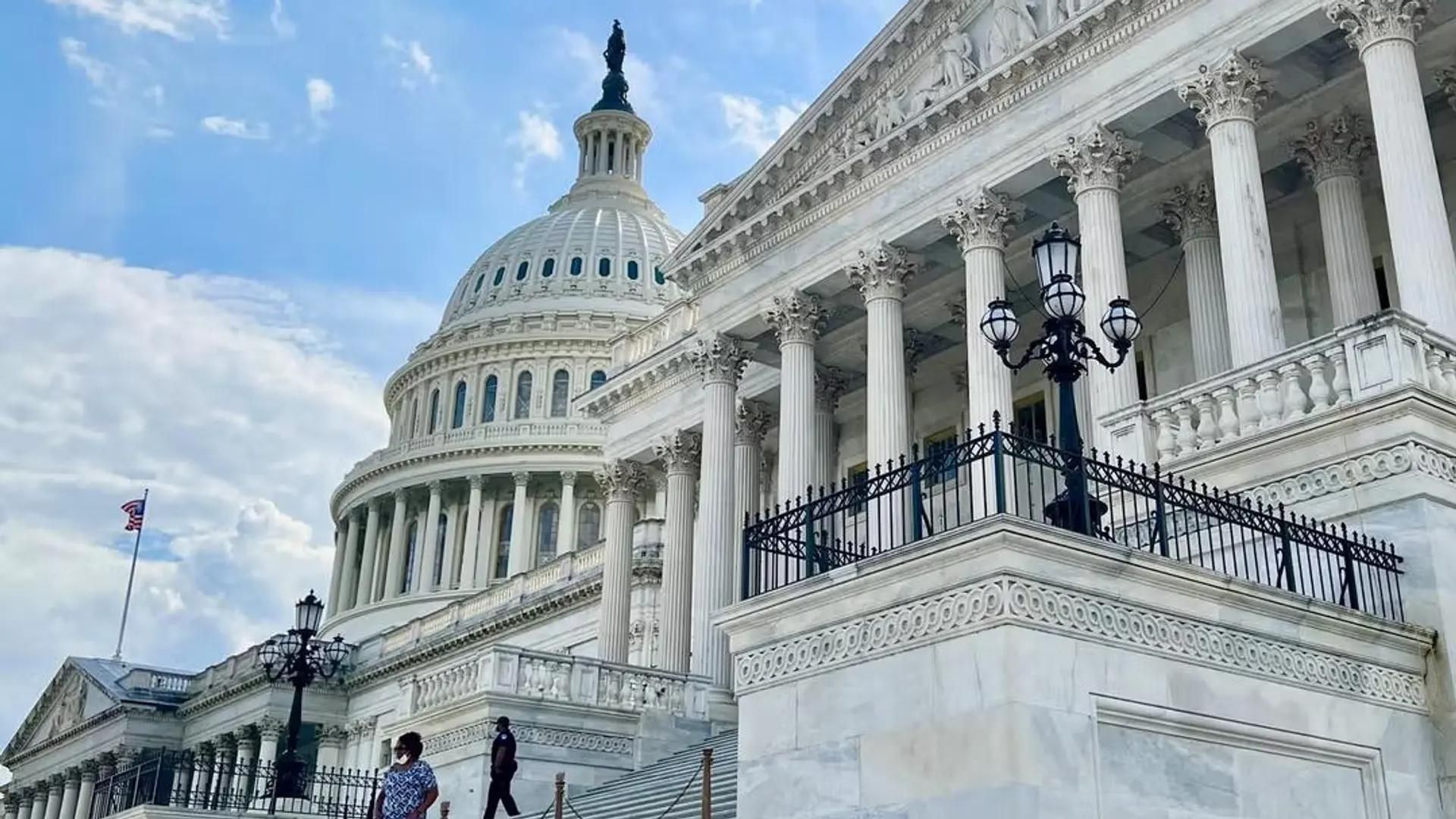
The collective sigh of disappointment emanating from the crypto industry this month was almost palpable. News that the U.S. Senate would not hold a procedural vote on the Clarity Act – a piece of legislation seen by many as a vital step towards establishing much-needed regulatory guidelines – has cast a familiar shadow of uncertainty over the digital asset space. For an industry clamoring for clear rules of engagement, this delay felt like a punch to the gut. Yet, as senior crypto analysts, it's our duty to look beyond the immediate frustration and explore whether this setback, however unwelcome, might harbor a strategic advantage. Could this delay truly be a blessing in disguise?
The Quest for Clarity: What the Act Promised
To understand the depth of the industry's disappointment, one must first appreciate what the Clarity Act aimed to achieve. At its core, the proposed legislation sought to delineate the regulatory jurisdiction over digital assets, primarily addressing the ongoing turf war between the Securities and Exchange Commission (SEC) and the Commodity Futures Trading Commission (CFTC). By providing clearer definitions for what constitutes a security versus a commodity in the context of cryptocurrencies, the Act promised to reduce regulatory ambiguity, foster innovation within the U.S. borders, and offer much-needed legal certainty for businesses, investors, and developers alike. Without this clarity, projects often face the daunting prospect of operating under a cloud of potential enforcement actions, stifling growth and pushing innovation overseas.
The Immediate Fallout: Disappointment and Lingering Uncertainty
The immediate reaction to the delay is, predictably, one of anger and frustration. Businesses had been holding their breath, hoping for a legislative roadmap that would allow for better strategic planning and investment. This continued regulatory vacuum means more resources spent on legal counsel, more caution around launching new products, and a persistent chilling effect on institutional adoption. Moreover, it reinforces the perception that Washington is either unwilling or unable to grasp the unique nature of digital assets, leading to a potential brain drain as talent and capital seek more accommodating jurisdictions. The U.S. risks falling behind in the global race for crypto leadership if it cannot provide a predictable regulatory environment.
Why the Hold-Up? Unpacking the Senate's Decision
While the specific reasons for the Clarity Act's procedural delay aren't fully transparent, several factors likely contribute. Congressional calendars are notoriously packed, especially with pressing issues like budget negotiations, geopolitical concerns, and an impending election cycle. Crypto regulation, despite its growing economic significance, may simply not have reached the critical mass needed to override other priorities. Furthermore, the inherent complexity of digital assets means there's rarely bipartisan consensus on how best to regulate them. Lawmakers may be grappling with fundamental disagreements, leading to a preference for delay over rushing through a potentially flawed bill that could have unintended consequences.
The Silver Lining: Is This Delay a Blessing in Disguise?
While the immediate pain is real, there is a compelling argument to be made that this delay might, in fact, be a hidden opportunity. Consider the following:
1. Avoiding Hasty, Ill-Conceived Legislation:
The worst outcome for any emerging industry is often poorly crafted, rushed legislation. A bill passed under pressure, without thorough understanding or adequate consultation, can create more problems than it solves. It could inadvertently stifle innovation, create new loopholes, or even grant excessive power to existing agencies without appropriate checks and balances. A delay allows for more deliberation, more expert input, and a greater chance to iron out potential flaws.
2. Opportunity for Deeper Engagement and Refinement:
This pause offers a crucial window for the crypto industry, academics, legal experts, and even concerned consumer advocacy groups to redouble their efforts in educating policymakers. It provides time to build broader consensus, clarify misunderstood concepts, and advocate for more nuanced approaches that reflect the rapid evolution of blockchain technology. Rather than accepting a less-than-ideal bill, this extra time can be used to push for a more robust, forward-thinking framework.
3. Addressing the Bigger Picture: Towards Comprehensive Frameworks:
The Clarity Act, while important, was ultimately a piecemeal solution. Many argue that the U.S. needs a more holistic regulatory framework that addresses not just security vs. commodity definitions, but also stablecoins, decentralized finance (DeFi), NFTs, taxation, consumer protection, and cybersecurity. The delay on Clarity might signal a realization within Congress that a more comprehensive approach is needed, rather than a series of isolated legislative efforts. This could lead to the development of a broader, more effective regulatory roadmap that covers all facets of the digital asset economy.
4. Adapting to Evolving Technology:
The crypto landscape changes at a breakneck pace. A bill drafted six months ago might already be partially outdated today. A delay, ironically, could allow lawmakers to incorporate insights from the latest technological advancements and market dynamics, ensuring that any future legislation is more future-proof and adaptable. This responsiveness is crucial for an industry built on innovation.
Navigating the Interim: What Now for Crypto?
For the crypto industry, the path forward during this extended period of uncertainty must be proactive. It's not a time for despair but for strategic engagement. Companies should continue to innovate responsibly, prioritizing robust compliance frameworks even in the absence of explicit guidelines. Education and advocacy efforts aimed at Congress, regulatory bodies, and the public must be intensified. Highlighting the economic benefits of fostering innovation in the U.S., while addressing legitimate concerns around consumer protection and illicit finance, is paramount. Building bridges and fostering understanding will be key to laying the groundwork for more favorable legislation down the line.
Conclusion: From Frustration to Strategic Foresight
The delay of the Clarity Act is undeniably frustrating for an industry yearning for certainty. The anger and disappointment are valid. However, dismissing this setback solely as a negative outcome would be short-sighted. By reframing this pause as an opportunity – an opportunity to refine, educate, build consensus, and potentially pave the way for a more comprehensive and robust regulatory framework – the crypto industry can transform immediate disappointment into long-term strategic advantage. While the wait continues, the industry must leverage this time to ensure that when clarity finally arrives, it is not just present, but truly effective and beneficial for all.