Bybit's Strategic Integration: A Catalyst for Convergence
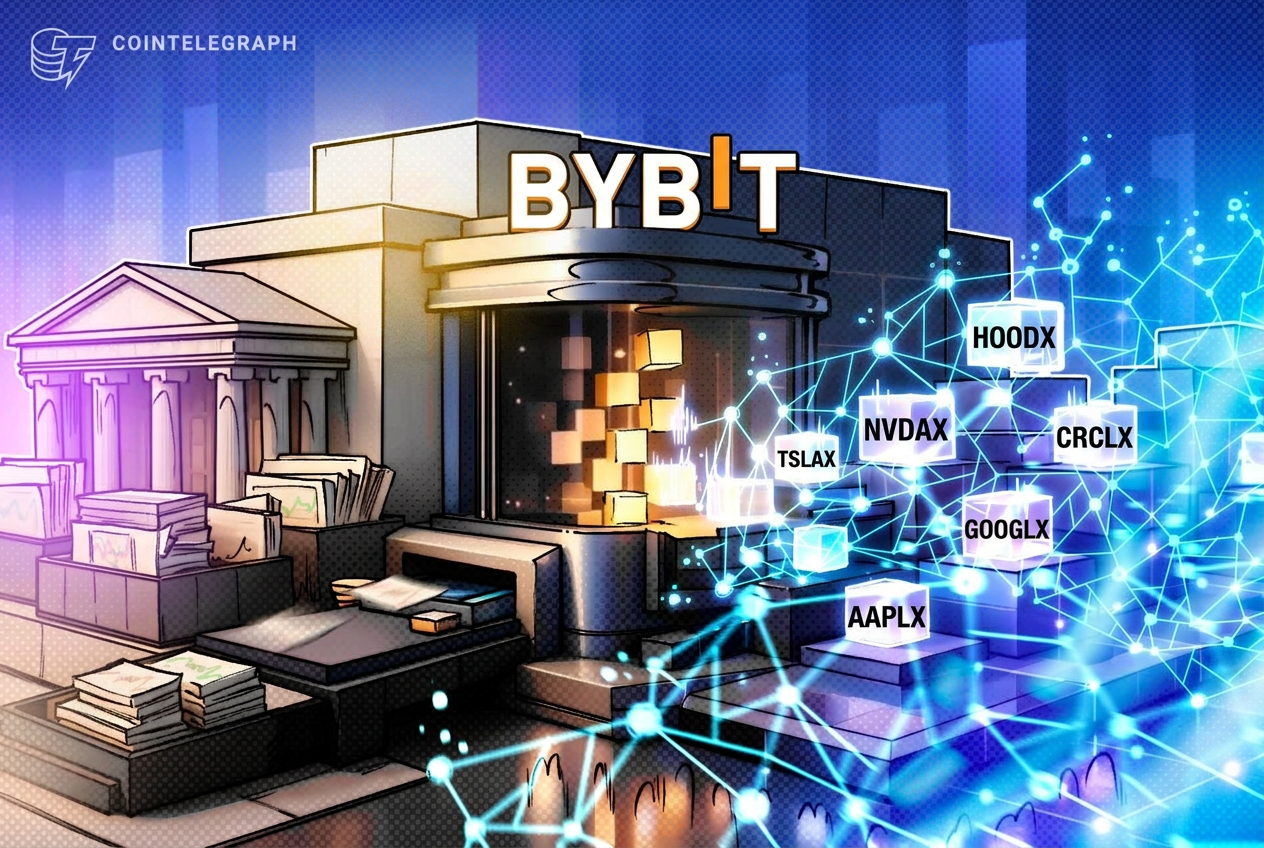
Bybit, a prominent player in the cryptocurrency exchange landscape, has made a significant announcement that reverberates beyond the immediate digital asset sphere: the integration of tokenized shares from global giants like Nvidia, Apple, and Tesla, alongside three other leading US companies, as collateral for its loan and trading products. This move, open to both retail and institutional users, is not merely a product update; it represents a pivotal moment in the ongoing convergence of traditional finance (TradFi) and the nascent, yet rapidly maturing, decentralized finance (DeFi) ecosystem. As a Senior Crypto Analyst, I view this development as a potent accelerant for capital efficiency, market liquidity, and the broader tokenization of real-world assets (RWAs).
Unlocking Capital Efficiency and Cross-Market Liquidity
At its core, Bybit's initiative addresses a fundamental challenge within the financial markets: capital fragmentation. Traditionally, assets held in the equity market are distinct from those in the crypto market, limiting cross-utilization. By tokenizing blue-chip stocks, Bybit is effectively creating a bridge, allowing users to leverage their equity holdings without liquidating them, thereby unlocking dormant capital. Imagine a scenario where an investor, bullish on a particular cryptocurrency but holding significant unrealized gains in Nvidia stock, can now use those tokenized NVDA shares as collateral to acquire their desired crypto position. This significantly enhances capital efficiency, providing a more versatile toolkit for sophisticated investors and institutions seeking to optimize their portfolios and manage liquidity across different asset classes.
This development is particularly impactful for institutions that have exposure to both traditional equities and digital assets. It offers a streamlined mechanism for managing risk and pursuing arbitrage opportunities that span these previously disparate markets. The increased utility of tokenized stocks could also attract a new cohort of TradFi participants who are curious about crypto but have been hesitant due to perceived complexities or lack of familiar collateral options. By accepting assets they understand and already hold, Bybit lowers the barrier to entry, fostering greater cross-pollination of capital and ideas.
Bybit's Strategic Positioning and the RWA Narrative
From Bybit's perspective, this is a shrewd strategic play. By being an early mover in integrating high-value, widely recognized tokenized securities, the exchange differentiates itself in a highly competitive market. It positions Bybit as an innovator at the forefront of the RWA tokenization trend, signaling a commitment to building a comprehensive financial ecosystem that transcends crypto-native assets. This bold step could significantly enhance its appeal to institutional clients who are increasingly exploring digital asset opportunities but require robust, compliant, and integrated solutions.
The broader narrative of Real-World Asset (RWA) tokenization has gained considerable traction in recent years. Projects aiming to bring everything from real estate to government bonds onto the blockchain promise enhanced liquidity, fractionalization, and transparency. Bybit's move with tokenized stocks is a tangible manifestation of this vision, demonstrating practical utility and paving the way for further integrations. It validates the underlying premise that blockchain technology can revolutionize the ownership and transfer of any asset, ultimately leading to a more interconnected and efficient global financial system.
Navigating the Regulatory and Operational Labyrinth
While the opportunities are vast, the integration of tokenized securities is not without its complexities and risks. The regulatory landscape surrounding tokenized stocks remains murky in many jurisdictions. Are these tokenized assets considered securities? If so, what are the implications for Know Your Customer (KYC), Anti-Money Laundering (AML), and cross-border compliance? Bybit, operating within various global regulatory frameworks, will need to tread carefully, ensuring full compliance while pushing the boundaries of innovation. The legal enforceability of tokenized collateral in the event of default, especially across international borders, is another area that demands clarity.
Operational risks also warrant close attention. The volatility of both underlying cryptocurrencies and the tokenized stocks themselves could lead to rapid collateral calls or liquidations. Accurate and reliable oracle services, which provide real-time price feeds for both crypto assets and the traditional equities, are paramount to ensuring the integrity of the lending system. Furthermore, the liquidity of these specific tokenized stock markets on Bybit will be crucial. If the market for tokenized Nvidia shares is thin, liquidating collateral during a downturn could prove challenging, potentially impacting the exchange and its users.
The Future Outlook: A Glimpse into a Hybrid Financial World
Bybit's decision marks an important inflection point. It signals a future where the lines between TradFi and crypto continue to blur, where capital can flow seamlessly between asset classes, and where the utility of blockchain technology extends far beyond cryptocurrencies. We are moving towards a hybrid financial world, where the best attributes of both systems – the stability and regulatory oversight of traditional finance, combined with the efficiency, transparency, and innovation of decentralized finance – converge.
Looking ahead, we can anticipate other major exchanges following suit, expanding the range of tokenized RWAs accepted as collateral. This will likely spur further development in compliant tokenization standards, robust oracle networks, and perhaps even clearer regulatory guidelines as policymakers catch up to technological innovation. Bybit has laid down a significant marker, challenging the status quo and offering a tangible vision of a more interconnected and capital-efficient financial future. This move is not just about adding new collateral options; it's about reshaping how we perceive and interact with financial assets in the digital age.