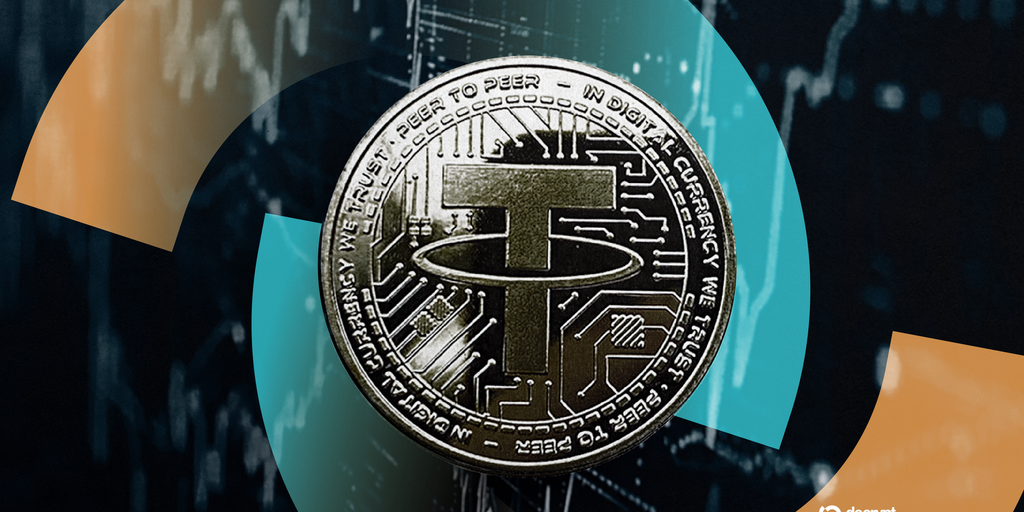
Bolivia Eyes USDT: A Bold Step Towards Stablecoin Integration or a Risky Gamble?
In a development that could reshape the financial landscape of South America, a recent report suggests that Bolivia is actively considering the integration of Tether's USDT stablecoin into its national payments system. This potential move, if realized, would mark a significant shift for a nation traditionally wary of cryptocurrencies and could establish a compelling precedent for other economies grappling with inflation and dollar scarcity. As a Senior Crypto Analyst, this news warrants a thorough examination, dissecting both the strategic advantages and the substantial challenges inherent in such a monumental decision.
The Context: Why Bolivia and Why Now?
Bolivia’s economic narrative has long been characterized by a struggle for stability. Historically, the nation has grappled with high inflation rates and a persistent reliance on the U.S. dollar, often necessitating informal currency exchanges to mitigate local currency depreciation. The formal adoption of a dollar-backed stablecoin like USDT could be seen as a pragmatic response to these deep-seated economic pressures. While the Bolivian government has historically maintained a cautious, even restrictive, stance on cryptocurrencies – outright banning them at one point – the current contemplation of USDT suggests a pragmatic re-evaluation driven by economic realities rather than ideological opposition.
For a country facing foreign exchange shortages and seeking to stabilize its economy, a widely accepted, dollar-pegged digital asset could offer a lifeline. This consideration isn't merely about technological adoption; it's a strategic maneuver to circumvent traditional financial bottlenecks, enhance transactional efficiency, and potentially offer its citizens a more stable store of value in an increasingly volatile global economic environment.
The Allure of USDT for Bolivia
The appeal of USDT for a nation like Bolivia is multifaceted. Firstly, its direct peg to the U.S. dollar offers an intrinsic hedge against local currency inflation. Citizens and businesses could potentially convert their depreciating Bolivianos into USDT, preserving purchasing power and fostering greater economic confidence. This mechanism could democratize access to dollar stability, moving it beyond the confines of traditional banking institutions.
Secondly, USDT facilitates faster, cheaper, and more efficient cross-border transactions and remittances. For Bolivians working abroad, sending money home often involves high fees and slow processing times through conventional channels. USDT, operating on various blockchain networks, could drastically reduce these friction points, injecting more capital into the local economy and empowering families. Furthermore, for a population with significant portions unbanked or underbanked, a stablecoin integrated into a national payments system could serve as a powerful tool for financial inclusion, offering access to digital financial services without requiring traditional bank accounts.
Finally, adopting USDT could signal Bolivia's intent to modernize its financial infrastructure and embrace digital innovation. By doing so, it could position itself as a forward-thinking nation in the burgeoning digital economy, potentially attracting foreign investment and technological partnerships.
Navigating the Treacherous Waters: Risks and Challenges
While the potential benefits are significant, Bolivia’s consideration of USDT is fraught with considerable risks and challenges that demand rigorous scrutiny. The foremost concern revolves around **regulatory oversight and legal frameworks**. Bolivia currently lacks comprehensive legislation governing stablecoins and digital assets. Integrating USDT into a national system would necessitate the rapid development of robust regulatory guidelines covering consumer protection, anti-money laundering (AML), combating the financing of terrorism (CFT), taxation, and dispute resolution. Without this, the system would be vulnerable to illicit activities and could expose consumers to significant risks.
Another critical aspect is **Tether's transparency and reserves**. Despite being the largest stablecoin, Tether has faced past controversies regarding the full backing and auditing of its USDT reserves. For a sovereign nation to integrate it into its national payments, absolute transparency and verifiable, regular audits of Tether's reserves would be paramount. Bolivia would need assurances that every USDT token is truly backed by an equivalent amount of fiat currency or highly liquid assets, held in secure, auditable accounts. Any perceived instability or lack of confidence in Tether’s backing could trigger a crisis of trust, with severe ramifications for Bolivia's financial stability.
Furthermore, the **technological infrastructure and digital literacy** of the Bolivian population must be considered. While smartphone penetration is growing, widespread internet access and familiarity with digital wallets are not universal. A national rollout would require significant investment in education, secure digital infrastructure, and user-friendly interfaces to ensure broad adoption and prevent a digital divide. **Cybersecurity** also becomes a paramount concern, as a national stablecoin system would present an attractive target for cyberattacks.
From a macroeconomic perspective, integrating USDT could impact **monetary sovereignty and capital control**. While offering stability, it could also lead to an increased dollarization of the economy, potentially eroding the central bank's ability to implement independent monetary policy. The ease of converting local currency to USDT might also exacerbate capital flight during periods of economic uncertainty, further weakening the local currency.
Broader Implications and The Road Ahead
Bolivia's potential embrace of USDT could set a compelling precedent for other developing nations facing similar economic headwinds, particularly within Latin America, a region highly susceptible to currency fluctuations. It could force central banks globally to accelerate their research into Central Bank Digital Currencies (CBDCs) or to develop more accommodating frameworks for privately issued stablecoins. The move would undoubtedly be watched closely by international financial bodies, who will be keen to assess its impact on financial stability, regulatory compliance, and potential for misuse.
In conclusion, Bolivia's reported consideration of USDT is a watershed moment, reflecting a growing global trend towards the intersection of traditional finance and digital assets. While the promise of economic stability, financial inclusion, and efficient payments is enticing, the path forward is fraught with considerable challenges. Success hinges not just on the technical integration of USDT, but on the meticulous development of robust regulatory frameworks, unwavering transparency from stablecoin issuers, significant investment in education and infrastructure, and a clear national strategy to manage the macroeconomic implications. Bolivia stands at a pivotal juncture, poised to either pioneer a new era of digital finance or navigate a complex landscape requiring unprecedented caution and foresight.