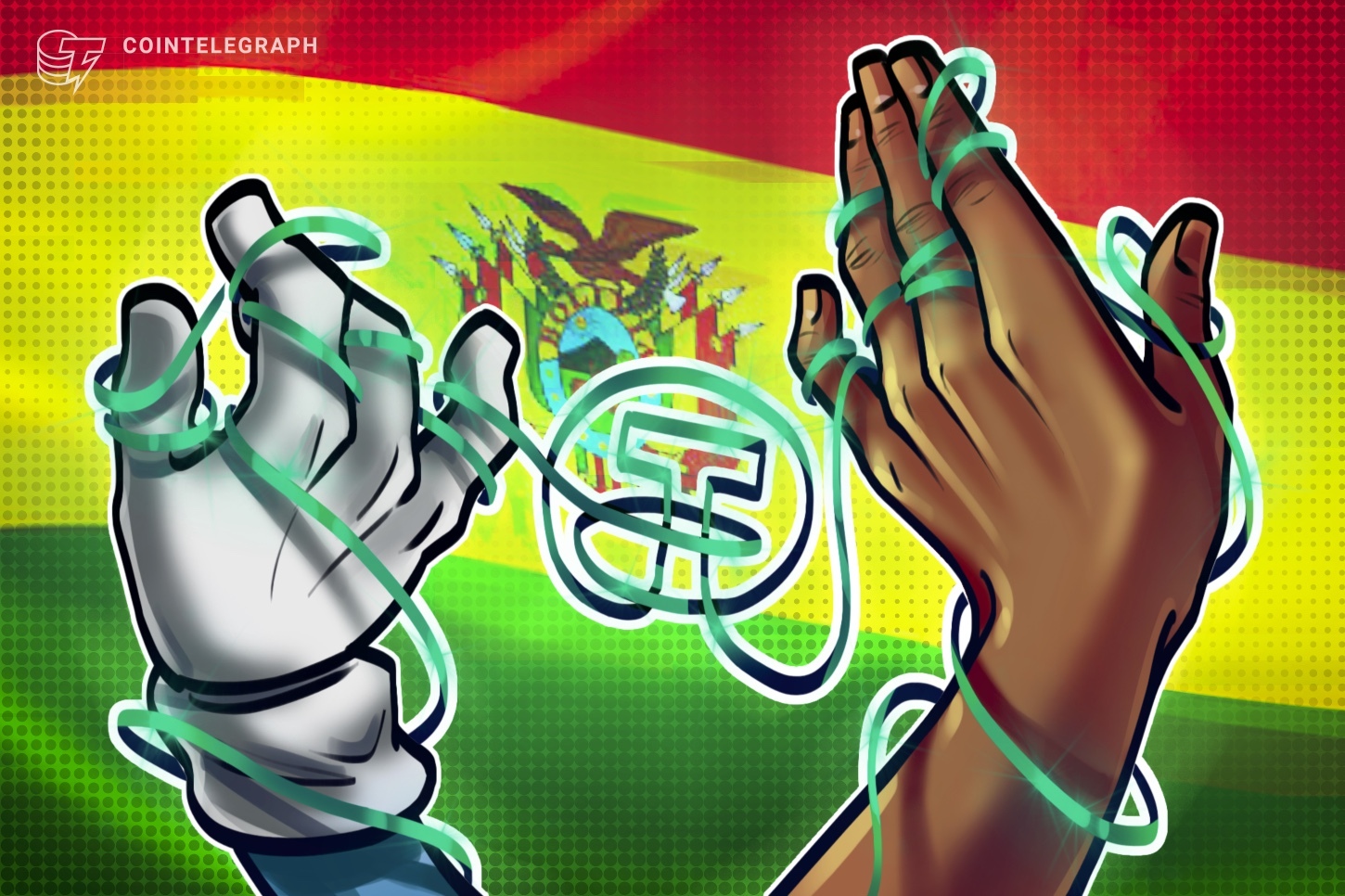
Bolivia's Bold Move: USDT Eyed to Alleviate Crippling Dollar Shortage
Bolivia, grappling with a severe dollar shortage and rapidly dwindling foreign currency reserves, is reportedly considering a groundbreaking framework to recognize USDT, the world’s largest stablecoin, for payments, savings, and trade. This radical proposal, born out of economic necessity, positions Bolivia as a critical case study in how emerging economies might leverage digital assets to circumvent traditional financial strictures and combat macroeconomic instability. As a Senior Crypto Analyst, I see this as a significant development that could reshape the narrative around stablecoin adoption in sovereign contexts.
Bolivia's Economic Predicament
The nation’s economic woes are deeply rooted in years of maintaining a fixed exchange rate for the Boliviano against the US dollar. This policy, combined with declining gas exports (a primary source of foreign currency) and increased imports, has led to a critical scarcity of US dollars within the country. The central bank’s foreign currency reserves have plummeted, fueling a thriving black market for dollars and eroding public confidence. Faced with potential default and broader economic crisis, the government has exhausted traditional measures, making the embrace of a digital dollar a pragmatic, albeit unconventional, consideration.
The Strategic Appeal of USDT
USDT’s appeal for Bolivia is both immediate and strategic. Its dollar peg offers a digital proxy for the physical greenback, providing stability and a globally recognized value proposition without the logistical challenges of scarcity. Operating on blockchain networks, USDT facilitates near-instantaneous and low-cost cross-border transactions, a critical advantage for stimulating trade and easing remittances by bypassing slow, expensive, and often bottlenecked traditional banking channels. Moreover, adopting USDT could inject much-needed liquidity, particularly for international trade, potentially unblocking supply chains and revitalizing economic activity hindered by dollar scarcity. For a nation desperate for foreign exchange, USDT offers a potential path to financial fluidity.
Implementation Challenges and Regulatory Hurdles
The "recognition" of USDT is a nuanced concept. It's unlikely to be legal tender but rather a regulated payment instrument within a supervised framework. This necessitates the establishment of robust Anti-Money Laundering (AML) and Counter-Terrorism Financing (CTF) protocols, seamless integration with existing financial reporting, and a clear delineation of roles for financial institutions and the central bank. Technologically, ensuring widespread internet access, smartphone penetration, and educating a diverse populace on digital wallet usage will be a monumental task. Furthermore, the government must mitigate risks like potential capital flight and maintain monetary sovereignty if USDT gains significant traction.
Potential Benefits and Inherent Risks
Should Bolivia successfully implement this framework, the benefits could be substantial. It could significantly alleviate the dollar shortage by providing an alternative medium for transactions and savings, easing pressure on physical dollar demand. The move would also facilitate trade by lowering costs and increasing speed for international business transactions. Furthermore, it could enhance financial inclusion by expanding access to stable value for citizens, potentially reducing reliance on informal money changers, and attracting crypto-native investment to foster innovation within its nascent digital economy.
However, the path is fraught with risks. A primary concern is regulatory oversight, ensuring strict adherence to international financial standards for a decentralized asset. Counterparty risk is also present; while Tether undergoes audits, the transparency and solvency of its reserves remain a subject of debate for some, and a sudden loss of confidence could be catastrophic. Widespread USDT adoption could also challenge the Central Bank’s control over monetary policy, exchange rates, and inflation, impacting monetary sovereignty. Significant hurdles include overcoming digital literacy gaps and ensuring secure technological infrastructure. Finally, there are geopolitical implications, with potential scrutiny from international bodies like the IMF or the US Treasury.
A Broader Trend in Latin America and Global Implications
Bolivia’s consideration of USDT is not an isolated event in Latin America, a region often characterized by currency instability and high remittance costs. While distinct from El Salvador’s Bitcoin experiment or Argentina’s organic crypto adoption as an inflation hedge, Bolivia's focus on a dollar-pegged stablecoin specifically targets its dollar scarcity. If successful, this move would set a significant global precedent, underscoring stablecoins' utility for emerging economies grappling with currency crises. It could accelerate mainstream adoption of digital assets and force a deeper conversation among international financial institutions about stablecoins' role in the global financial architecture.
Conclusion
Bolivia’s exploration of USDT is a desperate, yet potentially innovative, measure born from profound economic pressure. It represents a calculated risk with high stakes, aiming to stabilize its economy by embracing a digital form of the very currency it lacks. As a Senior Crypto Analyst, I believe the success of this endeavor hinges on robust regulatory frameworks, technological preparedness, and astute risk management. Its outcome will be closely watched, potentially charting a new course for sovereign economic resilience in an increasingly interconnected and financially volatile world.