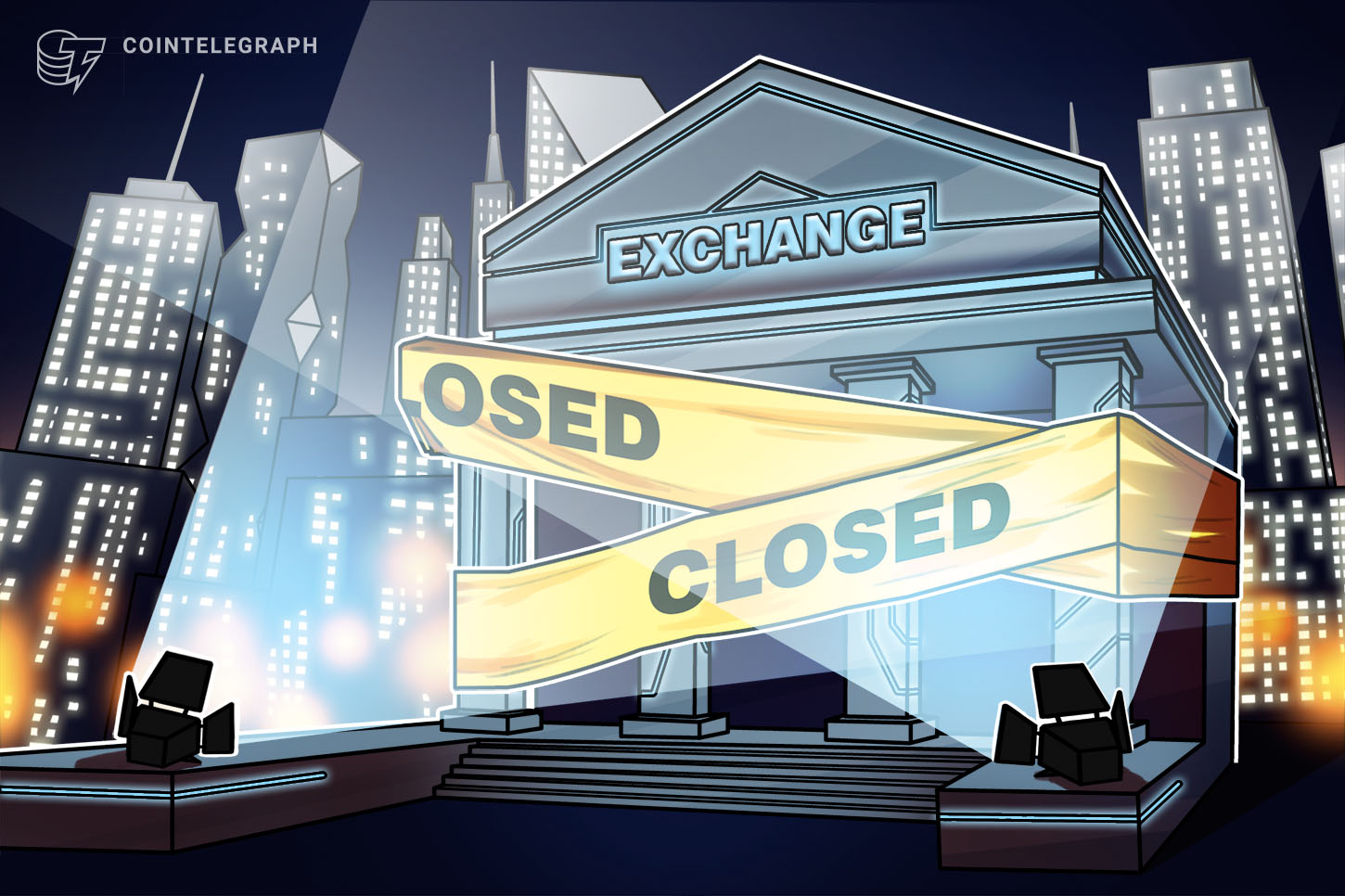
BitMart's Demise: A Cautionary Tale of Liquidity, Trust, and Native Tokens
The cryptocurrency exchange landscape continues its relentless evolution, often marked by the stark reality of platforms unable to weather the industry's storms. The latest casualty is BitMart, a prominent albeit mid-tier centralized exchange, which has announced its decision to wind down operations. With trading set to cease by August 26th and full platform operations concluding in January of next year, BitMart's exit serves as a potent reminder of the inherent risks in the crypto ecosystem, particularly for platforms struggling with liquidity, user trust, and the volatile nature of native exchange tokens.
The Cracks Emerge: BMX Plunge and Withdrawal Delays
BitMart's downfall, as per its own statement, can be directly attributed to a significant plunge in its native token, BMX, coupled with mounting user reports of withdrawal delays. These two factors are classic harbingers of financial distress for any exchange. A plummeting native token signals a profound loss of confidence. These tokens, often used for fee discounts or staking, derive value from the platform's perceived health. When the platform faces headwinds, its token often enters a death spiral, exacerbating liquidity issues.
Simultaneously, user-reported withdrawal delays are an undeniable red flag. In the wake of numerous high-profile collapses—from Celsius to FTX—the inability of an exchange to process user withdrawals promptly triggers panic. This fear of illiquidity prompts a mass exodus, draining reserves and accelerating demise. This feedback loop of fear, dwindling token value, and operational friction proved insurmountable for BitMart.
A History Marred: The Lingering Shadow of Past Incidents
While the BMX plunge and withdrawal issues were immediate catalysts, BitMart’s struggles are not without historical precedent. The exchange suffered a significant security breach in December 2021, losing approximately $196 million. While BitMart reportedly reimbursed affected users, such incidents leave an indelible mark on an exchange's reputation and financial stability. Recovering from such a substantial loss requires immense effort in rebuilding trust, investing heavily in enhanced security, and potentially depleting capital reserves needed during market downturns.
This history likely contributed to a weakened user base and heightened sensitivity to instability. In an industry scrutinized by regulators and wary users, a pristine track record is paramount. BitMart's past security lapse, combined with the current liquidity crisis, made it exceptionally difficult to regain or maintain the necessary level of user confidence for sustained operations.
Implications for BitMart Users: Act Now
For current BitMart users, the message is clear and urgent: withdraw all funds immediately. The exchange has explicitly stated that trading will cease by August 26th, and full platform operations will end in January. Users must take proactive steps to transfer their assets to personal wallets (self-custody) or to other reputable, solvent exchanges. Failure to do so risks losing access to funds or facing complex, lengthy recovery processes that often yield incomplete results. This situation underscores the critical importance of regular portfolio audits and avoiding leaving significant sums on centralized exchanges, especially those exhibiting signs of distress.
Broader Industry Ripples: Lessons in Transparency and Risk Management
BitMart's wind-down is more than just the closure of another exchange; it carries broader implications for the cryptocurrency industry. It further erodes trust in the centralized exchange model, particularly for platforms lacking robust transparency like verifiable Proof-of-Reserves. In a post-FTX world, investors demand greater accountability and visibility into how exchanges manage assets.
The BitMart saga also highlights the inherent risks associated with native exchange tokens. While they can incentivize participation, their tight correlation with the exchange's health creates a single point of failure. A decline in the token’s value can quickly spiral into a liquidity crisis. This event may lead to a re-evaluation of such tokens as primary revenue or incentive mechanisms, pushing exchanges towards more stable, transparent business models.
Furthermore, this incident could intensify regulatory pressures globally. Regulators are keen to protect consumers. Each exchange collapse strengthens the case for more stringent licensing, capital requirements, and operational oversight, potentially making it harder for smaller, less capitalized exchanges to compete or even survive.
The Path Forward: Enhanced Due Diligence and Self-Custody
As a senior crypto analyst, I cannot stress enough the lessons emerging from BitMart's demise. Users must practice rigorous due diligence when selecting an exchange, assessing financial stability, security track record, and regulatory compliance. Prioritizing exchanges with transparent Proof-of-Reserves, robust security measures, and clear communication is paramount.
Crucially, the principle of "not your keys, not your crypto" rings truer than ever. Self-custody—moving assets to hardware wallets or secure software wallets where users control their private keys—remains the gold standard for long-term security. Centralized exchanges should primarily be used for active trading or short-term liquidity needs, not as a long-term storage solution.
Conclusion: Another Wake-Up Call for a Maturing Industry
BitMart's decision to wind down marks another challenging chapter in the crypto industry's journey towards maturity. It underscores the brutal realities of liquidity management, the critical importance of user trust, and the double-edged sword of native exchange tokens. While unfortunate for its users and employees, this event provides yet another valuable, albeit painful, lesson for the entire ecosystem: only the most resilient, transparent, and user-centric platforms will endure in the long run. Investors and users must internalize these lessons, prioritizing security and sound financial practices to navigate the evolving crypto landscape successfully.