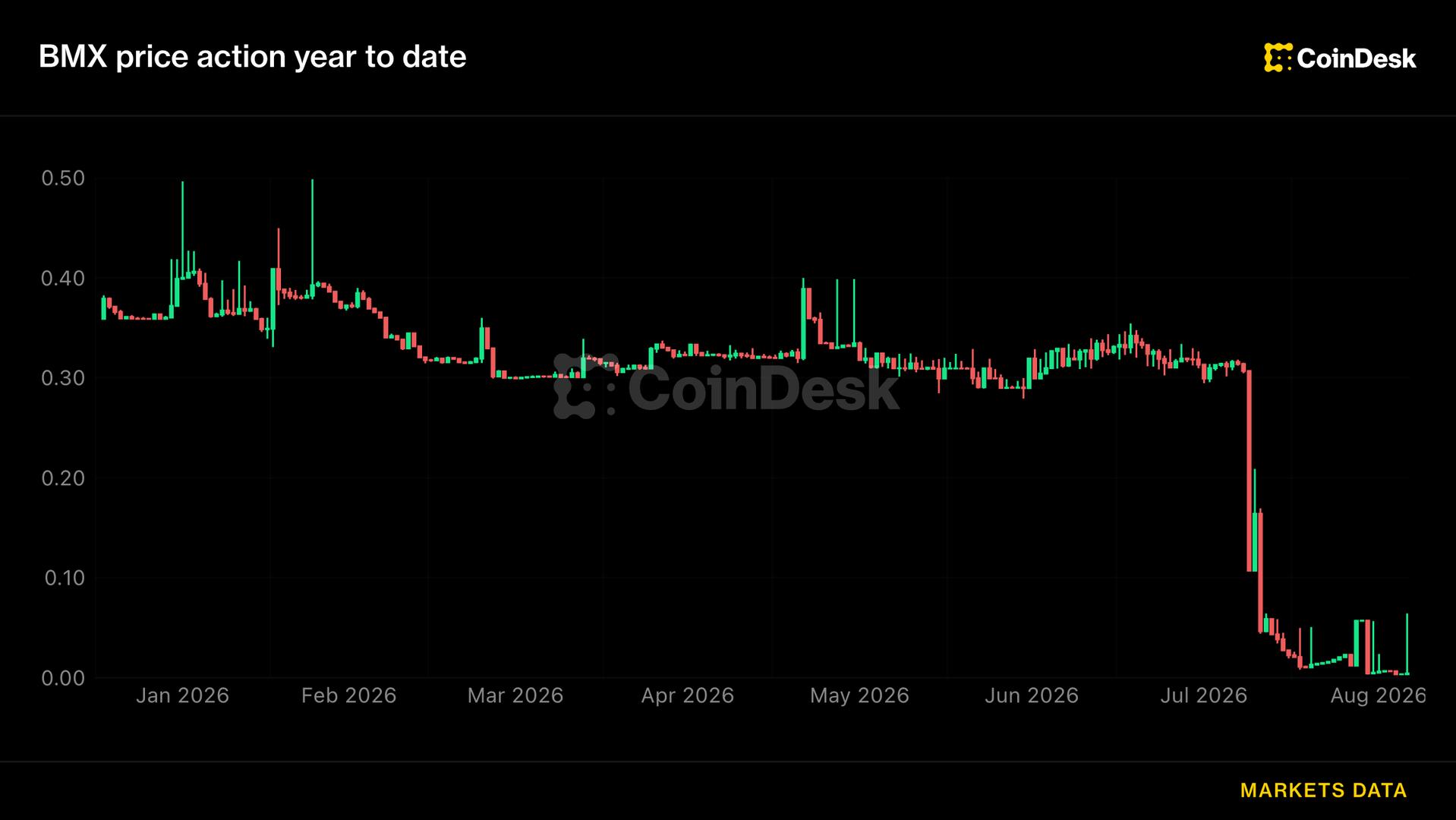
BitMart's Unexpected Pivot: From Shutdown to Strategic Revival
The recent developments surrounding crypto exchange BitMart present a fascinating and complex case study in the volatile digital asset landscape. Weeks after announcing a potential winding down of operations, the exchange now signals a significant pivot: actively weighing a partial restart of services alongside a structured plan for creditor payouts. This unexpected shift, spearheaded by the renowned global law firm White & Case as restructuring counsel, marks a critical juncture for BitMart and its affected users. The initial shutdown announcement sparked widespread concern, typically foreshadowing a protracted liquidation process with uncertain outcomes. However, exploring a partial restart suggests a more ambitious strategy to preserve operational value while addressing liabilities. With a detailed roadmap expected by Sept. 9, the stakes are exceptionally high for all stakeholders.
The Strategic Significance of a Partial Restart
Why would an exchange, having announced a shutdown, opt for a partial restart rather than a straightforward liquidation? The decision likely stems from a desire to salvage brand equity, generate ongoing revenue to fund creditor recoveries, and avoid the substantial value destruction typical of crypto fire-sale liquidations. A “partial restart” implies a carefully considered reduction in scope: perhaps focusing on specific, regulated jurisdictions, offering a limited suite of services, or prioritizing institutional clients over retail users.
This approach presents immense challenges, particularly in rebuilding user trust after a significant public announcement and securing the necessary regulatory approvals for a revised operational model. The crypto community is acutely aware of past exchange failures and the paramount importance of robust security, transparency, and liquidity. Yet, a successful partial restart could offer a more structured and potentially more beneficial path for creditors, yielding higher recovery percentages than a rushed liquidation. It signals a belief in the exchange's underlying business value, contingent on addressing past issues, recapitalizing, and implementing robust new safeguards.
White & Case: A Signal of Seriousness and Structure
The engagement of White & Case as restructuring counsel is a critical signal. As a globally recognized law firm with extensive experience in high-stakes corporate restructurings, bankruptcies, and cross-border insolvency matters, their involvement underscores the seriousness and complexity of BitMart’s situation. This move indicates a commitment to a structured, legally sound, and strategically advised resolution, distancing it from any ad-hoc or uncoordinated attempt at recovery.
For creditors, this engagement offers a degree of reassurance that the process will be guided by experienced professionals accustomed to navigating intricate financial and legal landscapes. White & Case’s expertise will be crucial in developing a viable restructuring plan, negotiating with various creditor classes across potentially multiple international jurisdictions, and ensuring compliance with relevant financial and legal frameworks. Their involvement strongly implies that BitMart anticipates a challenging path ahead, demanding sophisticated legal and financial engineering to achieve both its ambitious revival and creditor satisfaction objectives.
Navigating the Labyrinth of Creditor Payouts
The commitment to “creditor payouts” forms the core of any successful restructuring, yet in the volatile world of cryptocurrency, this aspect is particularly fraught with challenges. The primary hurdles include accurately identifying all creditors, valuing diverse, volatile crypto assets, and establishing a fair, legally defensible, and efficient distribution mechanism. Depending on the nature of the assets held by BitMart – from stablecoins to highly illiquid altcoins – the recovery process could vary dramatically in complexity and potential returns for stakeholders.
Furthermore, the prioritization of different creditor classes will be a significant contention point. Will retail users be treated equally with institutional lenders? Are there secured creditors whose claims take precedence? These questions are often decided in complex legal battles, and the answers can significantly impact the final recovery percentages for various stakeholders. The Sept. 9 roadmap must provide substantial clarity on BitMart's proposed approach to these critical issues, outlining comprehensive frameworks for asset valuation, claim validation, and distribution to all stakeholders.
The Sept. 9 Roadmap: A Moment of Truth
All eyes are on Sept. 9, the date by which BitMart is due to present its detailed roadmap. This document will be far more than a mere update; it will be the definitive blueprint for the exchange's future, and a critical determinant of whether its ambitious restructuring efforts can succeed. The roadmap must be comprehensive, transparent, and realistic, addressing key concerns for all stakeholders, from retail users to institutional partners.
Key elements expected in the roadmap include: a clear outline of the proposed partial restart model (e.g., specific services, geographical scope, technological upgrades, new security protocols), a detailed financial plan illustrating how the exchange intends to generate revenue and fund payouts, a transparent framework for asset valuation and creditor distribution, and potentially details on new management or governance structures. The credibility, feasibility, and clarity of this roadmap will dictate BitMart’s ability to begin rebuilding trust and charting a viable path toward a sustainable future.
Broader Implications for the Crypto Ecosystem
BitMart's restructuring saga offers crucial lessons for the broader cryptocurrency ecosystem. It highlights the inherent fragility in some centralized entities and the critical need for robust risk management, transparent financial reporting, and strict segregation of client funds. Should BitMart successfully execute a partial restart and deliver meaningful creditor recoveries, it could establish a precedent for future crypto insolvencies, proving the benefits of structured restructuring over outright liquidation. This could offer a more mature, investor-centric approach to market failures.
Conversely, a failed attempt would further erode confidence in centralized exchanges and underscore the persistent challenges of investor protection in a largely unregulated or inconsistently regulated global industry. Regardless, this situation serves as a potent reminder for users to exercise caution, diversify holdings, and deeply understand the inherent risks associated with custodial services in the crypto space. The industry's maturity will be partly defined by its ability to resolve such crises with fairness, transparency, and a commitment to long-term sustainability.
Conclusion: A Cautious Path Forward
BitMart’s journey from a shutdown announcement to contemplating a partial restart, guided by White & Case and culminating in the Sept. 9 roadmap, signifies a delicate and highly scrutinized attempt at corporate resuscitation. The coming weeks are crucial to determining if the exchange can effectively balance the pressing demands of its creditors with the ambition of a strategic revival. While the path ahead is undoubtedly challenging, a well-executed and transparent plan could offer a glimmer of hope for affected users and provide valuable insights into the evolving landscape of crypto insolvencies.
All stakeholders must approach the Sept. 9 roadmap with careful scrutiny, as its details will not only chart the course for BitMart's immediate future but will also potentially influence how similar crises are managed and resolved in the nascent yet rapidly maturing digital asset economy. The success or failure of this endeavor will reverberate beyond BitMart, impacting trust and regulatory perceptions across the entire crypto space.