Bridging Regulatory Trust with Decentralized Access
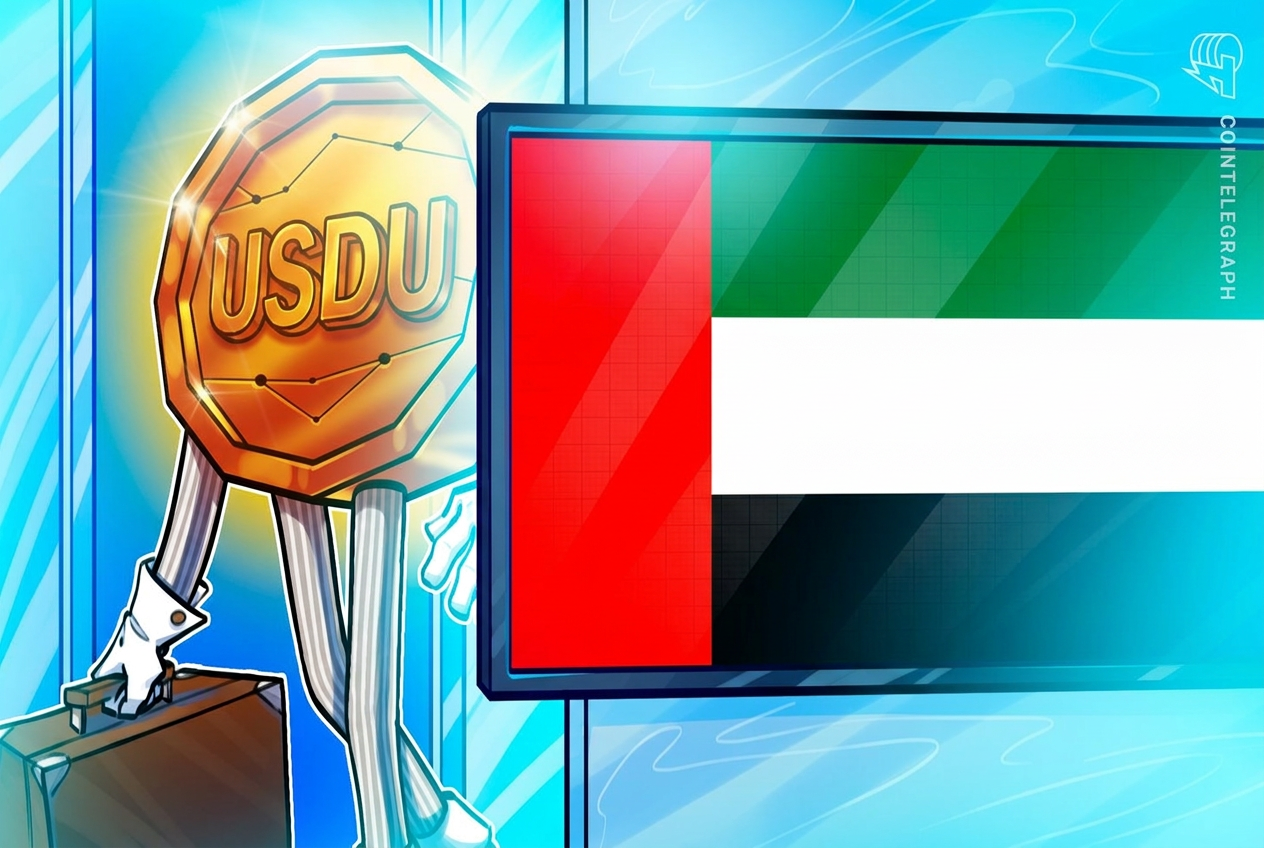
In a significant development that underscores the evolving landscape of digital finance, Bitcoin.com, a prominent provider of self-custodial cryptocurrency solutions, has announced the integration of USDU, the United Arab Emirates' first central bank-registered US dollar stablecoin, into its self-custodial wallet. This strategic move is not merely an expansion of stablecoin options but represents a pivotal moment in the industry, signaling a concerted effort to marry robust regulatory frameworks with the ethos of individual control inherent in self-custody.
The integration expands USDU's distribution significantly, moving it beyond its initial institutional channels directly into the hands of a global user base committed to decentralized finance. For Bitcoin.com users, this means direct access to a stablecoin backed by a nation known for its progressive stance on digital assets, potentially offering a new layer of trust and regulatory assurance previously less common in the purely decentralized realm.
Bitcoin.com's Strategic Vision: Empowering the Self-Custodial Future
Bitcoin.com has long been a staunch advocate for self-custody, empowering millions of users worldwide to manage their digital assets without reliance on intermediaries. By integrating USDU, the platform reaffirms its commitment to providing diverse, secure, and now, increasingly regulated options for its user base. This decision aligns with a broader industry trend where regulatory clarity is becoming a key differentiator, even within the decentralized space.
For Bitcoin.com, adding USDU is a strategic play. It diversifies its stablecoin offerings beyond the widely adopted Tether (USDT) and USD Coin (USDC), catering to users who might prioritize a stablecoin with direct central bank oversight and a clear jurisdictional backing. This could attract a new segment of users seeking regulated options while retaining full control over their funds, thereby strengthening Bitcoin.com’s position as a versatile and forward-thinking wallet provider in an increasingly competitive market.
USDU: A Beacon of Regulated Stability from the UAE
USDU stands out in the crowded stablecoin market primarily due to its unique regulatory provenance. As the UAE’s first central bank-registered US dollar stablecoin, it carries the implicit endorsement and oversight of one of the world's most dynamic and crypto-friendly financial hubs. This registration is a powerful signal of legitimacy and stability, differentiating USDU from many other stablecoins that operate under less defined or evolving regulatory environments.
The move to integrate USDU into a self-custodial wallet signifies a deliberate strategy by its issuer to build robust distribution beyond institutional participants. By enabling individual users to hold and transact with USDU directly, the stablecoin significantly broadens its utility and potential for widespread adoption, particularly within the MENA region and among users globally who value regulatory compliance and transparency. This initiative positions USDU not just as another stablecoin, but as a bridge between traditional financial regulation and the innovation of decentralized finance.
The UAE's Ascendance as a Global Crypto Powerhouse
The emergence and increasing prominence of USDU are emblematic of the UAE's broader ambition to become a global leader in the digital asset space. The Emirates have strategically cultivated an environment conducive to crypto innovation, attracting major exchanges, fintech companies, and blockchain projects through clear regulatory frameworks, supportive government initiatives, and a forward-thinking economic vision.
A central bank-registered stablecoin like USDU emanating from the UAE is a testament to this proactive approach. It demonstrates that the nation is not merely accommodating crypto but actively shaping its future, providing foundational infrastructure that combines innovation with robust oversight. This commitment to regulatory clarity instills confidence among investors and users, further cementing the UAE's reputation as a secure and progressive hub for digital assets and blockchain technology.
Implications for Users and the Broader Stablecoin Market
This integration carries several significant implications. For individual users of the Bitcoin.com wallet, it offers a new, regulated alternative to existing stablecoins, potentially appealing to those with higher risk aversion or a preference for assets backed by established governmental frameworks. It provides diversification, reducing reliance on any single stablecoin issuer and mitigating concentration risk within their portfolios. Furthermore, for users operating within or dealing with entities in the UAE, USDU could offer seamless, compliant transactions.
On a broader market level, this development intensifies competition within the stablecoin sector. The success of USDU in gaining traction via self-custodial wallets could inspire other jurisdictions to develop their own central bank-registered stablecoins, fostering a new era of regulated, jurisdiction-specific digital currencies. This trend could lead to a more fragmented yet more robust stablecoin ecosystem, where users have a wider choice of options tailored to their specific regulatory comfort levels and regional needs. It also validates the model where regulated entities can successfully distribute their digital assets through decentralized, self-custodial channels.
Navigating Challenges and Charting Future Prospects
While the integration marks a significant step, USDU will still face the challenge of competing with established giants like USDT and USDC, which benefit from deep liquidity and widespread integration across numerous platforms. Building comparable network effects and user familiarity will require sustained effort. However, its unique regulatory backing and strategic distribution through platforms like Bitcoin.com give it a distinct advantage.
Looking ahead, the success of USDU could pave the way for more regulated stablecoins to enter the self-custody space. This could accelerate the mainstream adoption of digital assets by providing options that resonate with traditional finance's emphasis on oversight and stability, while retaining the core benefits of blockchain technology. The collaboration between a self-custodial pioneer like Bitcoin.com and a regulated asset like USDU is a blueprint for how the digital asset industry can evolve, blending decentralization with institutional trust to unlock new use cases and broader participation.
Conclusion: A Harmonized Future for Digital Assets
The integration of USDU into the Bitcoin.com self-custodial wallet is more than just a product update; it is a profound statement about the future direction of the crypto industry. It exemplifies a growing trend where regulatory frameworks, often seen as antithetical to decentralization, are instead being leveraged to build trust and expand the reach of digital assets. By bringing a central bank-registered stablecoin into the self-custodial realm, this move sets a precedent for how innovation and compliance can coalesce, promising a more secure, accessible, and ultimately, more harmonized future for global digital finance.