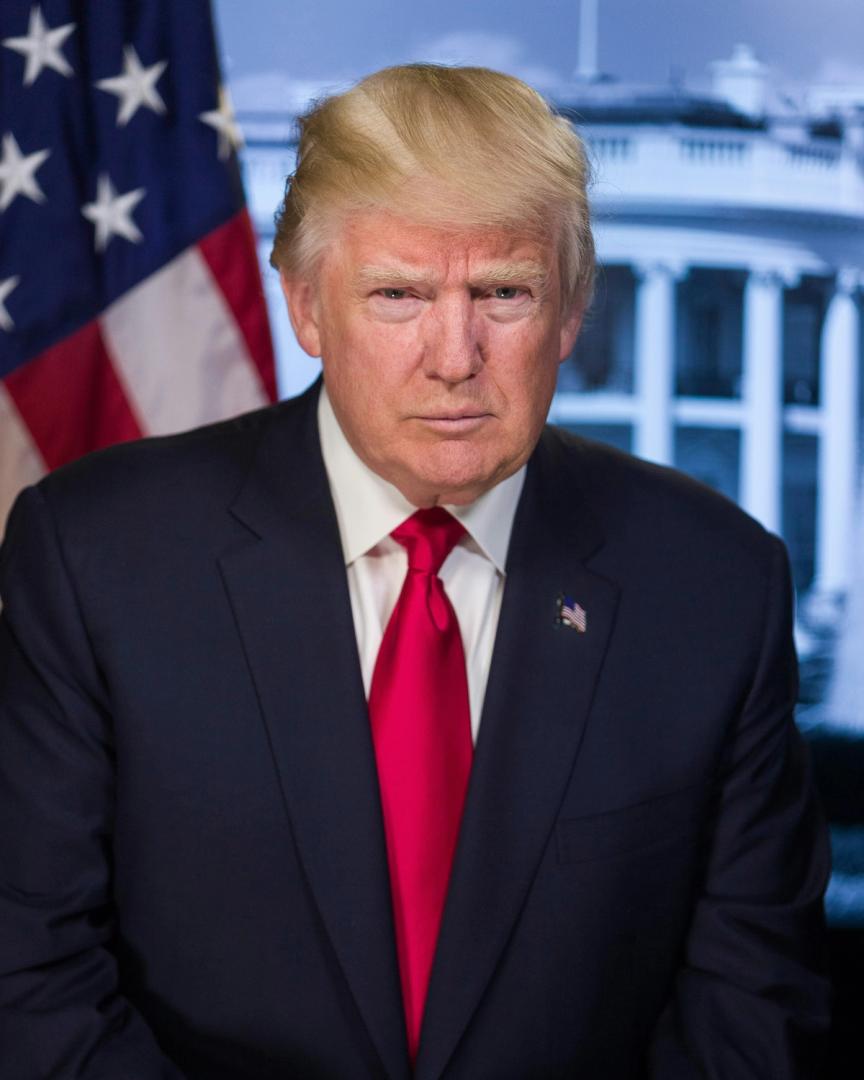
The Diplomatic Breakthrough and Bitcoin's Immediate Response
President Trump's unexpected late-Saturday announcement, revealing a "largely negotiated" peace agreement between the United States, Iran, and other nations, sent ripples across global financial markets. While traditional assets reacted predictably, it was Bitcoin's swift and significant upward trajectory that captured the crypto world's attention. As a senior crypto analyst, this development demands a closer look into how geopolitical de-escalation impacts the nascent digital asset class and redefines Bitcoin's increasingly complex role in the global financial landscape.
"An Agreement has been largely negotiated, subject to finalization between the United States of America, the Islamic Republic of Iran, and the various other Countries," President Trump declared, signaling a potential end to prolonged tensions in one of the world's most volatile regions. The news, coming unexpectedly, immediately injected a wave of optimism into markets. Gold, a traditional safe-haven asset, saw a modest pullback, reflecting reduced geopolitical risk. Oil prices, sensitive to Middle Eastern stability, also saw initial adjustments. However, Bitcoin, often a bellwether for market sentiment and increasingly viewed through multiple lenses, headed decisively higher. This immediate reaction suggests a prevailing "risk-on" sentiment taking hold, where capital flows away from defensive positions and towards growth-oriented, higher-beta assets.
Bitcoin's Evolving Narrative: Digital Gold or Risk Asset?
For years, Bitcoin has been debated for its dual identity: a digital safe haven, or "digital gold," offering a hedge against inflation and geopolitical instability, and simultaneously, a high-growth, speculative technology asset. This latest event provides compelling evidence that, in the current macro environment, Bitcoin's correlation with risk assets is strengthening. A reduction in global uncertainty and the prospect of greater stability, particularly in a region as strategically vital as the Middle East, typically emboldens investors to seek higher returns. In such scenarios, assets perceived as growth-oriented, like tech stocks or emerging markets, tend to thrive. Bitcoin's rally here indicates it's being increasingly classified in the latter category by a significant portion of the market, at least in the short to medium term. The narrative of "digital gold" might see less emphasis when traditional geopolitical risks subside, shifting focus to its potential as a disruptive technology and a store of value in an improving global economy.
Macroeconomic Tailwinds and Institutional Flow
Beyond the immediate risk-on reaction, a significant geopolitical de-escalation event can have profound macroeconomic implications. Reduced tensions foster greater global trade, lower energy price volatility, and potentially, decreased defense spending. This creates a more stable, predictable environment conducive to long-term investment and economic growth. For the cryptocurrency market, this stability is a critical catalyst for institutional adoption. Large institutional investors, hedge funds, and sovereign wealth funds often operate with stringent risk mandates. Geopolitical uncertainty is a major deterrent. A substantial peace agreement could significantly lower the perceived systemic risk associated with global markets, making allocations to nascent, high-potential asset classes like Bitcoin more palatable. As institutional floodgates inch open, increased liquidity and demand would provide a robust fundamental tailwind for Bitcoin's price appreciation.
The "Largely Negotiated" Caveat and Future Volatility
It is crucial, however, to contextualize President Trump's announcement. The phrase "largely negotiated, subject to finalization" introduces an element of caution that senior analysts cannot ignore. A preliminary agreement, while positive, is not a finalized treaty. History is replete with examples of seemingly resolved diplomatic efforts collapsing at the eleventh hour. Should the finalization process hit roadblocks, or should the intricate details prove contentious, market sentiment could swiftly reverse. Bitcoin, known for its volatility, would likely react sharply to any signs of renewed tension or diplomatic failure. Investors should remain vigilant, understanding that while the current momentum is bullish, the path to a fully ratified peace agreement may still hold significant hurdles. This inherent uncertainty provides opportunities for both upside and downside price action, making sophisticated risk management paramount.
Technical Outlook and Price Implications
From a technical perspective, the surge positions Bitcoin favorably, breaking it out of recent consolidation patterns and testing new resistance levels. The momentum created by such a powerful fundamental catalyst often attracts new capital, reinforcing the upward trend. Key levels to watch would be sustained trading above recent highs, signaling robust bullish sentiment. Conversely, a failure to hold these levels on any subsequent negative news could indicate a lack of conviction, returning it to previous trading ranges. The volume accompanying this move will be crucial; high volume on the rally would suggest strong institutional and retail participation, lending credibility to the upward trajectory.
Conclusion
President Trump's announcement of a largely negotiated Iran peace agreement represents a significant geopolitical event with far-reaching implications for global markets, and notably, for Bitcoin. While the immediate reaction signals Bitcoin's growing role as a beneficiary of risk-on sentiment in a de-escalating world, its evolving narrative continues to be a subject of intense scrutiny. This event underscores the interconnectedness of geopolitics and digital asset markets. As institutions become more comfortable with crypto, and as global stability potentially improves, Bitcoin's journey from niche asset to mainstream financial instrument appears to be accelerating, albeit with the inherent volatility and diplomatic uncertainties that still lie ahead. Investors should monitor both the geopolitical developments and Bitcoin's price action closely, understanding that while peace may indeed be a boon, finalization is key.