Bitcoin's Geopolitical Ascendance: Trump's Iran Peace Deal Sparks a Bullish Reassessment
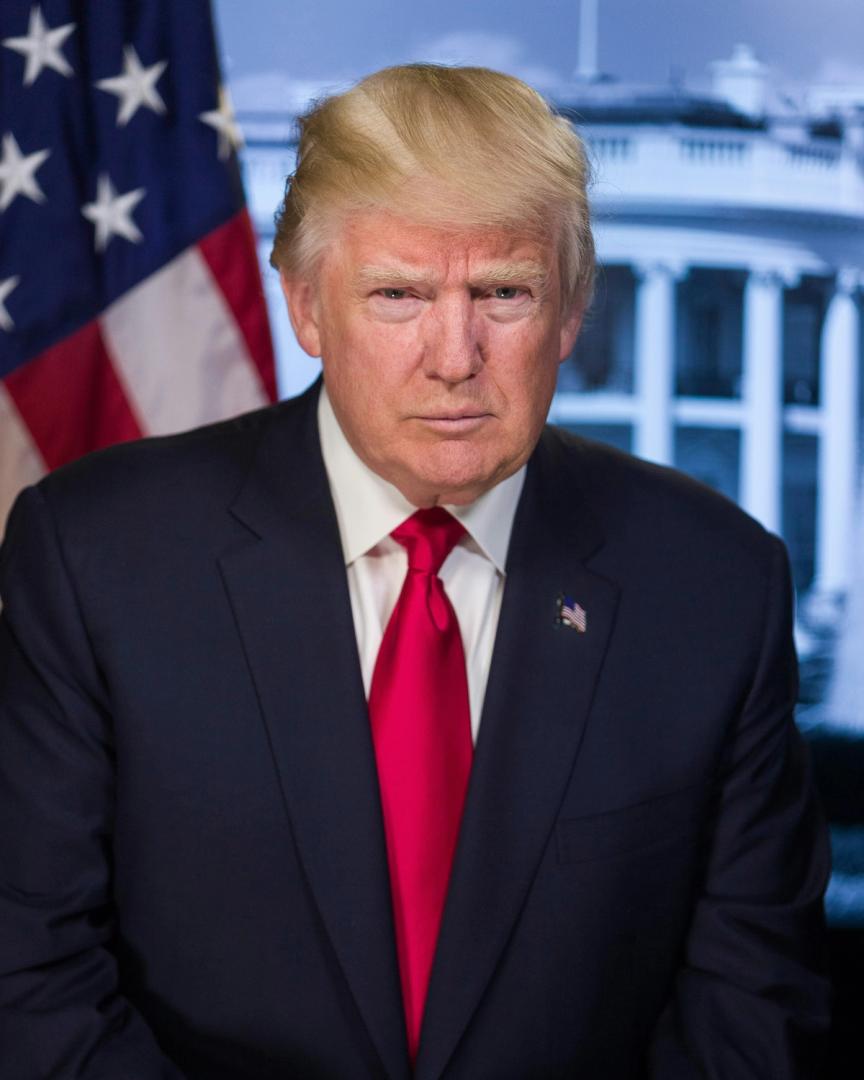
The cryptocurrency market, often characterized by its inherent volatility and unique drivers, witnessed a significant upward movement in Bitcoin's price following a surprising announcement from President Donald Trump. Late Saturday afternoon, President Trump declared that "An Agreement has been largely negotiated, subject to finalization between the United States of America, the Islamic Republic of Iran, and the various other Countries." This unexpected diplomatic breakthrough, signaling a potential de-escalation of long-standing tensions in the Middle East, almost immediately correlated with a noticeable uptick in Bitcoin's valuation. As senior crypto analysts, we must delve beyond the surface to understand the intricate web of geopolitical stability, macroeconomics, and investor sentiment that likely contributed to Bitcoin's rally in the wake of this pivotal global development.
The Geopolitical Context: A Shift in Global Dynamics
For years, the relationship between the United States and Iran has been a source of significant global instability, impacting everything from oil prices and shipping lanes to regional power dynamics. The specter of conflict, or at least continued antagonism, has hung heavy over international relations, prompting investors to seek safe havens or brace for potential disruptions. President Trump's announcement, even if preliminary, represents a dramatic pivot. A peace agreement, should it materialize, would fundamentally alter the risk landscape, potentially unlocking economic opportunities, stabilizing energy markets, and fostering a broader sense of global calm. This reduction in systemic geopolitical risk has far-reaching implications, not just for traditional financial markets but increasingly for nascent asset classes like cryptocurrency.
Bitcoin's Evolving Role: From Niche Tech to Macro Asset
Bitcoin's narrative has matured considerably since its inception. Initially perceived primarily as a peer-to-peer digital cash system, it has steadily gained traction as "digital gold," a hedge against inflation and economic uncertainty, and more recently, as a high-beta growth asset responsive to broader market liquidity. The reaction to the Iran peace news provides a fascinating case study in its evolving identity. When geopolitical tensions are high, Bitcoin has at times acted as a flight-to-safety asset, attracting capital seeking refuge from traditional systems or fiat currency devaluation. Conversely, a reduction in global risk, as signaled by a major peace deal, can pivot investor sentiment towards "risk-on" assets, where Bitcoin, with its decentralized nature and potential for rapid appreciation, can also thrive. This duality underscores its complex positioning within the global financial ecosystem.
One perspective suggests that a more stable geopolitical environment fosters greater confidence in global trade and investment, encouraging capital flows into assets perceived to have significant upside potential. Bitcoin, with its finite supply and growing institutional interest, fits this description. Furthermore, a decline in demand for traditional safe havens like physical gold might see some capital reallocated to its digital counterpart, especially among younger, tech-savvy investors. The announcement from President Trump may have thus served as a catalyst, prompting a re-evaluation of risk premiums across various asset classes and nudging investors towards growth-oriented plays, including Bitcoin.
Investor Psychology and Market Dynamics
The immediate surge in Bitcoin's price following the announcement is indicative of how quickly global news can be priced into highly liquid and globally traded assets. Investor psychology plays a crucial role here. The market abhors uncertainty, and a significant reduction in geopolitical uncertainty, especially regarding a flashpoint like Iran, is generally perceived as bullish. For Bitcoin, which often trades with higher volatility and responsiveness to macro shifts than traditional equities, this sentiment can translate into rapid price movements.
The "fear and greed" index in crypto often swings wildly. A major peace agreement injects a dose of optimism into the market, potentially shifting the dial from fear to greed. This can trigger a cascade of buying activity, from retail investors reacting to headlines to institutional players adjusting their portfolio allocations based on revised global risk assessments. Moreover, the 24/7 nature of crypto markets means that such news can be acted upon almost instantaneously, unlike traditional markets which might wait for opening bells.
Beyond Geopolitics: A Holistic View
While President Trump's announcement provides a compelling immediate catalyst, it is crucial for a senior analyst to consider other concurrent factors influencing Bitcoin's trajectory. The broader macroeconomic landscape, including global liquidity levels, interest rate expectations, and inflation concerns, continues to shape investor behavior. Bitcoin's halving events, network developments, increasing institutional adoption, and regulatory clarity (or lack thereof) also contribute to its long-term valuation.
The peace agreement, therefore, might be viewed as a powerful accelerant within an already potentially bullish environment for Bitcoin. It serves as a stark reminder of Bitcoin's growing sensitivity to macro-geopolitical events, solidifying its position as a significant global asset rather than merely an isolated technological phenomenon. Its ability to react swiftly to major international news underscores its integration into the broader financial world, where it is increasingly being weighed against traditional assets in portfolio construction.
Conclusion: Bitcoin's Enhanced Role in a Shifting World Order
The correlation between President Trump's announcement of a negotiated Iran peace agreement and Bitcoin's subsequent price surge is more than just a fleeting coincidence; it's a testament to Bitcoin's evolving maturity and its increasing sensitivity to global macro-geopolitical shifts. As the world navigates complex political and economic landscapes, Bitcoin is solidifying its position as an asset that can respond both as a potential hedge during times of uncertainty and as a beneficiary of renewed optimism and risk appetite. This event highlights Bitcoin's growing integration into mainstream financial discourse and its capacity to react dynamically to significant global developments. For investors, it underscores the importance of a holistic understanding of global affairs when assessing the future trajectory of digital assets. While "finalization" of the agreement remains, the initial market reaction provides a fascinating glimpse into Bitcoin's enhanced role in a rapidly shifting world order.