Bitcoin's Ascent: A Macroeconomic Rebound
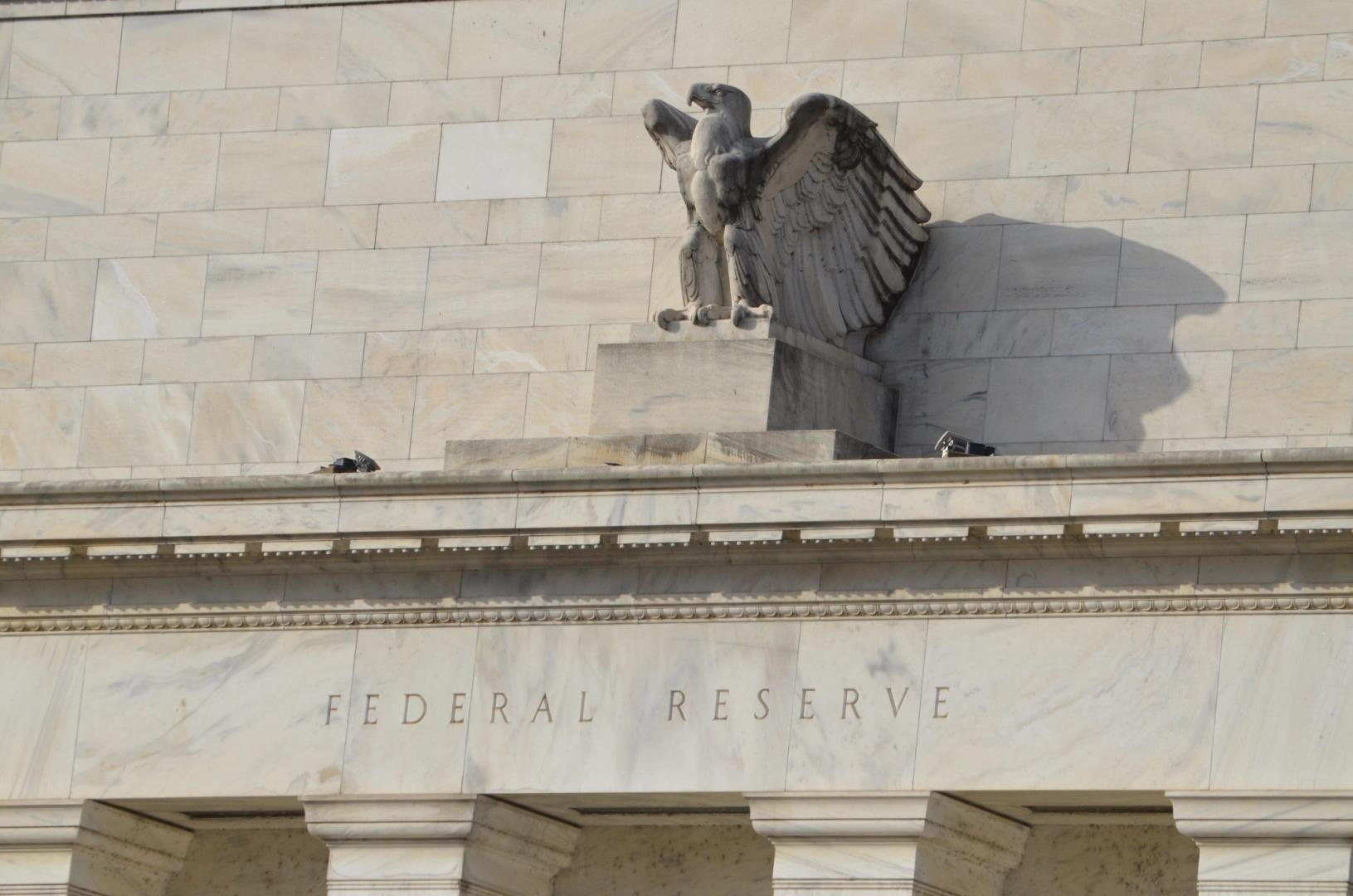
Bitcoin, the world's leading cryptocurrency, has once again captivated market attention, surging towards the critical $65,000 mark. This impressive rally is not merely a reflection of internal crypto market dynamics but is primarily driven by a significant shift in the global macroeconomic landscape. The catalyst? Recent U.S. inflation data that has drastically altered expectations for the Federal Reserve's monetary policy, effectively gutting the aggressive rate-hike trade that has characterized much of the past year. As a Senior Crypto Analyst, I observe this as a pivotal moment, signaling a potential new phase for risk assets, with Bitcoin leading the charge.
The CPI Print: A Game Changer for Fed Expectations
The latest June Consumer Price Index (CPI) print delivered a pleasant surprise to markets, showing a notable cooling in inflation. This data point immediately rippled through financial markets, fundamentally recalibrating investor sentiment regarding the Federal Reserve's future actions. Prior to this release, the probability of further rate hikes stood at a significant 43%; post-CPI, these odds plummeted to a mere 13%. This dramatic reduction underscores a growing belief that the Fed may be nearing the end of its tightening cycle, or at least adopting a significantly less hawkish stance. The phrase 'guts the Fed rate-hike trade' perfectly encapsulates this shift: it implies that the market's previous conviction in sustained aggressive tightening, which boosted bond yields and suppressed risk assets, has been largely nullified. Investors are now keenly watching the upcoming September Federal Open Market Committee (FOMC) meeting, viewing it as a potential inflection point for monetary policy.
Why Cooling Inflation Fuels Bitcoin's Rally
The inverse relationship between interest rates and non-yielding assets like Bitcoin is well-documented. When inflation is high and central banks are forced to raise rates, the cost of capital increases, making riskier assets less attractive. Conversely, when inflation cools and the prospect of higher rates diminishes, the opportunity cost of holding non-yielding assets decreases, boosting their appeal. This scenario creates a more favorable environment for Bitcoin for several key reasons. Firstly, a less hawkish Fed implies a potential loosening of financial conditions, increasing overall market liquidity. This liquidity often seeks higher returns, finding its way into growth-oriented and speculative assets like cryptocurrencies. Secondly, the reduction in rate hike expectations can lead to a softening of the U.S. dollar, which historically has an inverse correlation with Bitcoin's price. A weaker dollar makes Bitcoin comparatively cheaper for international buyers, further stoking demand.
The Broader Impact: Risk-On Sentiment Returns
This macroeconomic pivot extends beyond just Bitcoin. It signifies a broader return of 'risk-on' sentiment across global markets. As the fear of an aggressive Fed-induced recession recedes, investors are increasingly willing to allocate capital to assets perceived as having higher growth potential. For the crypto ecosystem, this means a rising tide could lift all boats, with altcoins likely to follow Bitcoin's lead. Beyond the immediate macro drivers, the crypto market is also anticipating other significant events, such as the upcoming Bitcoin halving and persistent speculation around spot Bitcoin ETFs. While these internal drivers provide foundational support, the current surge is undeniably amplified by the overarching macroeconomic narrative. The perception that central banks may achieve a 'soft landing' for the economy—taming inflation without triggering a deep recession—is incredibly bullish for assets like Bitcoin, which thrive in environments of economic expansion and abundant liquidity.
Navigating Potential Headwinds and the Road Ahead
While the immediate outlook for Bitcoin appears bullish, it is crucial for a senior analyst to consider potential headwinds. Inflation, while cooling, could prove sticky or re-accelerate due to unforeseen geopolitical events or supply chain disruptions. The Fed, despite current expectations, could still surprise markets with a more hawkish stance if future data warrants it. Additionally, regulatory uncertainties continue to loom over the crypto space, particularly in key jurisdictions. Therefore, while the recent CPI print provides significant tailwinds, investors must remain vigilant and monitor subsequent economic data releases, particularly future CPI prints, employment figures, and, crucially, the Fed's commentary from the September FOMC meeting and beyond. Any signs of inflation re-igniting or a hawkish pivot from central banks could quickly reverse current market sentiment.
Conclusion: A New Chapter for Bitcoin and Macro Convergence
Bitcoin's rapid ascent towards $65,000 is a compelling testament to the increasing influence of macroeconomic factors on the cryptocurrency market. The cooling of U.S. inflation and the consequent dismantling of aggressive Fed rate-hike expectations have created an undeniably bullish environment for risk assets. As institutional adoption continues to grow and Bitcoin further integrates into the global financial fabric, its sensitivity to central bank policies and economic indicators will only intensify. The current moment represents a critical juncture, where Bitcoin's price action is directly reflecting the broader economic narrative. For investors, understanding this intricate dance between macroeconomics and digital assets is no longer optional but essential for navigating the evolving crypto landscape. The market now awaits the Fed's next move, hoping for confirmation that the era of aggressive tightening is indeed nearing its end, paving the way for continued growth in the digital asset space.