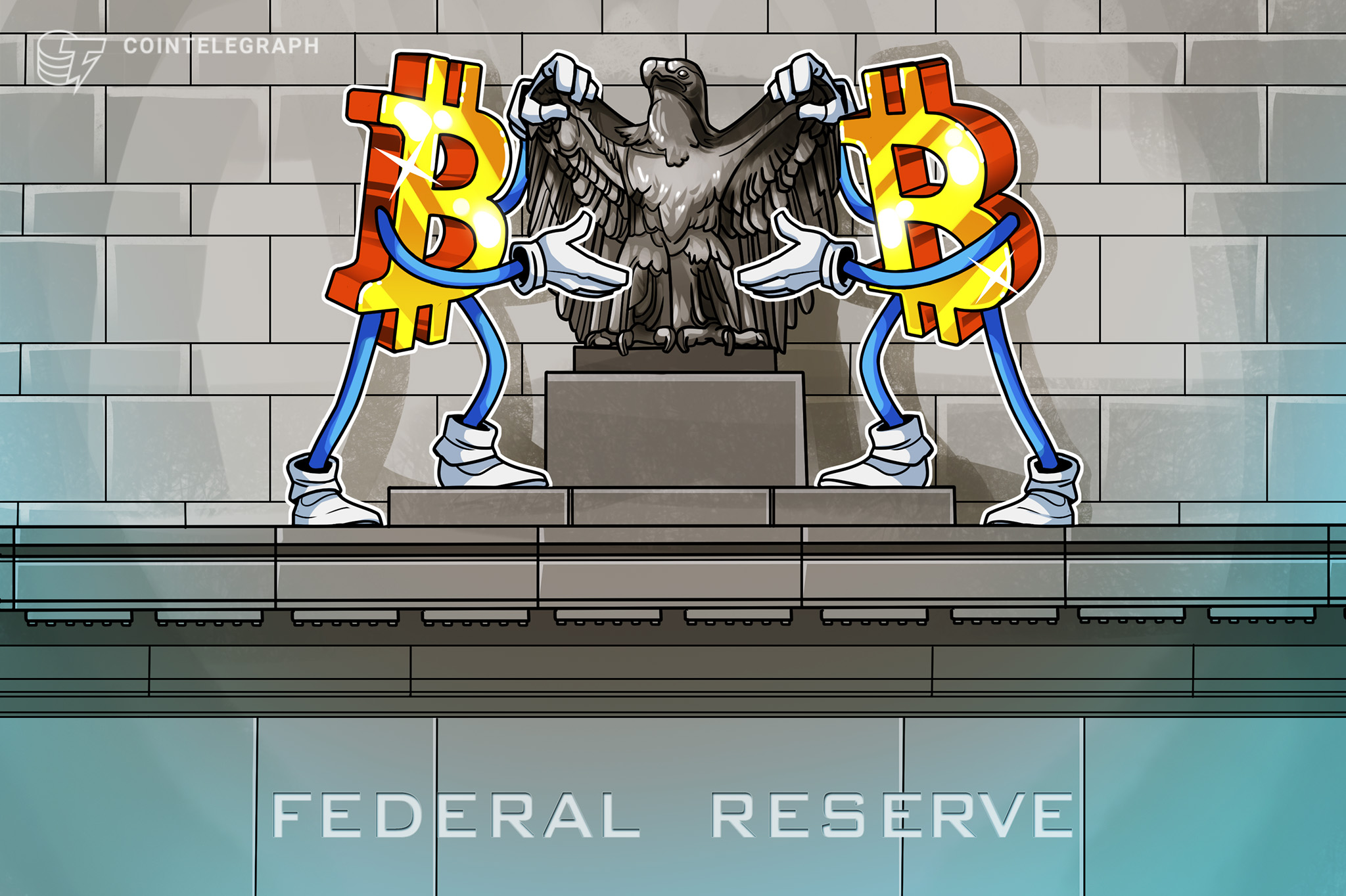
Bitcoin's Retreat: A Macro-Economic Reality Check
Bitcoin (BTC) recently experienced a notable pullback, dipping to approximately $78,400 after failing to decisively breach the psychologically significant $80,000 resistance level. This market movement wasn't an isolated event but a direct consequence of macroeconomic factors, primarily driven by Federal Reserve Chair Kevin Warsh's keynote speech at the highly anticipated Jackson Hole Symposium. Warsh's commentary, which conveyed a sustained wariness regarding US inflation trends and downplayed recent softer inflation prints, sent ripples through risk asset markets, highlighting the deep interconnectedness between traditional monetary policy and the nascent digital asset economy.
For weeks, crypto traders had watched Bitcoin's ascent with cautious optimism, eyeing the $80,000 mark as a critical threshold. A successful breach was widely anticipated to trigger further upside momentum, potentially paving the way for new all-time highs. However, Warsh's remarks served as a potent reminder that the macroeconomic headwinds that have buffeted risk assets over the past year are far from dissipated. His speech underscored the Fed's commitment to its inflation-fighting mandate, even if it means prolonged periods of restrictive monetary policy.
Warsh's Jackson Hole Address: A Hawk's Persistent Gaze
The Jackson Hole Economic Symposium is a pivotal annual event where central bankers, finance ministers, academics, and financial market participants convene to discuss long-term economic issues. Speeches from Fed Chairs often set the tone for market expectations regarding future monetary policy. Chairman Warsh's address this year was particularly crucial, given the ongoing debate about whether the Fed is nearing the end of its tightening cycle.
His central message, that the Fed remains 'wary' of US inflation trends and is inclined to 'downplay' recent softer prints, suggests a continued hawkish bias. What does this mean in practice? It implies that the Federal Reserve is not yet convinced that inflation is on a sustainable path back to its 2% target. While some headline inflation figures may have shown moderation, core inflation, particularly in the services sector, often remains stubbornly high. Warsh's stance signals that the central bank is prepared to maintain higher interest rates for longer, or even implement further hikes, to ensure inflation is fully tamed. This 'higher for longer' narrative is fundamentally bearish for risk assets, including Bitcoin.
The Macro-Crypto Nexus: Why Fed Policy Matters for Bitcoin
The immediate impact of Warsh's speech on Bitcoin illustrates a crucial dynamic: the digital asset market, once thought to be decoupled from traditional finance, is increasingly sensitive to global monetary policy. When central banks pursue restrictive policies, several mechanisms weigh on assets like Bitcoin:
Firstly, there's the increased opportunity cost. Higher interest rates make traditional, less risky investments (like bonds or high-yield savings accounts) more attractive. This increases the opportunity cost of holding non-yield-bearing assets such as Bitcoin, prompting some investors to rotate capital out of crypto in search of safer, guaranteed returns.
Secondly, reduced liquidity often accompanies a hawkish Fed. Tighter financial conditions can lead to a contraction in overall market liquidity. Less liquidity typically means less capital available for speculative investments, impacting risk assets disproportionately as capital becomes scarcer and more expensive to deploy.
Thirdly, persistent concerns about inflation and the potential for a recession (due to aggressive rate hikes) foster a widespread 'risk-off' sentiment. In such scenarios, investors tend to reduce exposure to volatile assets and seek safety in cash or government bonds, further pressuring cryptocurrencies.
Finally, while Bitcoin's valuation model differs from traditional equities, the broader sentiment still plays a role. For growth assets, particularly those whose future value is discounted back to the present, higher discount rates (a direct result of higher interest rates) depress current valuations. These factors collectively create an environment less conducive to significant upward movements in Bitcoin and other cryptocurrencies.
The $80,000 Battleground: A Technical and Psychological Hurdle
Bitcoin's failure to convert $80,000 from a resistance level into a support level is technically significant. Round numbers often act as psychological barriers in financial markets, attracting both profit-taking by short-term traders and selling pressure from those anticipating a reversal. For weeks, the market had built up anticipation around this level, and its inability to break through, especially under the weight of macro news, signals a potential weakening of immediate bullish sentiment.
From a technical analysis perspective, a clear rejection from a major resistance level can often precede a period of consolidation or a deeper correction. The current dip suggests that the market may need more time, or a more compelling bullish catalyst, to overcome this formidable barrier. Traders will now be watching key support levels below $78,400 to gauge the extent of any further retracement, with a focus on areas where buying interest might emerge to prevent a sharper decline.
Beyond Jackson Hole: The Path Forward for Bitcoin
While Warsh's speech provided a dose of reality, the Bitcoin market is not solely dictated by a single event. Other factors will continue to influence its trajectory:
Upcoming Inflation Data: Future CPI and PCE inflation reports will be critical. Any significant moderation in these figures could shift the Fed's stance, potentially leading to a more dovish outlook.
Employment Figures: A robust labor market gives the Fed more room to be aggressive with rate hikes. Conversely, weakening employment could signal economic distress, potentially forcing a pivot in monetary policy.
Regulatory Developments: Continued clarity or significant policy changes in major jurisdictions could profoundly impact institutional adoption and overall market sentiment, either positively or negatively.
Spot ETF Speculation: Persistent speculation and potential approval of a Bitcoin Spot ETF in key markets could provide a strong bullish tailwind by opening the asset to a broader range of traditional investors.
Geopolitical Stability: Global events, from conflicts to trade disputes, always have the potential to influence risk appetite and capital flows, impacting all asset classes, including cryptocurrencies.
As a Senior Crypto Analyst, my outlook suggests continued volatility and sensitivity to macroeconomic data in the short to medium term. Bitcoin's journey towards sustainable growth is intricately intertwined with the broader global economic landscape. Investors should remain vigilant, focusing on robust risk management strategies and understanding that the path to widespread adoption and price stability is rarely linear. The recent dip serves as a powerful reminder that while crypto offers revolutionary potential, it operates within a world still heavily influenced by traditional financial forces, making macro-economic awareness paramount for participants.