Bitcoin Under Pressure: Geopolitics and the $62K Standoff
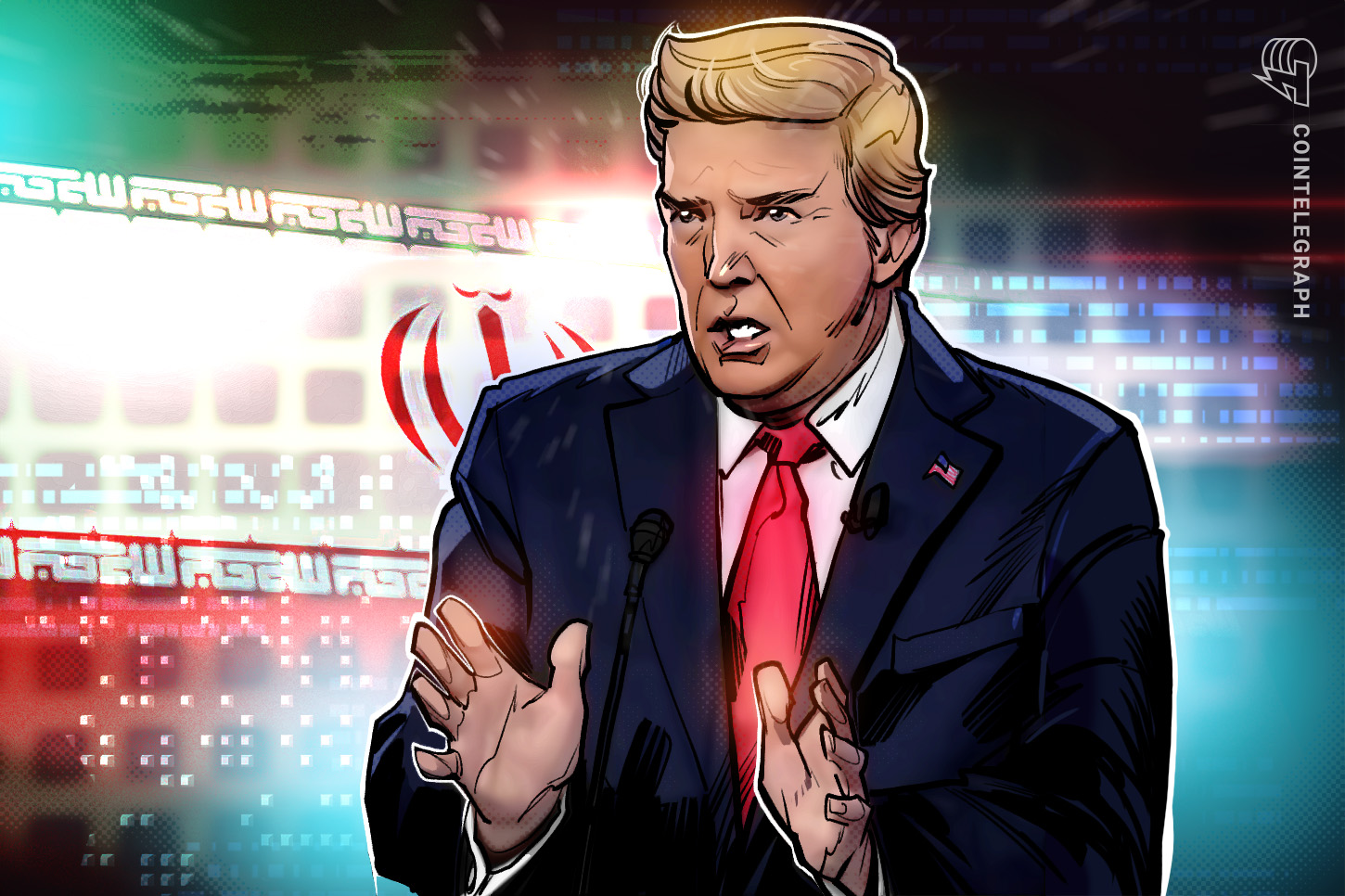
The cryptocurrency market, typically accustomed to its own unique volatility drivers, found itself once again entangled in the broader geopolitical tapestry this week. Bitcoin, the bellwether of the digital asset space, faced an arduous battle to preserve the critical $62,000 support level as traditional financial markets grappled with escalating rhetoric surrounding the Strait of Hormuz. The former US President, Donald Trump, notably stated that the US would 'run' the closed Hormuz Strait, a comment that reverberated across risk assets and signaled a heightened state of geopolitical flux.
This development immediately triggered a 'risk-asset rout,' with global stock markets opening lower and investors scrambling for safer havens. Bitcoin's struggle to maintain its footing amidst this downturn reignited the perennial debate: is Bitcoin a nascent safe-haven asset, or does its high correlation with tech stocks firmly place it in the risk-on category? The immediate price action suggests the latter, at least in the short term, as the market reacted with an unequivocal aversion to perceived higher-risk investments.
The Strategic Significance of the Strait of Hormuz
To fully grasp the magnitude of the market's reaction, one must understand the strategic importance of the Strait of Hormuz. This narrow waterway, situated between the Persian Gulf and the Gulf of Oman, is one of the world's most critical oil chokepoints. Approximately one-fifth of the world's total petroleum consumption, and a significant portion of liquefied natural gas (LNG), passes through this strait daily. Any threat to its free passage, or the potential for military confrontation in the region, sends immediate shockwaves through global energy markets, leading to oil price spikes and, consequently, broad economic uncertainty.
Donald Trump's assertive declaration, even from a private citizen, carries historical weight given his past presidency and hawkish stance on Iran. Such rhetoric, whether intended as a deterrent or a statement of intent, elevates the perceived risk of supply disruptions and military engagement. In turn, this translates into widespread financial market anxiety, prompting investors to divest from assets deemed vulnerable to economic instability or higher energy costs.
Traditional Markets Wobble: The Broader Risk-Off Climate
The immediate consequence of the Hormuz rhetoric was a noticeable downturn in traditional equity markets. Indices across the globe reacted negatively, reflecting investor apprehension. This 'risk-asset rout' is characterized by a flight to quality, where capital shifts from volatile assets like stocks and, seemingly, cryptocurrencies, into more stable instruments such as government bonds (particularly US Treasuries), gold, and the US dollar. The DXY, an index measuring the dollar's strength against a basket of major currencies, often sees a boost in such times of uncertainty.
For Bitcoin, which has increasingly demonstrated correlation with tech-heavy indices like the Nasdaq 100, a downturn in traditional risk assets often foreshadows similar movements in its own price. The struggle to hold $62,000 was not merely a technical battle but a reflection of this broader market sentiment. Large institutional players, who now hold significant Bitcoin allocations, often manage their portfolios holistically, treating Bitcoin as another risk asset in their diversified holdings. When broad market fear dictates a reduction in overall risk exposure, Bitcoin often finds itself on the selling block alongside equities.
Bitcoin's Dual Narrative: Risk-On or Safe Haven?
The ongoing geopolitical friction serves as a poignant reminder of Bitcoin's evolving and often contradictory narratives. Proponents often champion Bitcoin as 'digital gold' – a decentralized, censorship-resistant asset that should serve as a hedge against geopolitical instability, currency debasement, and inflationary pressures. In theory, a crisis that threatens traditional financial systems or fiat currencies should drive demand for Bitcoin.
However, the reality, as evidenced by its recent price action, is more nuanced. Bitcoin's relatively nascent stage as an asset class, coupled with its high volatility and growing institutional adoption alongside equities, means it often behaves more like a growth stock than a traditional safe haven. Its liquidity is still far less than gold or sovereign bonds, and in times of extreme liquidity crunch or margin calls, highly liquid, volatile assets are often among the first to be sold to cover positions.
The $62,000 level itself carries significant technical and psychological importance. It has acted as a key support and resistance zone in recent months. A decisive break below this level could signal further downside potential, testing lower supports, while a successful defense would bolster confidence in its resilience amidst external shocks. On-chain metrics, during such times, would typically show a mix of long-term holders accumulating at lower prices, while short-term speculators might be liquidating positions, contributing to selling pressure.
The Road Ahead: Navigating Geopolitical Headwinds
Looking ahead, the trajectory of Bitcoin and the broader crypto market will likely remain tethered to the evolving geopolitical landscape and global macroeconomic conditions. Any further escalation in the Strait of Hormuz or other flashpoints could exacerbate the risk-off sentiment, pushing Bitcoin further down. Conversely, de-escalation or a return to diplomatic stability could provide a reprieve for risk assets, allowing Bitcoin to recover.
Beyond geopolitics, macroeconomic factors such as inflation data, central bank interest rate policies (particularly from the US Federal Reserve), and the strength of the US dollar will continue to play a crucial role. A hawkish Fed, coupled with high inflation, could further tighten liquidity and dampen investor appetite for speculative assets. However, in the long run, Bitcoin's fundamental value proposition – decentralization, scarcity, and a growing network effect – remains intact. Institutional interest, while capable of contributing to short-term correlation with equities, also underpins a long-term growth narrative.
As senior crypto analysts, we emphasize the need for investors to monitor both technical levels and macro-geopolitical developments closely. While the short-term outlook remains sensitive to external shocks, Bitcoin's journey towards wider adoption and potential safe-haven status is a multi-year process. The current struggle at $62,000 serves as a critical test of its immediate resilience and its evolving relationship with global risk dynamics.