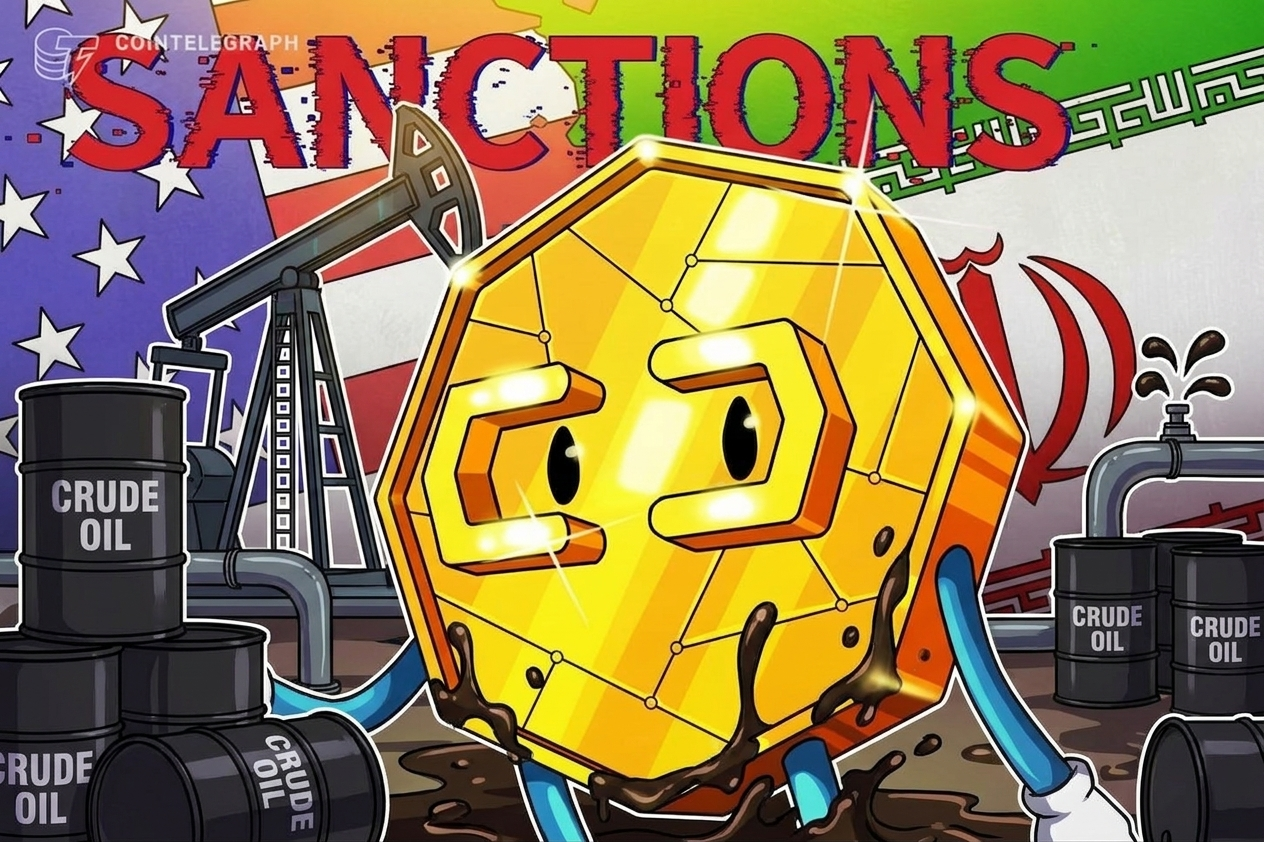
Beyond SWIFT: US Targets Iran's Crypto Network Over $100M in Illicit Oil Sales
The U.S. Treasury's recent expansion of sanctions against Iran's digital asset sector marks a significant escalation in its ongoing economic warfare. This pivotal move, rooted in allegations of a UAE-based broker facilitating over $100 million in crypto payments for sanctioned oil sales, underscores a critical shift in how illicit actors leverage digital finance, and how global powers are adapting enforcement strategies. As a Senior Crypto Analyst, this development demands a close examination of its immediate impact and long-term implications for geopolitical stability and the evolving crypto landscape.
The Context of Persistent Sanctions
Iran has long been subjected to stringent international sanctions, primarily due to its nuclear program, alleged support for regional proxy groups, and human rights abuses. These measures, largely orchestrated by the United States, aim to cripple Iran's economy, especially its oil exports. This limits its access to foreign currency and curtails its ability to fund controversial activities. Historically, sanctions focused on traditional financial channels like SWIFT. However, cryptocurrencies have presented new avenues for evasion, allowing sanctioned entities to circumvent conventional financial bottlenecks and access global markets with greater speed and pseudo-anonymity.
Piercing the Digital Veil: The New Sanctions Specifics
The latest Treasury action directly targets Iran’s increasingly sophisticated use of digital assets. The specific focus on a UAE-based broker, allegedly processing over $100 million in crypto payments for Iranian oil sales, is particularly telling. This highlights several key points:
- Sophistication of Evasion: A structured approach by Iran, leveraging third-party intermediaries in accessible financial hubs.
- Scale of Operations: $100 million is a significant sum, marking crypto as a notable component of Iran’s evasion toolkit.
- Targeted Enforcement: The US Treasury demonstrates enhanced capability to identify and track digital flows, targeting specific actors.
- Jurisdictional Reach: Sanctions extend globally to any entity aiding such transactions, underscoring universal OFAC regulations.
Cryptocurrencies, with their pseudo-anonymous nature, speed, and borderless transactions, offer a compelling alternative to traditional financial systems for sanctioned entities. They facilitate value transfer without direct reliance on regulated banks susceptible to SWIFT de-platforming or direct US financial pressure.
Implications for Iran's Economic Resilience
For Iran, these expanded sanctions will intensify economic pressure. While the country has shown ingenuity in circumventing sanctions for decades, targeting crypto avenues closes another escape route. This move will make it harder and more expensive for Iran to sell oil and acquire hard currency. The risk for potential partners, even in seemingly crypto-friendly jurisdictions, will escalate dramatically. This could force Iran towards even more opaque or less liquid means of exchange, potentially driving down the effective price for its oil and further isolating its financial ecosystem.
The Ripple Effect on the Global Crypto Ecosystem
This development carries significant implications far beyond Tehran, shaping the future trajectory of digital asset regulation and adoption:
- Intensified Regulatory Scrutiny: Expect stricter global KYC/AML frameworks for digital assets. Centralized exchanges and service providers will face heightened demands for compliance and monitoring. Jurisdictions like the UAE will see renewed oversight calls.
- Elevated Compliance Burden for CEXs and Brokers: Crucial fiat-to-crypto on/off-ramps face existential threats if facilitating sanctioned transactions. This means more sophisticated monitoring, enhanced client due diligence, and stricter geographic restrictions.
- Decentralization vs. Centralization Dilemma: While crypto champions decentralization, much volume flows through centralized entities vulnerable to state pressure. This highlights the tension: truly decentralized protocols are hard to police, but entry/exit points to traditional finance remain critical chokepoints.
- Advancements in Blockchain Analytics: This sanction expansion attests to growing sophistication. Tools tracing transactions, identifying wallets, and de-anonymizing actors are increasingly powerful. Connecting crypto flows to real-world entities demonstrates a significant investigative leap, making illicit activity harder to hide.
- Geopolitical Weaponization of Crypto: Crypto is now a new front in geopolitical conflicts. Digital assets are integrated into financial surveillance, similar to SWIFT's weaponization. Expect more targeted actions against sanctioned nations leveraging crypto.
Challenges and the Path Forward
Despite advancements in blockchain forensics, the cat-and-mouse game between sanction evaders and enforcement agencies will continue. Actors seeking to circumvent restrictions will innovate, adopting new privacy-enhancing technologies, mixing services, or moving to less transparent networks. For enforcement agencies, the challenge is staying ahead of these technological shifts while maintaining an efficient and globally coordinated response. International cooperation among financial intelligence units and law enforcement agencies is paramount.
Conclusion
The US Treasury's latest sanctions against Iran's crypto sector are a landmark moment, signaling digital assets are fully integrated into global financial enforcement. This move reinforces that while crypto offers financial freedom, it comes with intense scrutiny. For the crypto industry, it’s a critical reminder of the non-negotiable need for robust compliance. For nation-states like Iran, it signifies a narrowing window to exploit the digital realm for illicit finance. The ongoing battle between financial surveillance and digital anonymity continues, with this latest salvo favoring regulation and oversight. The long-term trajectory points towards a future where digital finance balances innovation with security, preventing illicit activities under an increasingly watchful eye.