Base's Sequencer Flaw: A Deep Dive into Back-to-Back Outages and the Future of L2 Reliability
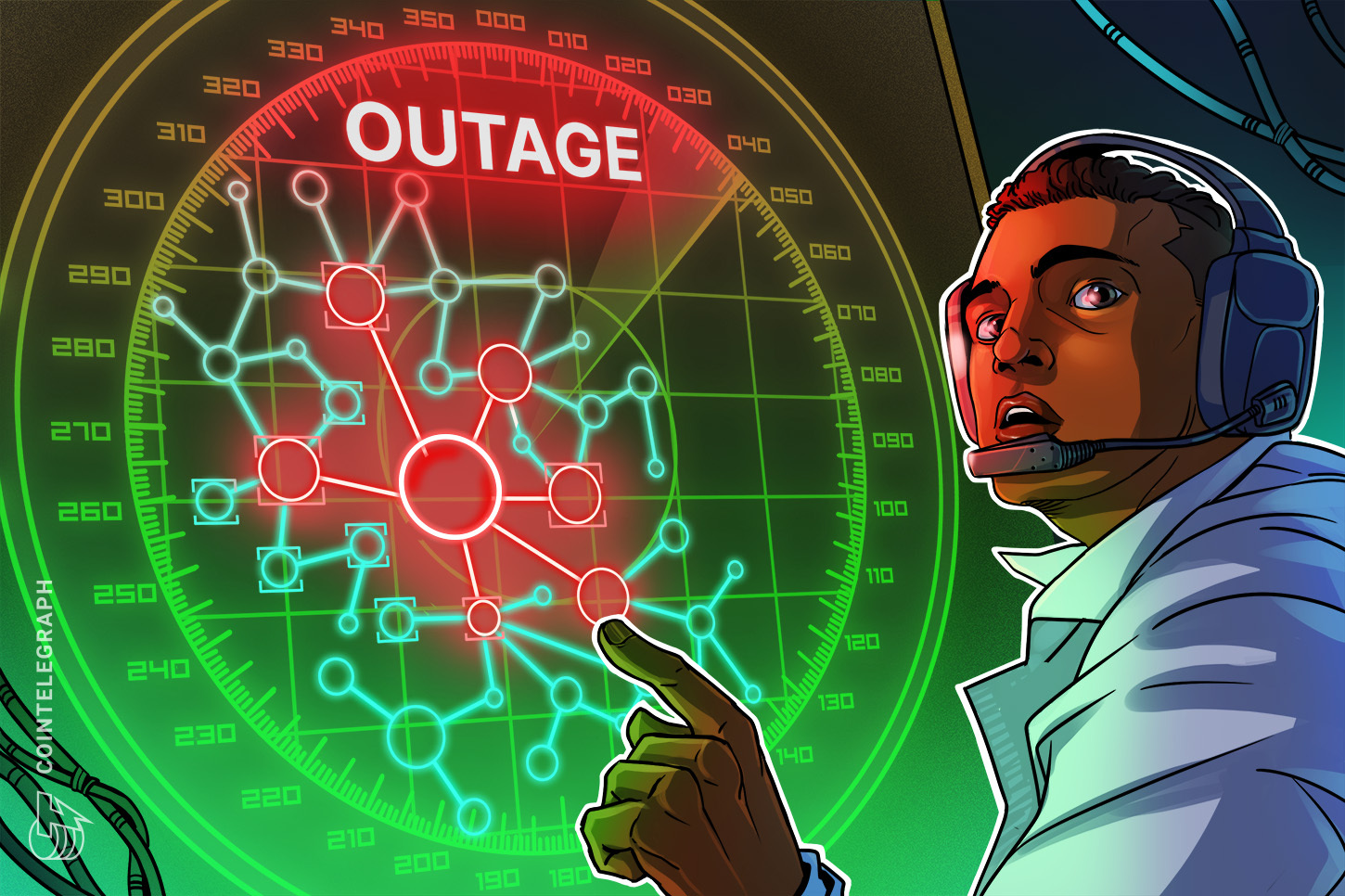
The burgeoning Layer 2 (L2) ecosystem, designed to scale Ethereum, recently faced a significant stress test with Coinbase's Base blockchain experiencing back-to-back outages. While initial reports highlighted network unavailability, the subsequent post-mortem has unearthed a critical sequencer bug – specifically, a "race condition" – as the root cause. This revelation not only provides crucial insights into the operational complexities of L2s but also ignites broader discussions about their resilience, decentralization, and the inherent trade-offs in their architecture.
Unpacking the 'Race Condition': The Core of Base's Instability
At the heart of Base's recent troubles lies a fundamental component of optimistic rollups: the sequencer. In a typical L2 setup, the sequencer is responsible for ordering transactions, bundling them, and submitting them to the Ethereum mainnet in a compressed format. This centralized role, while efficient, introduces a potential single point of failure. Base's post-mortem indicates that the first outage, though not fully detailed in the provided context, likely necessitated a system reset. It was during the recovery from this initial event that the critical "race condition" manifested.
A race condition occurs when the correct operation of a system depends on the sequence or timing of uncontrollable events, leading to unexpected and undesirable outcomes. In Base's case, after the system reset, the sequencers were in a race to catch up with the network's state. Crucially, the system's design failed to ensure that all sequencers could synchronize effectively or that the primary sequencer could establish a consistent state across the entire network before resuming operations. This desynchronization prevented the sequencers from reaching consensus or correctly processing new transactions, effectively stalling the network and causing the second, consecutive outage. It's akin to multiple engines trying to restart a complex machine, but without proper coordination, they just grind against each other, leading to a complete standstill.
The Ripple Effect: Impact on Users and Trust
The implications of these back-to-back outages are multi-faceted. For users and decentralized applications (dApps) built on Base, the experience was one of frustration and financial uncertainty. Transactions were halted, access to funds became temporarily impossible, and protocols reliant on continuous operation faced significant disruptions. While the L2 ultimately recovered, such incidents erode user trust, particularly for a chain backed by a major regulated entity like Coinbase, which carries a higher expectation of reliability and uptime.
Moreover, these outages serve as a stark reminder that even mature-looking L2s are still in relatively early stages of development and robustness testing. The perception of L2s as a seamless, high-throughput extension of Ethereum can be challenged when core infrastructure components fail, raising questions about the stability needed for mainstream adoption and institutional integration.
Centralization Concerns and the L2 Decentralization Roadmap
This incident also amplifies ongoing debates about sequencer centralization within the L2 ecosystem. While many L2s, including Base, have stated long-term goals for sequencer decentralization, the current reality for most is a centralized setup managed by a single entity or a small consortium. This central point is an attack vector and a single point of failure. Base's experience vividly illustrates this vulnerability, where a bug within the centralized sequencer mechanism could bring the entire chain to a halt.
The push for sequencer decentralization is not merely an ideological one; it's a critical engineering challenge aimed at enhancing resilience. Schemes involving multiple sequencers, rotating leadership, or even permissionless sequencing (though technically complex and potentially slower) are being explored. Base's incident underscores the urgency for these roadmaps to be accelerated and rigorously tested, moving beyond mere declarations to tangible, implemented solutions that can withstand real-world pressures.
Lessons Learned and the Path Forward for Base and Beyond
Base's transparent post-mortem is commendable, providing valuable data for the entire L2 industry. The key lesson is the critical importance of robust error handling, state synchronization, and restart procedures for centralized sequencers. Designing systems to gracefully recover from unexpected states, rather than descending into a race condition, is paramount.
For Base specifically, immediate fixes will likely involve enhancing their sequencer's restart logic, implementing more sophisticated consensus mechanisms among sequencer nodes (even if they are centrally managed), and improving internal monitoring to detect and mitigate race conditions before they escalate. Long-term, the incident strengthens the argument for accelerating its decentralization efforts, exploring redundancy, and potentially integrating features like 'escape hatches' for users during prolonged outages.
More broadly, this event serves as a call to action for the entire L2 ecosystem. It highlights the need for continuous rigorous testing, audit, and a proactive approach to identifying and addressing potential failure modes. As L2s become increasingly integral to the broader crypto landscape, their stability and resilience will be paramount to Ethereum's scaling success and the overall health of the decentralized finance (DeFi) space. Base's sequencer bug is a sobering reminder that while innovation is rapid, reliability remains the bedrock of trust in any financial or technological infrastructure.