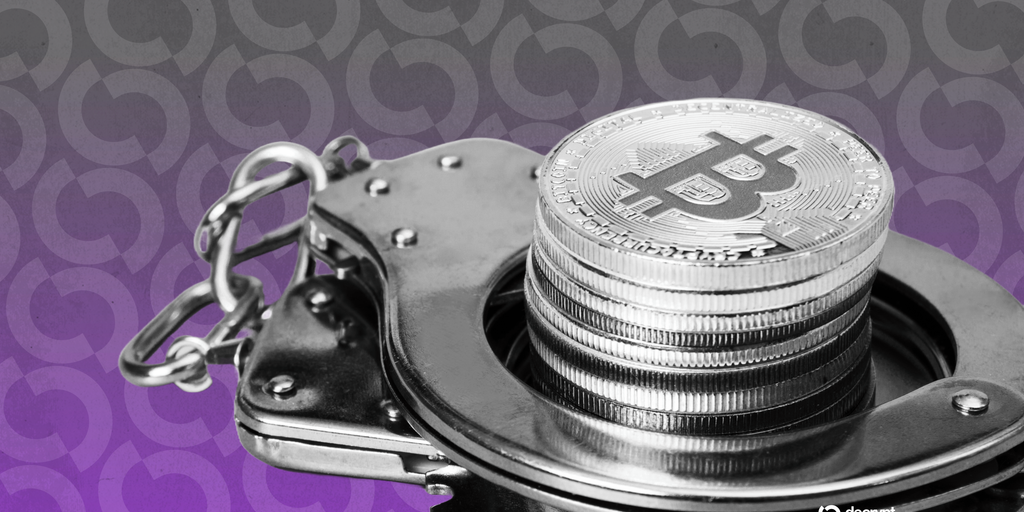
The Digital Frontier: A New Battleground for Justice
The recent news out of Australia, detailing the seizure of $4.2 million in Bitcoin from alleged darknet marketplace operators, marks another significant victory for law enforcement in the ongoing battle against illicit financial activities leveraging digital assets. This incident is not merely a headline about a large sum of money; it's a powerful signal to the cryptocurrency world, reinforcing the increasingly sophisticated capabilities of authorities to trace and apprehend individuals operating in the supposedly opaque corners of the internet. As a Senior Crypto Analyst, I view this as a pivotal moment that further chips away at the entrenched myth of complete anonymity in cryptocurrency transactions and underscores the evolving landscape of digital asset forensics.
The Operation: A Closer Look at the Seizure
Australian police have charged two men with money laundering and drug offenses following an investigation that culminated in the seizure of approximately $4.2 million in Bitcoin. The arrests are directly linked to alleged dealings on darknet marketplaces, platforms notorious for facilitating the trade of illegal goods and services, from narcotics to stolen data, often transacted using cryptocurrencies like Bitcoin due to their perceived privacy features. This operation demonstrates a coordinated and effective effort by Australian law enforcement, likely involving advanced intelligence gathering and the deployment of specialized blockchain analysis tools. The targeting of darknet operators, who rely heavily on crypto for their financial infrastructure, showcases a deliberate strategy to dismantle these illicit networks at their core.
Darknet Marketplaces and the Allure of Bitcoin
For years, darknet marketplaces have thrived by exploiting the technical characteristics of cryptocurrencies. Bitcoin, despite its public ledger, was initially perceived by many as an ideal medium for anonymous transactions due to the pseudonymity of wallet addresses. This perception fueled its adoption in illicit economies, allowing criminals to receive payments without direct links to traditional banking systems. The decentralized nature and global reach of Bitcoin also offered a way to bypass geographical restrictions and traditional financial surveillance. However, this early understanding of Bitcoin's anonymity was often misguided and has been consistently challenged by technological advancements and dedicated law enforcement efforts. The public, and indeed some participants in the crypto space, often conflated pseudonymity with true anonymity, overlooking the permanent and immutable record of transactions on the blockchain.
The Rise of Blockchain Forensics and Law Enforcement Sophistication
The successful seizure in Australia is a testament to the rapid evolution of blockchain forensics and law enforcement’s increasing proficiency in this domain. Gone are the days when a simple Bitcoin transaction could be considered untraceable. Companies specializing in blockchain analytics now provide sophisticated tools that can map transaction flows, identify clusters of addresses belonging to the same entity, and even link pseudonymous crypto wallets to real-world identities. Techniques such as chain analysis, deanonymization methods, and collaboration with exchanges (even those thought to be privacy-centric) are empowering authorities. This incident serves as a stark reminder that while the blockchain itself does not reveal personal identity, the patterns of usage, deposits to KYC-compliant exchanges, and operational security failures often provide sufficient breadcrumbs for investigators to follow. The cost of maintaining true anonymity on the darknet has become astronomically high, often requiring sophisticated mixing services and stringent operational discipline that few manage consistently.
Implications for the Broader Cryptocurrency Ecosystem
This seizure carries significant implications beyond the immediate apprehension of alleged criminals. Firstly, it adds further weight to ongoing calls for stricter cryptocurrency regulation worldwide. Each high-profile bust involving illicit crypto use provides ammunition for policymakers pushing for enhanced KYC/AML (Know Your Customer/Anti-Money Laundering) requirements and greater oversight of digital asset service providers. Secondly, it contributes to shaping public perception. While the crypto community often champions the technology's legitimate innovations, incidents like this can reinforce negative stereotypes, associating cryptocurrencies with criminal activities in the eyes of the mainstream public and traditional financial institutions. This perception hurdle is crucial for broader adoption and integration into the global financial system. Finally, it serves as a crucial educational point: the myth of absolute anonymity in crypto is indeed shattering. While privacy-enhancing technologies continue to evolve, the default state of many cryptocurrencies, especially Bitcoin, is far from anonymous, making illicit use increasingly risky.
A Global Trend: The Expanding Reach of Justice
The Australian operation is not an isolated event but part of a discernible global trend. From the FBI's recovery of Bitcoin from the Colonial Pipeline ransomware attackers to various European agencies dismantling crypto-funded criminal enterprises, law enforcement worldwide is demonstrating its capability to penetrate the digital curtain. International cooperation among police forces, intelligence agencies, and cybersecurity experts is also playing an increasingly vital role. This interconnected effort means that even if an operator attempts to move funds across borders or utilize services in different jurisdictions, the likelihood of detection and seizure is growing. The financial industry is being forced to adapt, with banks and payment processors enhancing their crypto risk assessment frameworks.
Conclusion: The Evolving Landscape of Digital Justice
The seizure of $4.2 million in Bitcoin from alleged darknet marketplace operators in Australia is a powerful affirmation of law enforcement's evolving prowess in the digital age. It underscores that the perceived anonymity of cryptocurrencies, particularly Bitcoin, is largely a myth in the face of advanced forensic tools and dedicated investigators. For the legitimate cryptocurrency industry, these events, while highlighting misuse, also paradoxically strengthen the ecosystem by demonstrating that the technology is not an insurmountable haven for criminals. As blockchain technology continues to mature, so too will the methods to combat its illicit exploitation. The message is clear: those who believe the darknet and cryptocurrency transactions offer an impenetrable shield from justice are increasingly mistaken. The digital frontier is rapidly becoming a domain where the long arm of the law can, and will, reach.