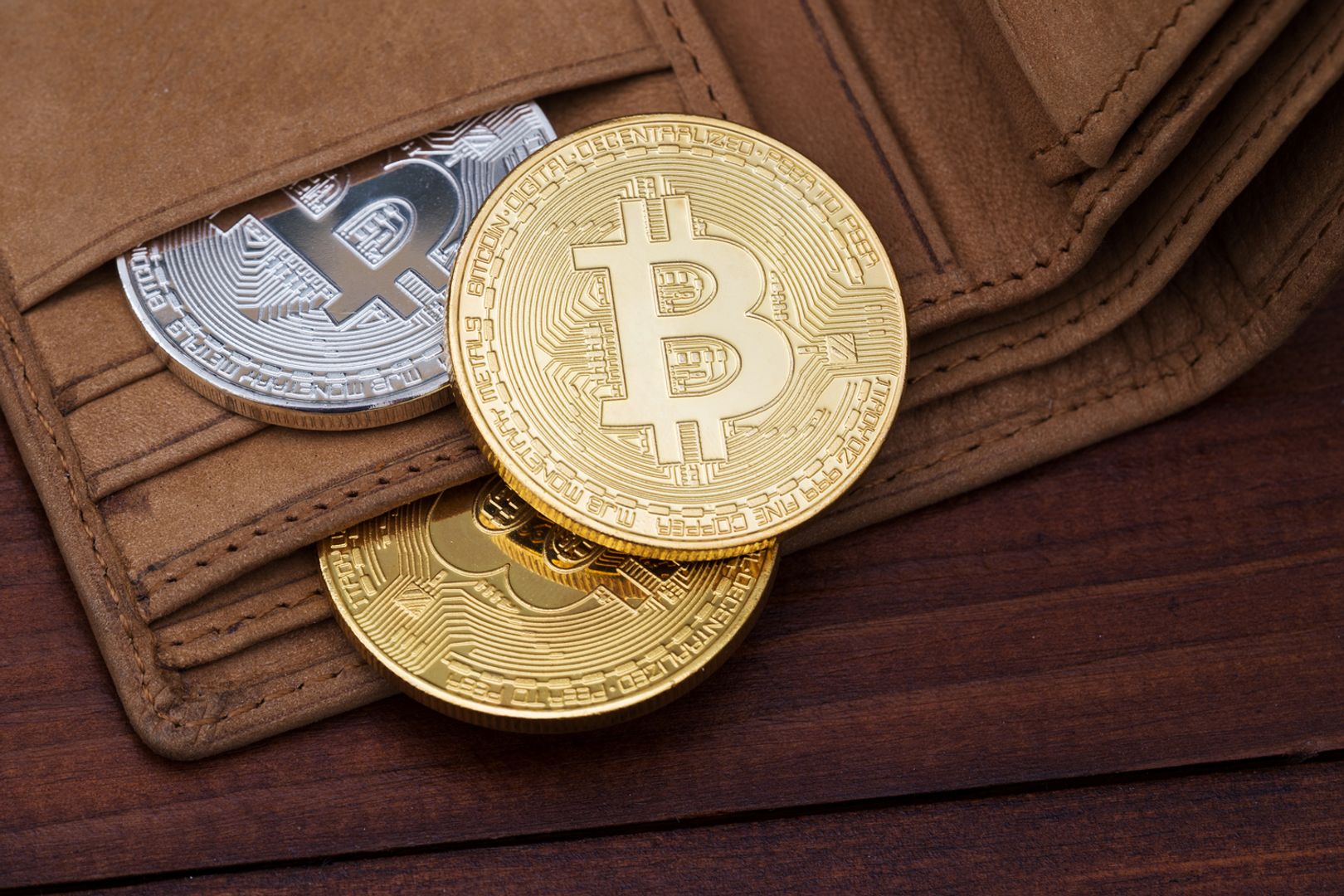
The Awakening of Bitcoin's Ancients: $40 Million Shifts from Decade-Old Wallets
In a fascinating turn of events that has captured the attention of on-chain analysts and market observers alike, six Bitcoin wallets, dormant for an entire decade, collectively moved approximately $40 million worth of BTC this month. What makes this activity particularly intriguing is not just the sheer age of these holdings, but the reported preference of these funds to largely avoid centralized exchanges, opting instead for private transfers. This high-profile movement stands in stark contrast to broader market data from Galaxy, which indicates dormant coin activity is at its lowest point since 2022, with 2026 projected to record less than half of last year's total. As a Senior Crypto Analyst, this paradox presents a rich tapestry of possibilities and requires a nuanced examination to understand its true implications for the market and the behavior of long-term holders.
Unpacking the "Why Now?" - The Significance of a Decade of Dormancy
The movement of Bitcoin held for ten years is a rare and significant event. These are coins that likely belong to early adopters, perhaps even pre-2014 miners or investors who acquired their holdings when Bitcoin’s value was a mere fraction of today’s price. To put it into perspective, a Bitcoin acquired in 2013-2014 might have cost anywhere from tens to a few hundred dollars. The decision to move such a substantial sum after a decade of complete inactivity prompts several critical questions. Is this pure profit-taking? Is it a strategic rebalancing of portfolios? Or does it signify something deeper about the confidence (or lack thereof) among some of Bitcoin's earliest whales?
The prevailing bull market sentiment, fueled by spot ETF approvals and the impending halving event, certainly provides a lucrative backdrop for selling. However, the fact that most of these funds avoided exchanges is a crucial detail. This suggests that the intention might not be immediate liquidation into fiat or other cryptocurrencies via conventional trading platforms. Instead, it could point towards over-the-counter (OTC) deals, transfers to new cold storage solutions, consolidation of holdings, or even inheritance distribution. The desire for privacy and avoidance of direct market impact through CEXs speaks volumes about the strategic nature of these early movers.
A Tale of Two Trends: Isolated Whale Movements vs. Widespread Dormancy
The headline-grabbing $40 million movement, while individually significant, must be contextualized within the broader on-chain landscape. Galaxy's data presents a compelling narrative: dormant coin activity, a key indicator of long-term holder sentiment and potential selling pressure, is at multi-year lows. This metric tracks the movement of coins that have remained untouched for an extended period, often indicating a shift from long-term holding to active circulation (and often, selling). The current subdued level suggests that the vast majority of Bitcoin’s long-term holders – the "HODLers" – are resolutely holding onto their assets, indicating strong conviction and a belief in future price appreciation.
Furthermore, the projection that 2026 will see less than half of last year's dormant coin movement is a powerful signal. It implies a tightening supply side, where fewer coins are re-entering active circulation, potentially setting the stage for significant price discovery as demand continues to grow, particularly from institutional channels. This broad trend underscores a market where supply is being increasingly absorbed by patient hands, rather than being offloaded by early investors cashing out.
Reconciling the Paradox: Micro-Events in a Macro Environment
How do we reconcile these seemingly contradictory narratives? The answer likely lies in distinguishing between isolated, albeit impactful, micro-events and overarching macro trends. The $40 million movement from six wallets, while substantial in value and age, represents a tiny fraction of Bitcoin's total circulating supply and overall daily trading volume. It's plausible that these are unique cases: perhaps individuals who recently recovered lost keys, or estates being settled, or even a highly strategic private transaction unrelated to broader market sentiment.
The fact that these funds largely bypassed exchanges supports the idea that these are not panic sells or even opportunistic profit-taking aimed at immediately cashing out into the public market. Instead, it aligns with a pattern of sophisticated players making private, strategic shifts. Such moves do not exert immediate selling pressure on exchange order books, thereby keeping the broader dormant coin activity metrics low. In essence, these ancient wallets might be moving their treasure chests to a different vault, rather than emptying them into the public square.
Implications for Market Sentiment and Future Outlook
From a market sentiment perspective, while such movements can initially trigger curiosity and sometimes concern, their limited scope and method of transfer suggest they are unlikely to fundamentally alter the bullish outlook driven by institutional adoption and supply-side dynamics. The overwhelming signal from on-chain data continues to be one of strong holder conviction and decreasing liquidity, as long-term investors accumulate and hold.
The behavior of these ancient whales reinforces the narrative of Bitcoin as a long-term store of value, where assets can remain untouched for years, only to be moved with careful consideration. It also highlights the growing sophistication of the market, where large, private transactions are common, often facilitated by OTC desks to minimize slippage and maintain privacy. For investors, the key takeaway remains the broader trend: deep dormancy among the vast majority of early adopters indicates a robust and maturing ecosystem, where strategic and patient holding continues to be the dominant strategy. While we should always monitor "whale watch" activities, these specific movements appear to be more about individual strategy than a signal of a broader shift in long-term holder behavior.
In conclusion, the awakening of these decade-old Bitcoin wallets serves as a fascinating anomaly within a market otherwise characterized by unprecedented long-term holder conviction. While the $40 million transfer provides a captivating glimpse into the strategic maneuvers of early Bitcoin adopters, it does not, at this juncture, overshadow the powerful bullish implications of record-low dormant coin activity. Bitcoin’s journey continues to unfold with its unique blend of transparency and mystery, demanding continuous, nuanced analysis from those seeking to understand its intricate dance.