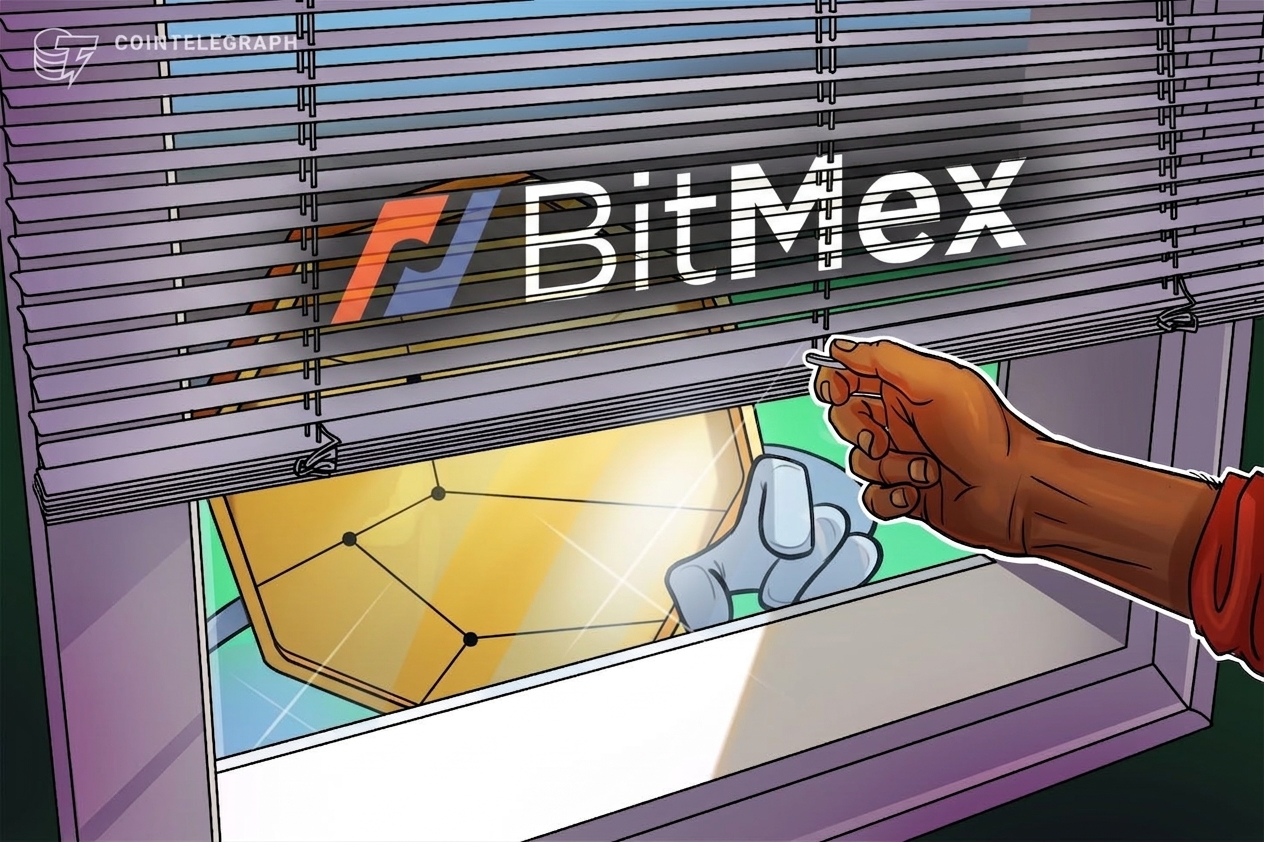
An Era Ends: BitMEX, the Original Crypto Derivatives Titan, Announces 2026 Shutdown
In a development that signals the maturation and evolving landscape of the cryptocurrency industry, BitMEX, once the undisputed titan of crypto derivatives, has announced its decision to cease operations. Owner HDR Global Trading Limited confirmed that the exchange will shut down completely on September 23, 2026, marking the end of an 11-year journey that profoundly shaped how traders interact with digital assets. For many OGs in the crypto space, this news is more than just an exchange closing; it's the closing of a significant chapter in crypto history.
The Rise and Reign of a Pioneer
Launched in 2014 by Arthur Hayes, Ben Delo, and Samuel Reed, BitMEX quickly rose to prominence by pioneering the perpetual swap contract – an innovation that allowed traders to speculate on cryptocurrency prices without an expiry date, closely mimicking traditional forex markets. This product, coupled with its generous leverage options (up to 100x), attracted a massive user base and cemented its status as the go-to platform for high-stakes crypto derivatives trading. BitMEX became synonymous with the 'Wild West' era of crypto, a high-octane environment where fortunes were made and lost in the blink of an eye. Its liquidity, robust matching engine, and early mover advantage made it an indispensable tool for many professional traders, setting benchmarks for the derivatives market.
For years, BitMEX dominated the landscape, its open interest and trading volumes often dwarfing those of its nascent competitors. It was a period of rapid innovation, where the lines between traditional finance and the nascent digital economy blurred. The platform fostered a new breed of crypto trader, accustomed to volatility and the exhilarating pace of a 24/7 global market. However, the very characteristics that defined its early success would ultimately contribute to its challenges.
A Confluence of Factors: Regulatory Pressure, Competition, and Market Maturation
The decision to shut down, while seemingly sudden, is the culmination of several years of mounting pressures, which from an analyst's perspective, paint a clear picture of the industry's progression.
The Regulatory Hammer
Perhaps the most significant factor in BitMEX's eventual demise was the escalating regulatory scrutiny. Operating largely unregulated in its early years, BitMEX's 'move fast and break things' ethos eventually clashed with global financial authorities. In 2020, the U.S. Commodity Futures Trading Commission (CFTC) filed charges against BitMEX for operating an unregistered trading platform and violating anti-money laundering (AML) regulations. This was followed by indictments from the Department of Justice against its founders for similar violations. While the founders eventually settled, including Arthur Hayes paying a $10 million civil penalty, these legal battles inflicted immense damage on the exchange's reputation, financial resources, and operational freedom. The need to implement stringent Know Your Customer (KYC) and AML procedures, while necessary for compliance, also alienated a segment of its early user base who valued anonymity.
Intense Competitive Landscape
While BitMEX grappled with legal challenges, the derivatives market evolved rapidly. New entrants like Binance Futures, Bybit, OKX, and even regulated offerings from CME Group and Bakkt emerged. These platforms often offered similar products, sometimes with lower fees, more user-friendly interfaces, and, critically, clearer regulatory standing in various jurisdictions. BitMEX's market share, once paramount, steadily eroded as traders migrated to alternatives perceived as more stable, compliant, or simply more innovative in their user experience. The fight for liquidity became fierce, and BitMEX, hobbled by its legal woes and the immense costs of compliance, found it increasingly difficult to compete effectively.
Evolving Market Dynamics and HDR's Strategic Shift
The entire crypto ecosystem has matured significantly since 2014. Institutional investors are now a driving force, demanding robust regulatory frameworks, transparent operations, and secure custody solutions. The wild west has given way to a more structured, albeit still volatile, financial landscape. For HDR Global Trading Limited, the parent company, the decision to shut down likely reflects a strategic reassessment. The continuous investment required to maintain competitiveness in a highly regulated and intensely competitive environment, coupled with the legacy of past regulatory issues, may no longer align with their long-term vision or desired risk profile. It’s possible HDR Global sees more viable opportunities elsewhere, or simply wishes to exit a business model that has become increasingly complex and costly to operate.
Implications for the Market and BitMEX's Legacy
While BitMEX's direct impact on current market liquidity is likely to be minimal given its diminished market share, its symbolic importance cannot be overstated. The closure of BitMEX is a definitive marker of the industry's journey from its libertarian, unregulated roots to a more integrated, compliant, and institutional-friendly future. It highlights the inevitable tension between innovation and regulation, and the ultimate necessity for platforms to adapt or perish.
For its remaining users, the long runway until September 2026 offers ample time to migrate assets and positions to other platforms. This gradual wind-down is a responsible approach that minimizes potential market disruption and gives users certainty. BitMEX's legacy, however, will endure. It pioneered financial instruments that are now standard across the industry, demonstrated the power of decentralized finance before the term existed, and pushed the boundaries of what was possible in crypto trading. It was a crucible for countless traders and a testament to the raw potential of crypto finance.
Conclusion: A New Chapter for Crypto Derivatives
The curtain call for BitMEX is a poignant moment, signifying the end of an era defined by audacious innovation and rapid growth, often preceding regulatory clarity. It's a powerful reminder that in the fast-paced world of cryptocurrency, even giants must continually adapt to survive. As the industry moves forward, the focus will undoubtedly remain on platforms that can balance cutting-edge financial products with robust compliance, security, and a commitment to evolving regulatory standards. BitMEX’s departure clears the path for a new generation of derivatives platforms, built on the foundations laid by pioneers, but operating within the clearer, albeit stricter, confines of a maturing global financial system. The spirit of innovation, however, will undoubtedly continue to thrive, albeit in a more regulated and structured environment.