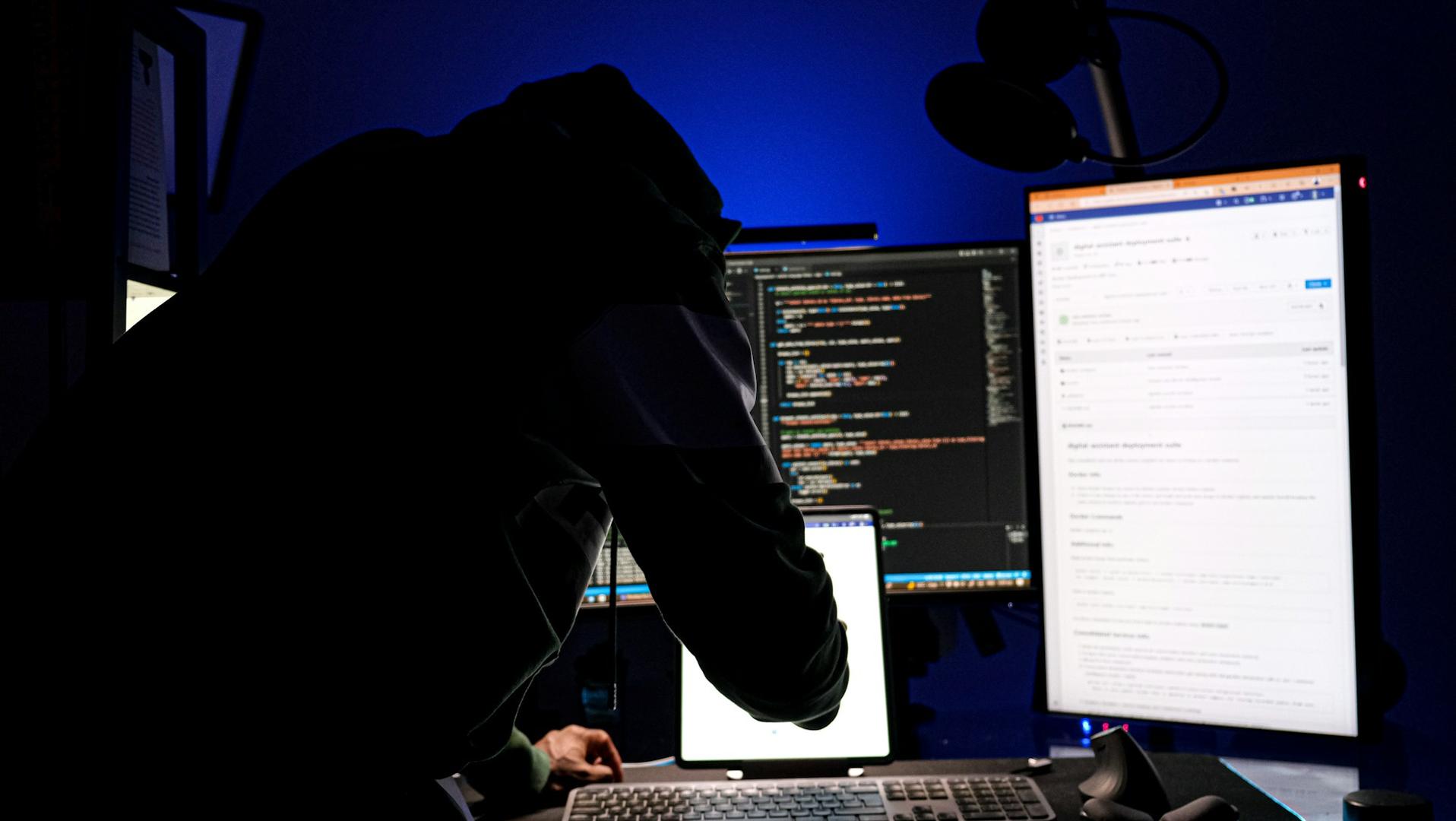
The burgeoning world of decentralized finance (DeFi), NFTs, and blockchain technology has long grappled with a significant paradox: its promise of trustless systems often coexists with a stark reality of persistent security vulnerabilities. Multi-million dollar exploits, rug pulls, and sophisticated hacks have become an all too frequent headline, highlighting the immense costs—financial, reputational, and systemic—associated with inadequate security. For years, the gold standard for blockchain security involved exhaustive, expensive, and often slow manual code audits by highly specialized experts. However, a profound shift is now underway, propelled by the rapid advancements in Artificial Intelligence. AI is not just augmenting existing security practices; it is fundamentally reshaping what the crypto industry considers "reasonable due diligence" before a single line of code goes live.
The Evolving Battlefield: Crypto Security Challenges
The inherent complexity of smart contracts, the immutable nature of blockchain transactions, and the constant evolution of attack vectors present a unique set of challenges. Traditional manual audits, while thorough, are bottlenecked by human limitations: they are time-consuming, costly, and can sometimes miss subtle vulnerabilities embedded within thousands of lines of code. This bottleneck has often forced projects, particularly smaller ones, to compromise on security depth, leading to a higher risk profile for the entire ecosystem. The sheer volume of new projects and protocols entering the space daily further exacerbates this issue, creating an environment ripe for exploitation.
AI as the Force Multiplier: Cheaper, Faster, Smarter
This is where AI steps in as a game-changer. AI-powered security tools are rapidly maturing, offering capabilities that were once unimaginable or prohibitively expensive. These tools can perform a myriad of functions with unprecedented efficiency:
- Automated Code Audits: AI algorithms can quickly scan smart contracts for known vulnerabilities (e.g., reentrancy, integer overflows, access control issues) and identify potential logic errors far faster than human auditors. This drastically reduces initial audit time and cost, allowing human experts to focus on more complex, nuanced issues.
- Anomaly Detection: By continuously monitoring blockchain transactions and network activity, AI can detect unusual patterns that might indicate a hack, a fraudulent scheme, or unusual market manipulation in real-time.
- Threat Intelligence & Prediction: AI can analyze vast datasets from various sources – exploit databases, social media, dark web forums – to identify emerging threats, predict potential attack vectors, and provide proactive intelligence.
- Vulnerability Scanning & Fuzzing: AI can intelligently "fuzz" smart contracts by feeding them malformed or unexpected inputs to uncover edge-case vulnerabilities.
The implications of this enhanced efficiency are profound. Projects can now undertake more frequent and comprehensive security checks throughout their development lifecycle, not just at the final stage. This iterative, continuous security model significantly reduces the window of vulnerability, accelerating deployment and improving response times.
Democratizing Security: Cheaper and More Accessible
One of AI's most significant impacts is its potential to democratize access to high-quality security. What was once the exclusive domain of well-funded enterprises can now be within reach for smaller development teams and independent builders. As AI tools become more refined and user-friendly, the cost barrier to robust security significantly decreases. This "cheaper" aspect is critical for fostering innovation and reducing systemic risk across the entire decentralized landscape, enabling more projects to launch with a foundational layer of security previously unattainable. The speed derived from AI's real-time processing also means quicker development cycles and more agile incident response, as threats can be identified and addressed in minutes.
Establishing a New Standard: Harder to Ignore
Perhaps the most transformative outcome is that AI-powered security is becoming "harder to ignore." The availability of these powerful, affordable, and fast tools is fundamentally raising the bar for what constitutes "reasonable due diligence." In an increasingly regulated and litigation-prone environment, projects that fail to leverage readily available AI security solutions might soon be viewed as negligent. This could establish a new de facto industry standard, where integrating AI into the security pipeline is not merely an option but a strategic imperative.
This shift will inevitably alter expectations for developers, requiring them to integrate AI-driven security checks into their CI/CD pipelines. For institutions looking to enter the crypto space, the presence of AI-augmented security frameworks will provide an added layer of assurance, helping to build trust and mitigate risk, thereby accelerating institutional adoption.
The Nuances and the Human Element
It’s crucial to acknowledge that AI is not a panacea. While incredibly powerful, AI models are still susceptible to false positives or negatives, and can be fooled by highly novel or adversarial attacks. The most sophisticated vulnerabilities, especially those involving complex economic exploits or intricate protocol interactions, still require the nuanced understanding and creative problem-solving skills of experienced human security researchers. AI should be viewed as a powerful co-pilot, augmenting human intelligence rather than replacing it.
The continuous arms race between attackers and defenders means that AI models themselves must constantly evolve, learning from new exploits and attack patterns. Furthermore, the ethical implications of AI in security, including data privacy and potential for misuse, will require careful consideration as these technologies become more pervasive.
Conclusion: The Dawn of Proactive Crypto Security
The integration of AI into crypto security marks a pivotal moment for the industry. By making security cheaper, faster, and an undeniable expectation, AI is not just protecting assets; it is fostering a more resilient, trustworthy, and ultimately sustainable blockchain ecosystem. As a Senior Crypto Analyst, I view this trend as an essential catalyst for mainstream adoption and institutional confidence. The era of purely reactive security is fading; AI is ushering in a new dawn of proactive, intelligent, and omnipresent protection, making robust security an accessible reality for the entire decentralized world.